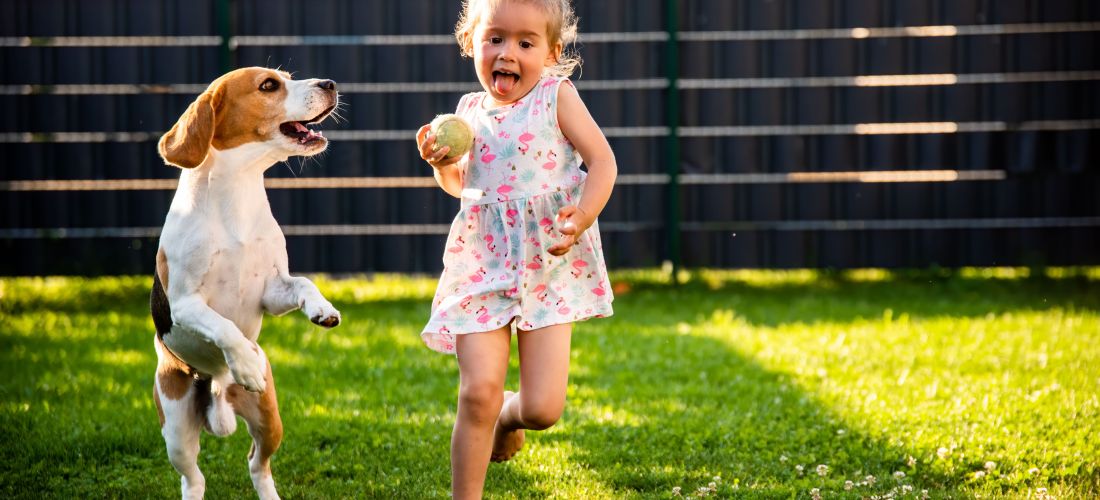
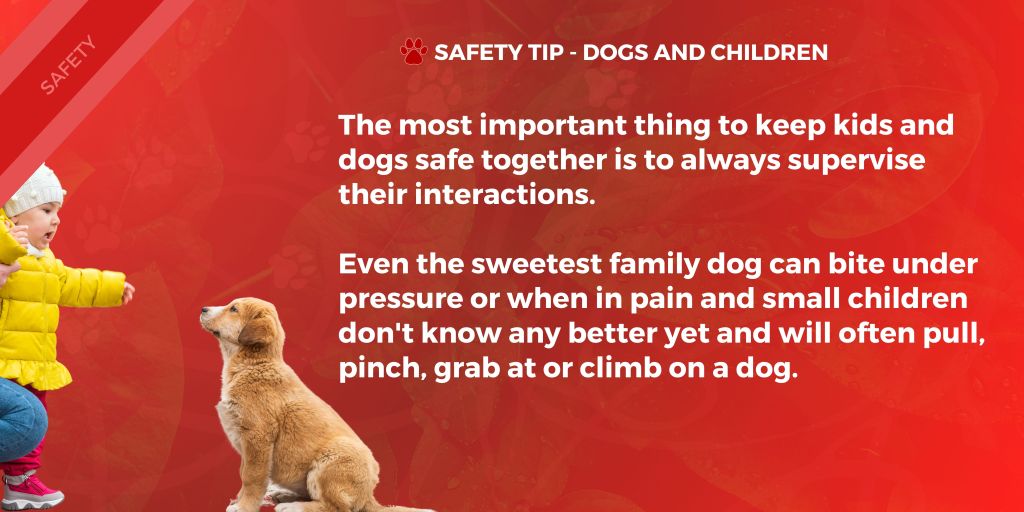
I’ve decided to make my three-part article about dogs and children available for free. This subject is near and dear to my heart as well as just being extremely important information. Most dog bites to children happen to the face and can be traumatizing, disfiguring or even fatal. If both dogs and children are taught from a young age how to safely and respectfully interact they can build a beautiful friendship together.
[ PART ONE ] [ PART TWO ] [ PART THREE ] [ PART FOUR ]
You want to make sure that the games your child and dog play together are respectful and not too rough for either participant. Puppies and very small children will struggle the most with this so I advise waiting until everyone is old enough and have enough self control to safely interact with each other during times of heightened emotions (during play).
ALL GAMES PLAYED BETWEEN YOUNG CHILDREN AND DOGS SHOULD BE SUPERVISED.
Of course, anyone can play these games with the family dog!
Hide and Seek
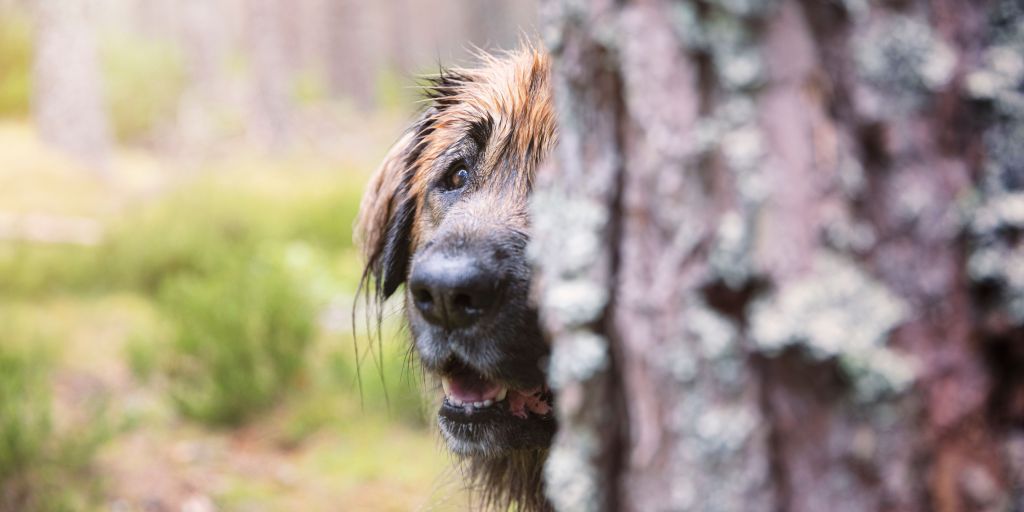
Hide and seek is a really fun game to play because it teaches your dog to find your child, which is an impressive trick and you never know if it may one day be an important skill for your dog to have.
Give your child some treats and tell them to go hide while you hold the dog. Not too hard of a hiding spot, somewhere low enough that the dog can find them and see them once close enough. Not in a cupboard, but maybe behind a door (open enough it’s easy for the dog).
Once your child is hiding and ready, tell your dog “go find __(child’s name)___”. Go with your dog while they search for the child. If your dog seems to lose interest or is unsure of what to do, have your child call out the dog’s name once. This should renew their interest in the game. If you need to help your dog find your child, that’s okay, they’re just learning what the rules of the game are. Once found, have your child give the dog the treats and lots of love and praise, once they find them. If your dog seems to really be struggling to understand the game, have your child leave a trail of treats or kibble.
As they get better at the game you will have to be involved less. Eventually it’s a game they will be able to play on their own.
You can add in your dog hiding, but it’s a lot harder to teach. You will need to be involved to help your dog go find a hiding spot and then tell them to stay until your child finds them. It’s a lot of fun and adds a great challenge to the Stay command.
Chase
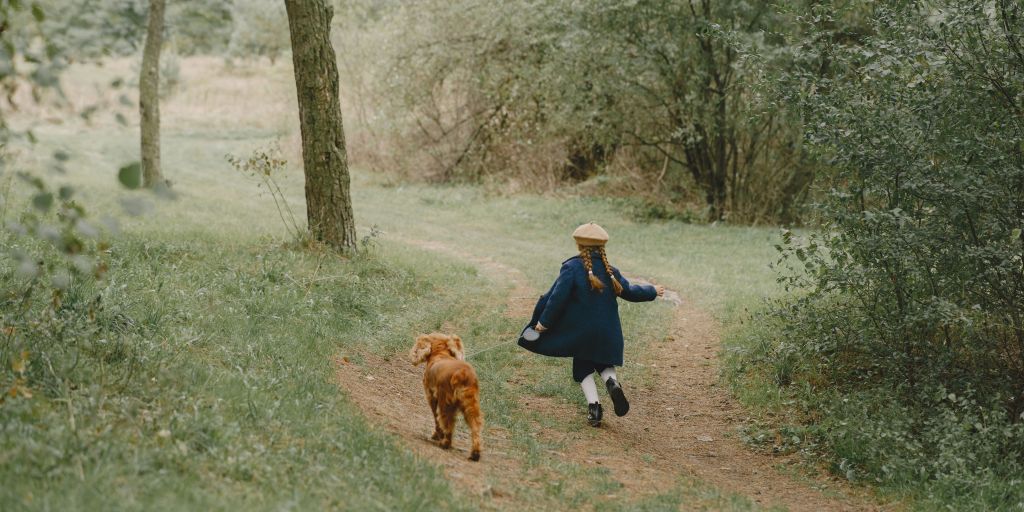
Chase isn’t a game I recommend for small children or most dogs who will get over excited. Dogs with a calm disposition (and likewise for children) will be able to enjoy this game. If you have a mouthy dog, have them hold a toy during the chase game. This game is not recommended for exuberant/ excitable dogs.
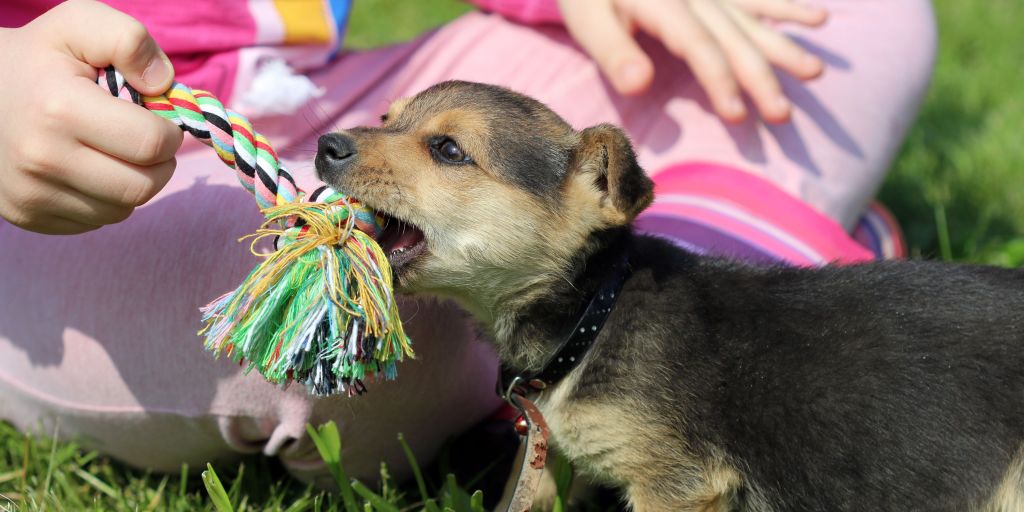
Tug o’ War
Tug o’ War is another game not recommended for dogs or children who are easily excitable. It’s a game for older children. The goal is to make sure your child is winning most of the games. You can teach your dog to drop it/let go of the toy on command to help your child gain the upper hand. If your dog heavily outweighs your child, even if they are calm and interact peacefully you will want to be right there to regulate the game. Your dog should have a strong “drop it” and “leave it” command, and must listen to the child to play this game.
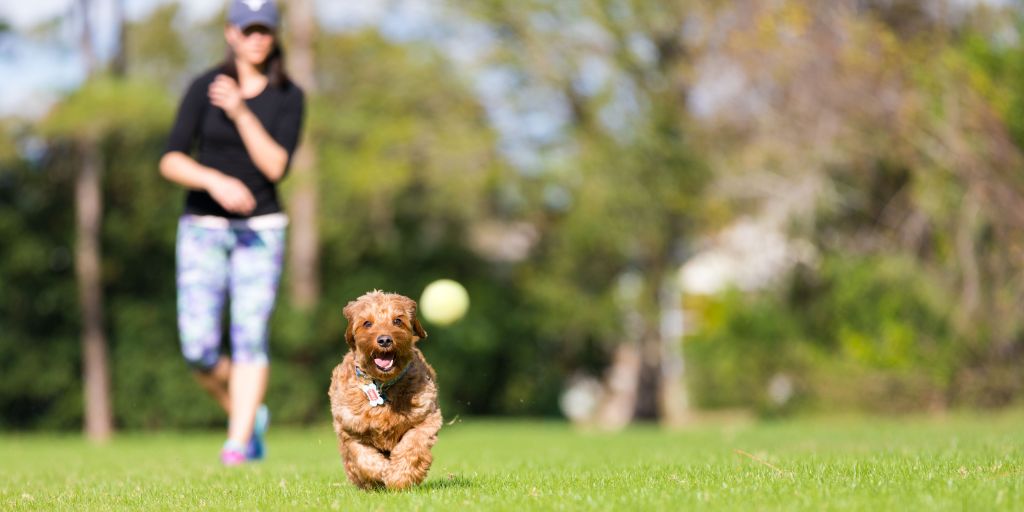
Fetch
Fetch is a fun traditional dog game that anyone can play. It’s a great way to teach kids to throw and dogs to be patient with children. When a child is very young keep the game simple. You are the one to give the dog commands such as sit, down, stay, drop it and leave it. While your dog is in a stay, give the child the ball and tell them to throw it. They won’t be able to throw it far, but it will still be fun for your dog. Here’s the tricky part: have your dog stay until a cue word is given to release them.
Stay. Throw the ball. Give the cue word such as “get it”. The reason why we make the dog wait is to give the child a chance to get out of the way and the dog a moment to collect themselves and look before they immediately run after the ball.
With older children, of course they can be the ones to give the dog commands and they can throw the ball further. They also know to stay out of the path of the dog better than a toddler does. You can get a chuck-it or similar ball throwing arm to help a child throw the ball further for the dog. It’s still important to continue to expect the dog to wait for a cue before chasing the ball. Make sure the child knows not to tease the dog by taking a long time to release them. It should only be a moment before they are released after the ball. There should never be teasing.
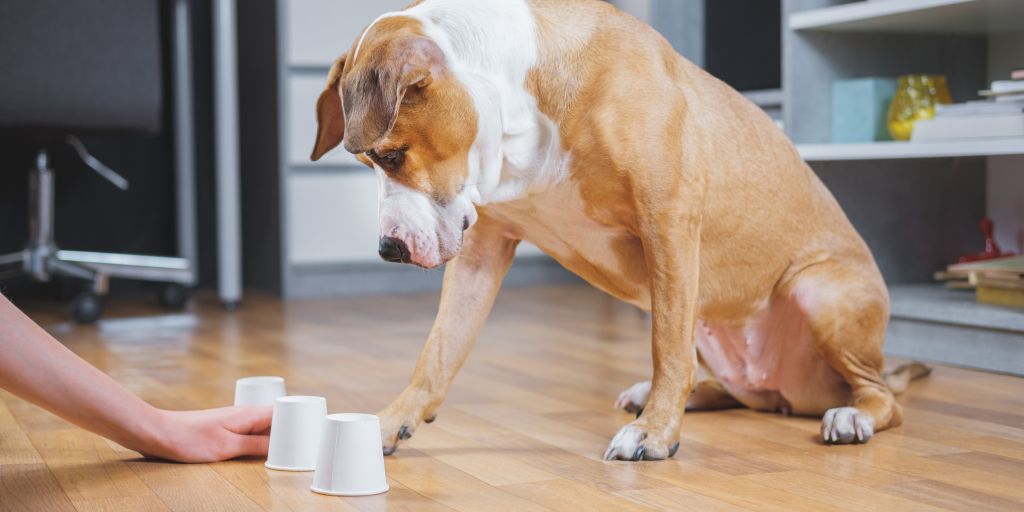
Cup Game
An older child can play the traditional cup game with their dog! Instead of using a ball or walnut use a piece of food or a treat. Have your dog sit and stay in front of a small table with 3 cups on it. Place the food under one cup and mix the cups up. Ask your dog to find the treat. They should be able to find the treat with their nose very easily. If they don’t, use a more smelly reward. Something high-value like a small piece of cheese or dried meat.
If the dog doesn’t understand what to do right away, take a step backward and try without the cups first. Put a piece of food on the table and tell the dog to find it. When they get it praise (no need for an extra treat, just verbal and physical praise will do). It shouldn’t take them long to grasp the concept and you can try again with the cups. You can also try giving your dog a peak under the cup to better smell and see the treat. Most dogs will figure out the game quite quickly once they realize there’s treats under the cup.
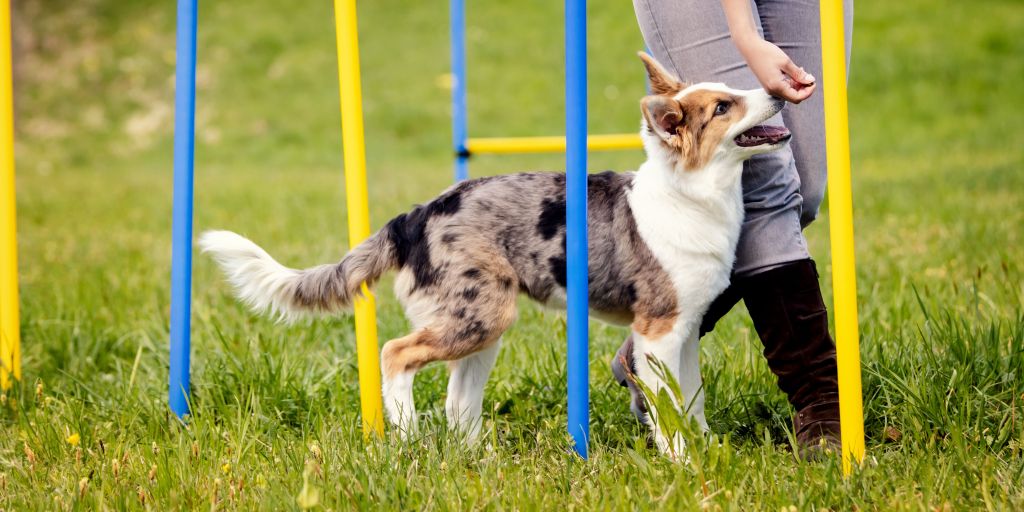
Dog Sports
Dog spots such as Dog Agility, Flyball or Dock Diving can be a lot of fun for both handler and dog. Most dog spots require some sort of monetary investment as well as an investment in time and may require some traveling, if you plan to compete. Dog sports are a great option for older kids who aren’t interested in school sports or other activities but love to spend time with their dog.
Check locally for any clubs for Dog Agility or other dog sports. If you can find a club to join you won’t need to make or buy your own equipment and your child can learn about the sport through the club. If there are no nearby clubs, you can still self-learn most dog sports at home.
Competitive obedience doesn’t require a lot of investment in equipment. Most breed clubs or conformation clubs will be a good place to start if you’re looking for obedience competitions.
 Shara Walsh