Jump to: [ Condition to Touch ] [Boundary Training ] [ Door Dashing ] [ Go to Place ]
A note on “corrections”: A “correction” is a way to teach a dog that what they’ve done is wrong and not the behavior your requested. A correction may mean different things to different people, based on your training methods. It may involve a training collar (e-collar, prong collar, check chain, etc) or it may involve a firm “NO” followed by showing the dog the correct behavior and giving them an opportunity to try again.
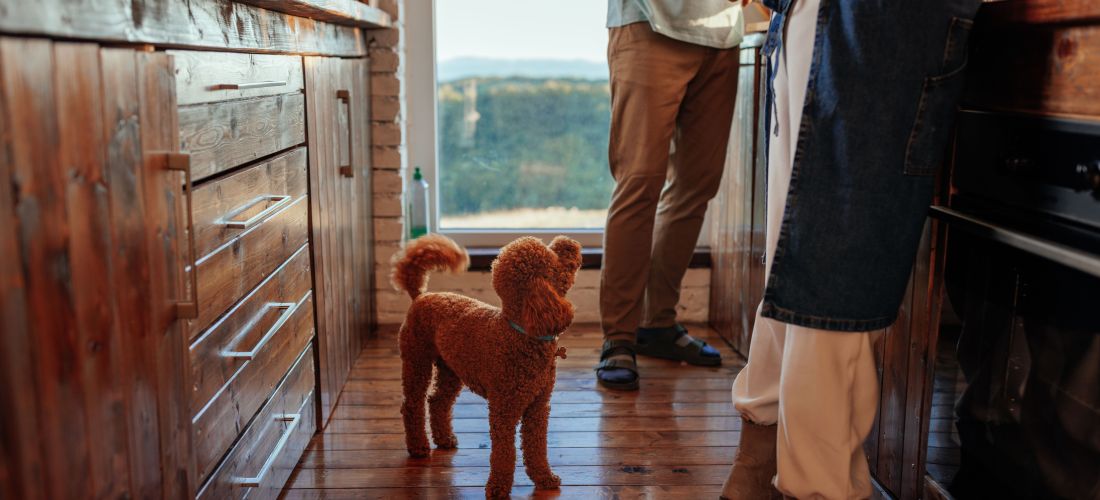
I often tell my clients to make sure they are practicing their training around the house in “real life” scenarios. When you’re eating breakfast, have your dog down/stay in their bed. When your brewing your coffee or tea take a couple of minutes to practice a few commands in the kitchen. When you are leaving the house have your dog sit and wait before going through the front door. When you head out to water your flowers or take your garbage out bring your dog with you and work with their boundary training and recall (make sure you work at their level of training; use a long line if you need to).
If you get creative, there are lots of ways to incorporate training into your day-to-day life with your dog. It doesn’t have to be an hour dedicated to training every day or even every week. 5-minute training sessions once or twice a day will have a huge impact on your dog.
How else is the dog supposed to learn how to act under these conditions? In order to perform how I want her to under regular every-day conditions I need her to learn it in those conditions.
Here are a few examples of every day life training situations. This is not a step-by-step how-to post, but rather a detailed explanation of the type of training I’m talking about. If you’re looking for step-by-step instructions please feel free to send me a message and set up a consultation for a training session.
Condition Them to Touch
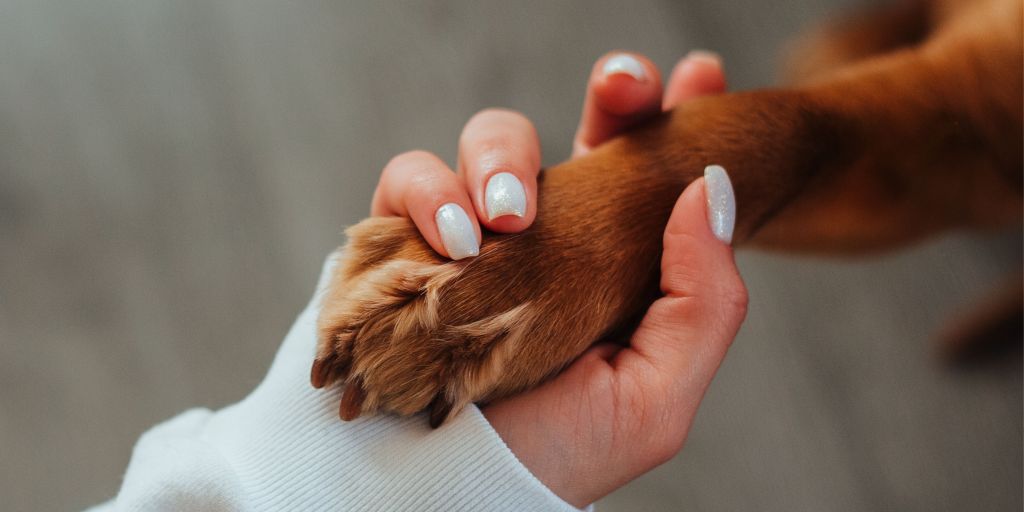
All dogs should be conditioned to touch so that they are not overwhelmed by it for basic care such as grooming and vet care. You can do this when you’re sitting at home watching TV. Put your dog in front of you and condition them to hands touching all over their body. Focus on touching their ears, mouth, paws, legs and tail. You can make a positive association by making a relaxing time of it and rewarding with treats.
If your dog will need to be on a grooming table, prop them up on a table at home and make positive associations for your dog in this scary situation. Some dogs feel really uneasy their first time up on a table. Make them feel more comfortable by getting them used to it through multiple exposures and associating something positive (like treats) with being on the table. For more about grooming your dog, check out my post Grooming and Care.
While conditioning your dog to touch, keep in mind the kind of touch that may be required for their basic grooming and vet care. This may involve picking the feet right up, holding it firmly and maybe even splaying the toes apart to be able to trim each nail. This will be uncomfortable and weird for your dog, so approach each type of touch separately. You will need a lot of patience and to condition your dog slowly in baby steps over the course of time. If you’re worried about giving your dog too many treats, you can hand-feed them using their kibble as a reward for accepting your touch. As long as you remember to use a meal rather than adding extra food, and as long as your dog actually likes their food, they will still make a positive association.
Boundary Train
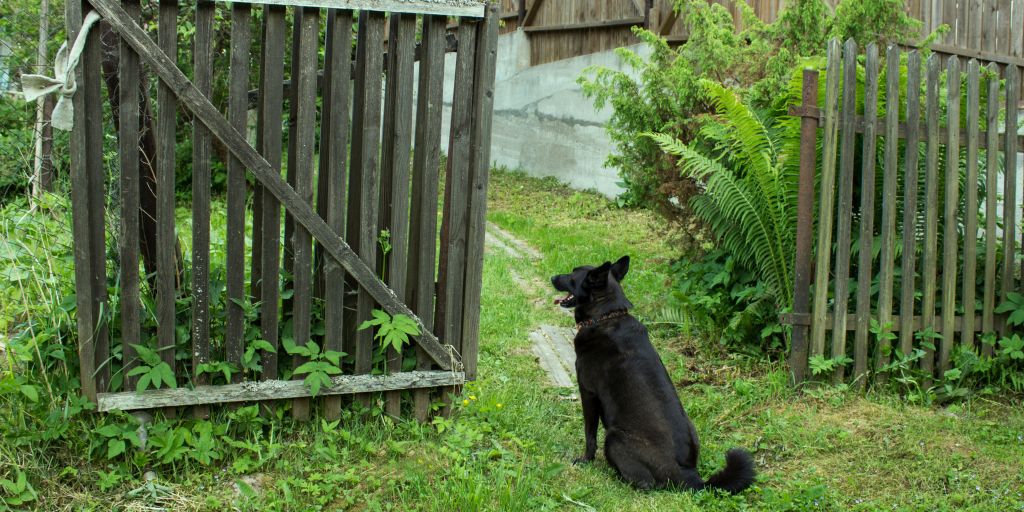
Boundary training is by far one of the most important real life training. Teach your dog what spaces they’re allowed to be in and under what circumstances. Use cue words to let your dog know whether they can exit the property and establish a boundary that is easy for your dog to understand (such as the edge of the lawn). Take your dog out on a long line any time you are outside. You can practice it when you’re out gardening, enjoying the sunshine, shoveling snow etc. Let the long line drag behind your dog but keep an eye on them. As soon as they cross the boundary you’d like to establish correct your dog and put them back within the boundary. Work on this every time they’re outside with you and work on it often. Eventually your dog will learn where the boundary is and not to cross it.
You can also use this as an opportunity to work on your dogs recall. When your dog is away from you and distracted with just being a dog then use this as a chance to call them. Call your dog to you sporadically at random times when they’re in different places within the boundary. If they don’t come when called, you can use the long line to correct and/or guide your dog back to you.
Door Dashing
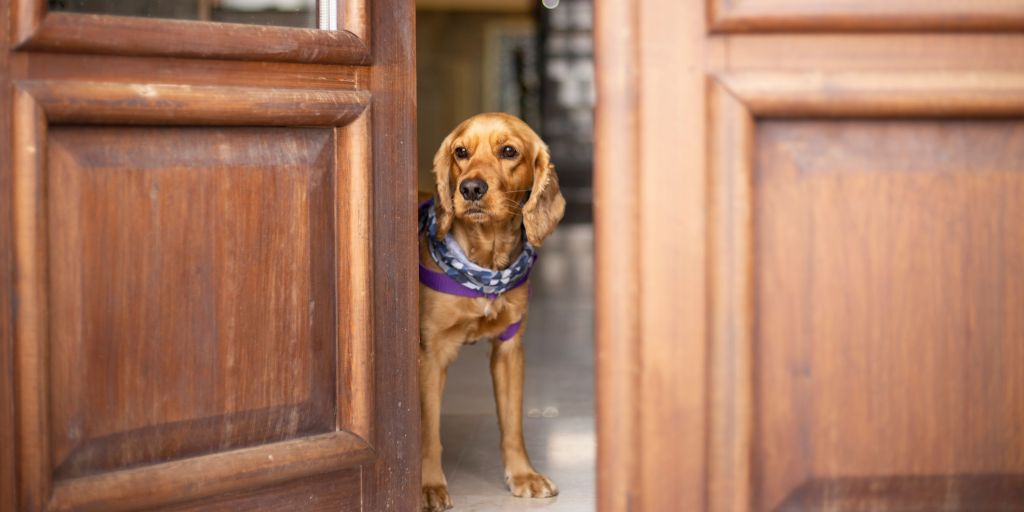
Teach your dog not to dash out of an open door. This should be a rule applied to when you’re leaving the house and in the case of a door left open. Teach your dog these techniques for the doors to your house and any gates that could be potentially left open and your dog escape. For example, one day when I was sick in bed, my husband was mowing the lawn and he left the gate open. My dog Zelda was inside, but the door was open with the screen closed and the cats like to open the screen door to let themselves out. If the screen is open enough for her to get her muzzle through then Zelda will push the screen door open too. Within 15 minutes she escaped and was long gone. We were able to track her down through posting on the community Facebook page and tracking sightings of her. After that I decided to teach her she was not allowed out of the gate unless one of us gave her the go ahead.
Likewise, your dog should learn not to dash out of any open doors. We have a split-level entry which makes getting in and out of our house crowded and annoying to begin with. Add an excited, uncontrolled dog into the mix and it’s a recipe for someone falling down the stairs. For this reason, I’ve taught Zelda not to dash down the stairs or out the front door.
Every time you open the door, have your dog sit and wait (on leash). If the dog dashes out the door correct them and put them back in the same spot or further back from the door. Every time you leave with your dog make them wait until you give a cue (‘lets go’, etc). The dog should not be allowed to leave the house through that door without the cue word.

Go To Place
Teach your dog to have a place that is just his to go lay down on. Teach a command to send your dog to his bed to keep him out from under foot, while you’re eating or when you have company over. “Go to bed” is a good cue to use. Teaching your dog to go to place will be a lot easier if they already know how to lay down and stay on command.
Going to place is a very handy “real world” command for your dog to know. Tell your dog to go to place when you’re eating meals, when you have guests over or whenever you just don’t want your dog under foot.
It’s very important that your dogs place (whether it’s a bed, blanket, crate or rug) is used by only the dog. Don’t allow children to play on it or other pets to lay on it. This is your dog’s safe space to relax.
If you’d like more information or help training any of the above “real world commands” please don’t hesitate to contact me to schedule a consultation and training session.
 Shara Walsh