I’ve decided to make my three-part article about dogs and children available for free. This subject is near and dear to my heart as well as just being extremely important information. Most dog bites to children happen to the face and can be traumatizing, disfiguring or even fatal. If both dogs and children are taught from a young age how to safely and respectfully interact they can build a beautiful friendship together.
[ PART ONE ] [ PART TWO ] [ PART THREE ] [ PART FOUR ]
I grew up constantly around dogs. We always had at least one family dog (if not two) and since I was 5 years old I knew dogs were something special and that I had a special connection with them. You could even say I was a little obsessed (to the point my family had to tell me to talk about dogs a little less).
Having dogs can be extremely beneficial for children. Studies have shown that kids who grow up around dogs build a better immune system and have less problems with animal allergies. Kids who grow up with dogs also learn about responsibility, love and caring for another being. They also learn about the unfortunate cycle of life and death. They learn about love, loss and friendship. They have someone who is always there for them, always loves them and always has a sympathetic shoulder when they need it. Dogs can also help a child be more physically active through walks, play, training and dog sports. The benefits are so big I feel every kid should grow up with a dog in their life. That all being said; it is also extremely important that parents/caregivers learn how to help kids and dogs interact safely.
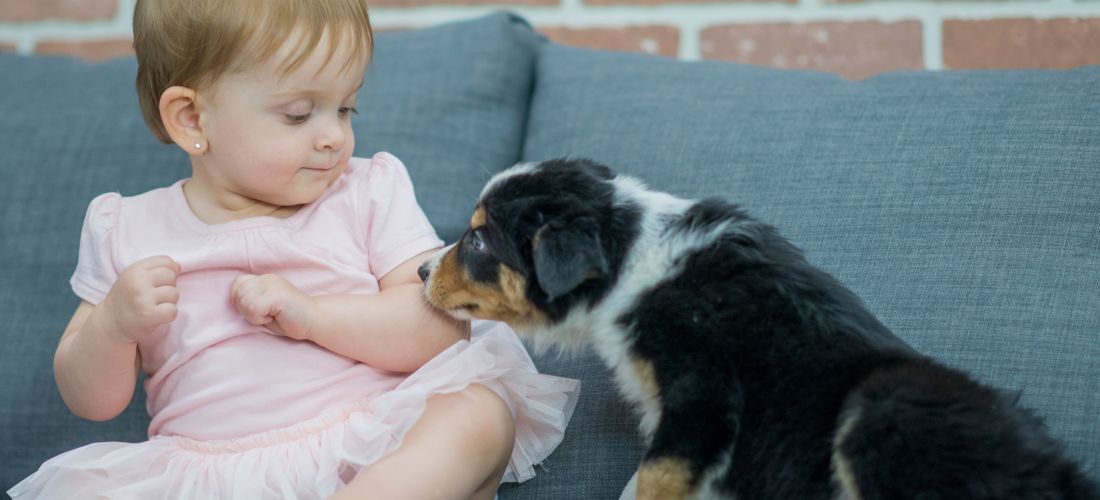
SO many dog bites towards children could be prevented. Dog bites towards small children can also be extremely devastating. From the moment a baby is born or a puppy brought home it is the responsibility of the caregivers to teach both dog and child how to interact safely.
It starts with supervision. Even the most friendly of family dogs can bite if pushed past their limits. Babies and small children should ALWAYS be supervised with dogs. They do not have the brain development yet to learn how to safely interact with dogs. Babies and toddlers tend to pinch, grab and pull as a way to explore their world and they don’t understand that it can hurt someone else. They also like to explore their worlds through putting things in their mouths and physically crawling, climbing and tumbling. Dogs can have a lot of patience but even the sweetest of dogs will react to pain. Never ever leave a baby, toddler or small child alone with any dog.
Likewise, puppies and dogs need to learn they can’t jump on, paw at or constantly lick at a baby. Large dogs can easily knock over toddling toddlers. They need to learn to give space to small ones and keep their paws to themselves. A large, rambunctious puppy can easily hurt a baby or toddler with the intentions of play.
You can introduce dogs and children at any age, whether the child is an infant, toddler or older child and likewise; whether the dog is a full grown adult or puppy. How you introduce children and dogs may vary a bit, expectations can be different based on their age, but no matter what you want the introduction to be soft, slow and calm.
How to Introduce Babies and Dogs
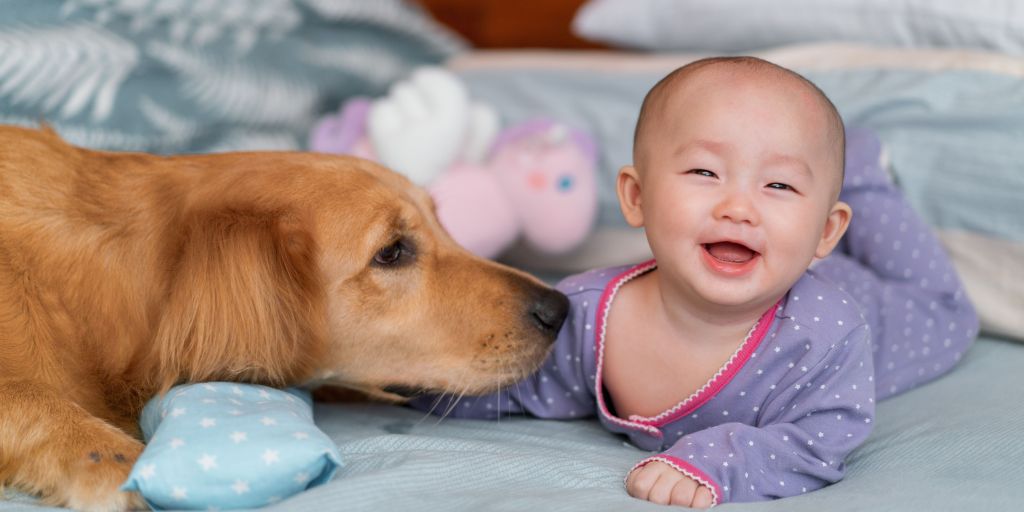
When you first introduce a dog to your baby make sure it is in a calm environment. Wait until all the visitors are gone and the house is quiet. Have the dog sit and you hold the baby so that the dog can sniff from a seated position. Dogs may get excited at the smell of a newborn baby so a leash may be needed if you have an easily excited dog who likes to jump about and express their excitement with their whole bodies. Tell your dog to sit if they start to get excited. If your dog is overly excited, unresponsive or you feel too nervous to let them get too close, then don’t. Dogs can learn a lot about social interactions from not directly touching or being close enough to touch anyone. In fact, a positive experience where nobody gets upset and nobody gets hurt is extremely beneficial to teaching a dog to be calm around new people or animals. Likewise, it teaches the same lessons to the baby too.
Babies and kids learn a lot from what we set as an example. Keep this in mind when you’re interacting with your dog in front of your baby, keep this in mind. Since babies have very poor motor skills, it’s best to avoid petting areas of the dog that the baby may accidently grab or poke that are sensitive (such as the head/face). Start with petting the dog’s shoulders, chest or back. Show your baby how you gently pet your dog. You can even repeat to the baby “gentle pets” and explain it’s a nice dog you’re giving gentle pets to. Talk in a soft, sing-song voice that your baby enjoys.
If your baby grabs the dog’s fur, hold their hand so that they can’t pull on the dog’s fur and release their little grip. Small babies are too young to understand, nor do they even have the ability to control whether they grab at the dogs fur or not. Just release them and continue on with the calm interaction. If your baby seems to grab and pull too much for your dog’s comfort then stop and try again another day. Watch your dog and gauge their reaction. If they seem nervous then stop all interactions between baby and dog for a bit. Instead, focus on peaceful cohabitation from afar.

How to Introduce Toddlers and Dogs
Toddlers can be very unpredictable and this can be hard for dogs. They squeal, run, poke, grab, and climb on everything. This is all totally normal and important skill-building and world-exploration for your toddler, but just like the other safety rules in your house your toddler needs to learn the rules about interacting with the dog. Don’t let your toddler do things like grab, pull, poke or climb on the dog. Teach them, instead, that we pet and play with the dog nicely. Show your toddler by example how to pet and tell them “gentle pets”. Put a lot of emphasis on being gentle with the dog. This can be a hard concept for some toddlers to get, and may take many many repetitions. If your toddler is particularly too rough and your dog isn’t comfortable, then it’s time to end the interaction and try again another time when your toddler can be calmer.
Toddlers can play simple games like throwing a ball for a dog. Getting the ball back from the dog should be the responsibility of an adult or older child. Toddlers should NOT be allowed to take anything from the dog, whether it’s a ball thrown or another toy or chew/bone of the dog. If your dog has any sort of possession issues and you notice signs of their resource guarding (growling, hovering over, and generally protecting their item from anyone) then it is very important you pick up ALL items the dog my guard and remove them access when the toddler is on the floor. This is a very important rule to prevent bites.Your dog can have access to these items when the toddler is not around or when the dog is in a locked crate or room. Do NOT give a dog access to items it may guard when any children are around. Work on this behavior separately and until a child is old enough to understand not to grab an item from a dog.
How to Introduce a Child to a Dog
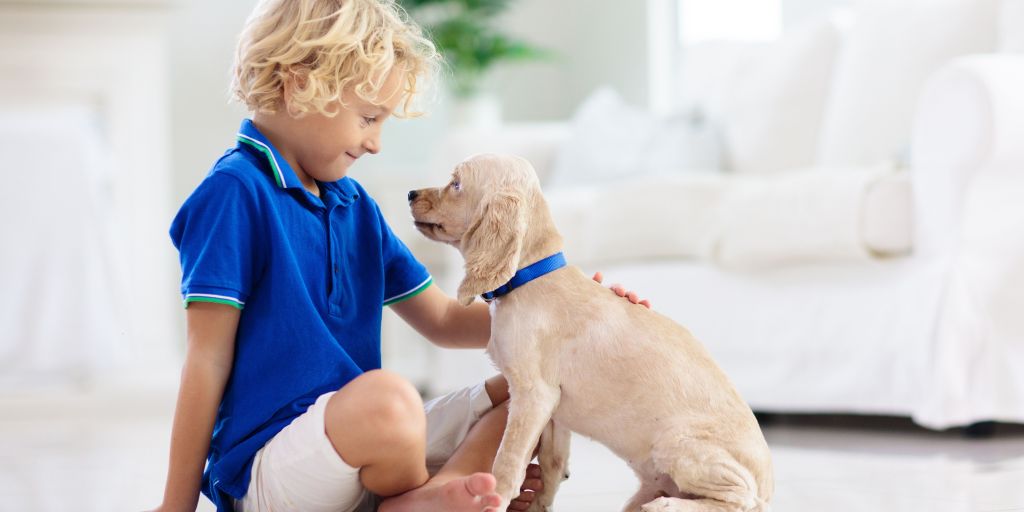
Children who are 5 or older can be introduced to dogs with a bit more instruction. Let them know to remain calm. Don’t run from a dog (especially excited dogs or puppies), don’t make sudden movements; pet the dog from the chest, neck or back. Do not reach over the dog’s head. Give the dog a treat or throw a ball for them. Older children can pick up the ball from the dog, or give commands such as drop it/release. If a dog enjoys it, a child can rub their belly or brush their fur.
If the dog is extra rambunctious, then just like when introducing a baby or toddler, you can put the dog on leash and ask for a sit or down. Have the child give the command and reward with a treat. Let the dog sniff the child. If they seem overwhelmed or unsure, let them have space from the child and/or take a break.
Teach your child to always ask before petting a stranger’s dog. Have them practice asking “can I pet your dog” and explain that if someone tells them no then it’s important to respect that.
Older Children/Teenagers and Dogs
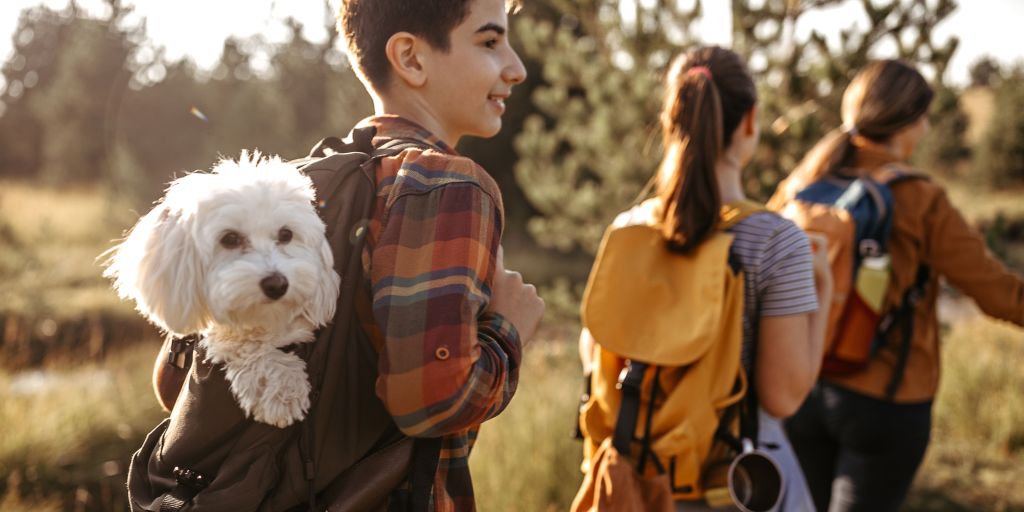
Dogs are a great companionship for older children and can encourage physical activity and responsibility. Older children can take on the job of feeding, brushing, playing with, walking and even training the family dog (with adult guidance). Dog sports such as Dog Agility or Flyball are great ways for kids and teens to get active and compete in sports with their dogs. Overall responsibility of purchasing food and providing veterinary care should always fall on the shoulders of the adults in the family.
Give the Dog Their Own Space
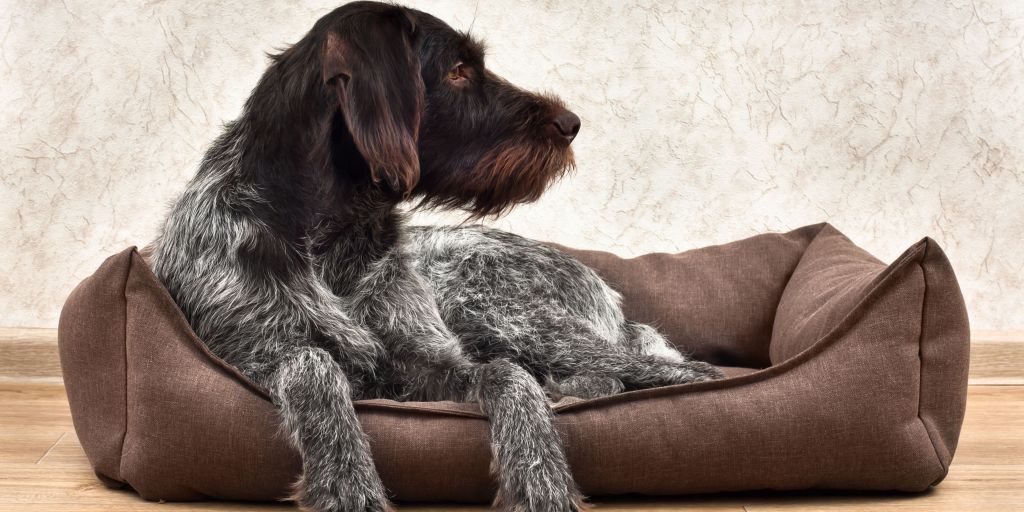
One of the most important things you can do is make sure your dog has a safe space to retreat to when they’re feeling overwhelmed. Kids can be overwhelming for anyone, including dogs. Keep a kennel or bed in a quiet part of a room that your dog can always have access to. Don’t ever allow the children to climb on or in the dog’s bed or kennel. This space is completely off-limits to children and is a safe retreat for your dog. You can encourage your dog to go to this space whenever the kids get chaotic or you notice your dog getting overwhelmed.
 Shara Walsh