Give Your Dogs Name Purpose

Dog Blog, FSJ Dog Training, GUIDE 5: DOG TRAINING, Training

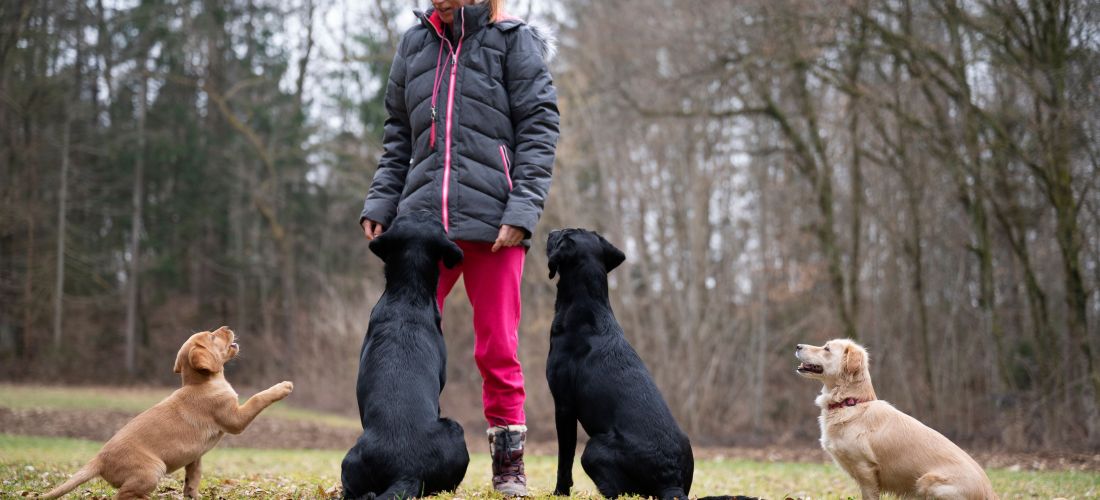
In week three of my Basic Obedience Workshop we talk about focus and reliability. Something I often talk about but don’t always see used by my students is teaching your dog to look at you when you say their name.

Linking a behavior to your dogs name is like a little life hack for training your dog. If you have your dogs focus before you give them the command they are much more likely to actually follow the command.

HOW TO TRAIN IT

To pair your dogs name with the behavior to look at you is simple repetition, repetition.

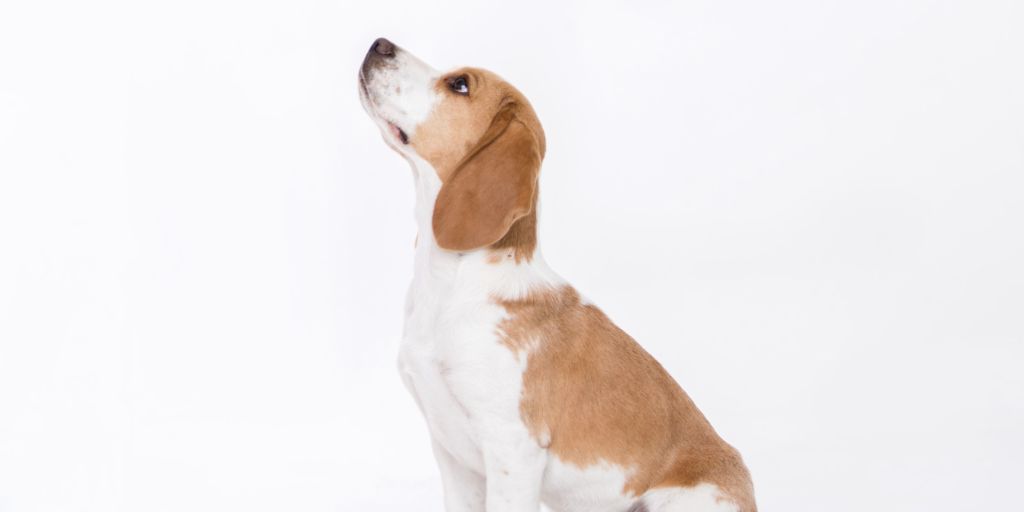
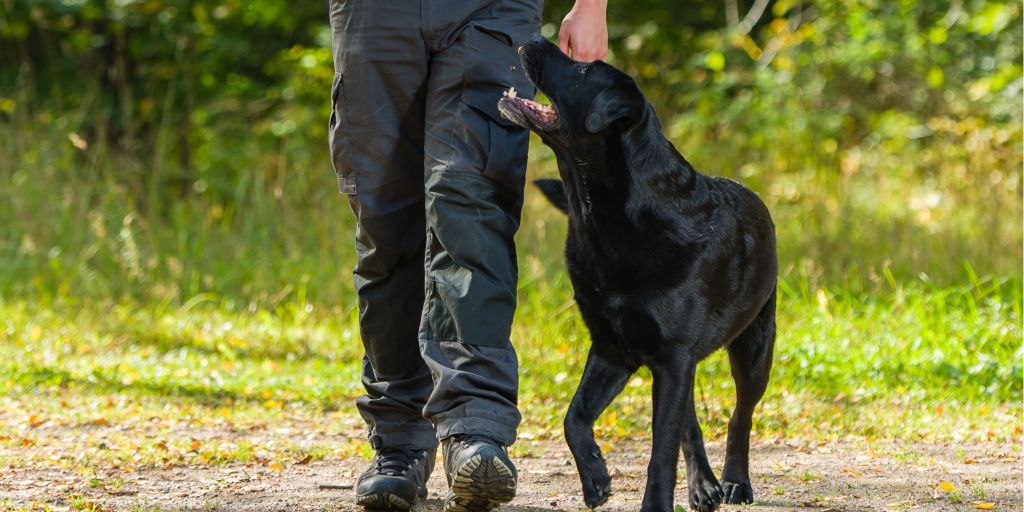
Say your dogs name; if they don’t look at you right away that’s okay. You can use their favorite treat to lure from their nose up to your eyes.

Give a reward when they look to your face.

Give a *Jackpot Reward* when they make eye contact.

Give an extra *Special Jackpot Reward* if they make eye contact or even look to your face without a lure.

HOW TO SHAPE IT

Shaping = praising your dog when they naturally perform the behavior you desire. You can then fine-tune it by withholding the treat for “more” from the behavior (dogs usually start guessing or adding in some flair to try to figure out what you want that will get the reward), and then rewarding them when they show a behavior that is or is closer to the behavior you desire.

You can naturally shape the behavior to look at you when you’re walking or playing with your dog and they naturally just look at you. Instantly praise “YES”. You can even start pairing it with their name “Yes, Fido!”. Even if you’re not trying to pair the behavior with their name (although I highly recommenced it) just rewarding for “checking in” with you will build good habits for off-leash work later on.
JACKPOT!

If you’re not sure what a “Jackpot Reward” is; it is when you give several small rewards in a row that your dog will count as a really big reward. Jackpot rewards are usually reserved for when your dog does something really well. Maybe something you’ve even been trying to get them to do for a while, or something they’ve been struggling to understand.

To a dog, several small treats in a row is a way bigger reward than the same amount of treats given in one pile. So make sure you’re giving those jackpot rewards one after another and not all at once.

You can also reserve very special rewards as jackpot rewards; this way you’re using less treats but they still hold higher value. Something very smelly and tasty that your dog loves.

REAL WORLD IMPLEMENTATION

The most common problem I see is dogs who don’t come when they’re called. Teach your dog to look to you out of habit every time you say their name and you can shout their name first before giving the recall command. That way your dog is much more likely to actually follow through and come when called because you got their attention first. They’re listening and it is the opportunity to call them once. “FIDO!” – dog looks to you – “COME!”. If your dog doesn’t listen, then it’s time to focus on recall drills and exercises.

Don’t over-use it: train and drill focus with their name and lots of jackpot rewards before you ever use it in a real-life scenario. You want it to become a second-nature habit before you ever actually need to use it.

When You Meet a New Dog…

Dog Blog, GUIDE 1: SAFETY & REGULATIONS, Zelda

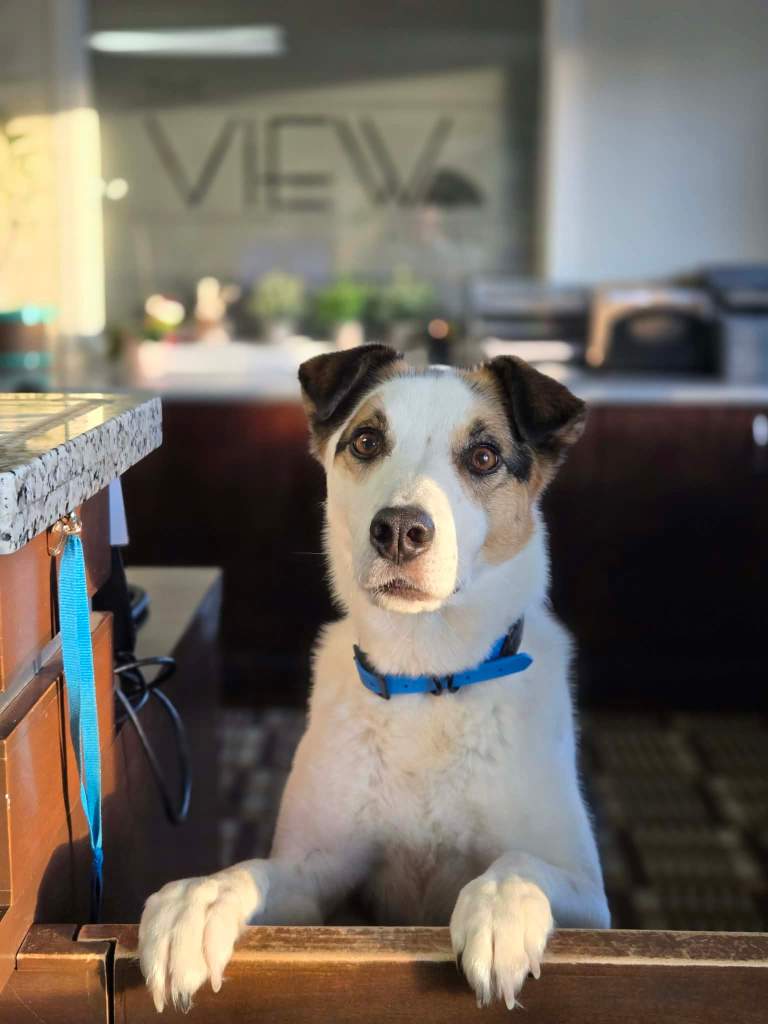
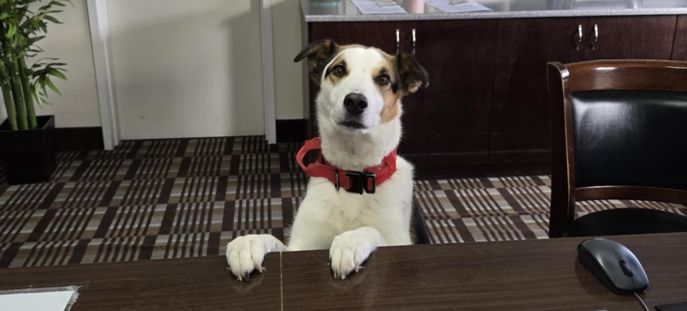
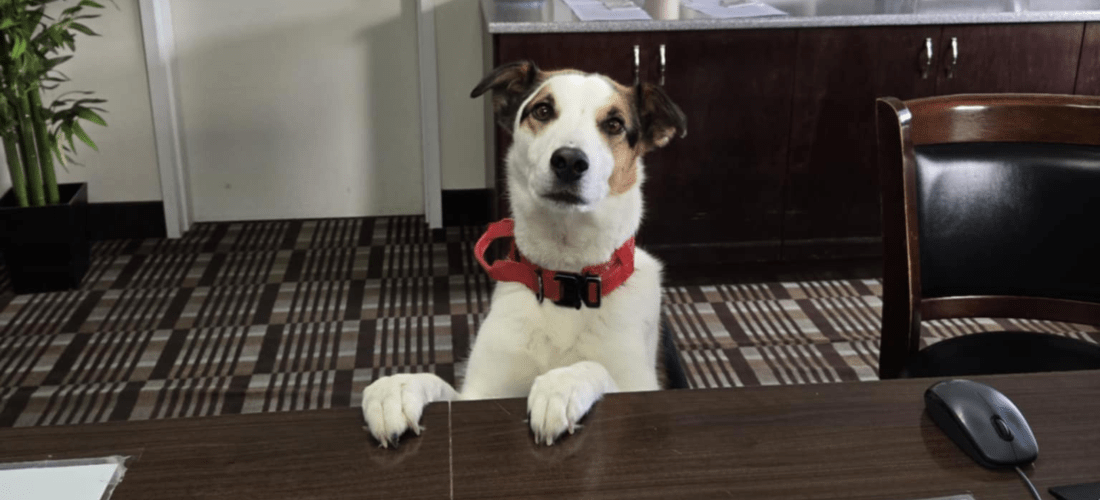
I bring my dog Zelda with me to work front desk on the weekends at the local hotel. Zelda is friendly, loves the attention and takes her job seriously. However, I’ve observed something time and time again that honestly makes my skin crawl. Grown adults who have no clue how to greet a strange dog. They greet her as if they would greet their own dog. There is a big difference between the comfort level of a dog you know and live with and a strange dog you just met for the first time.

Dogs talk through body language and display many different “stress signals” to try to tell others that they are uncomfortable with what they’re doing. Most humans don’t understand these stress signals and so do not recognize them. They keep pushing the dogs boundaries without even knowing it.

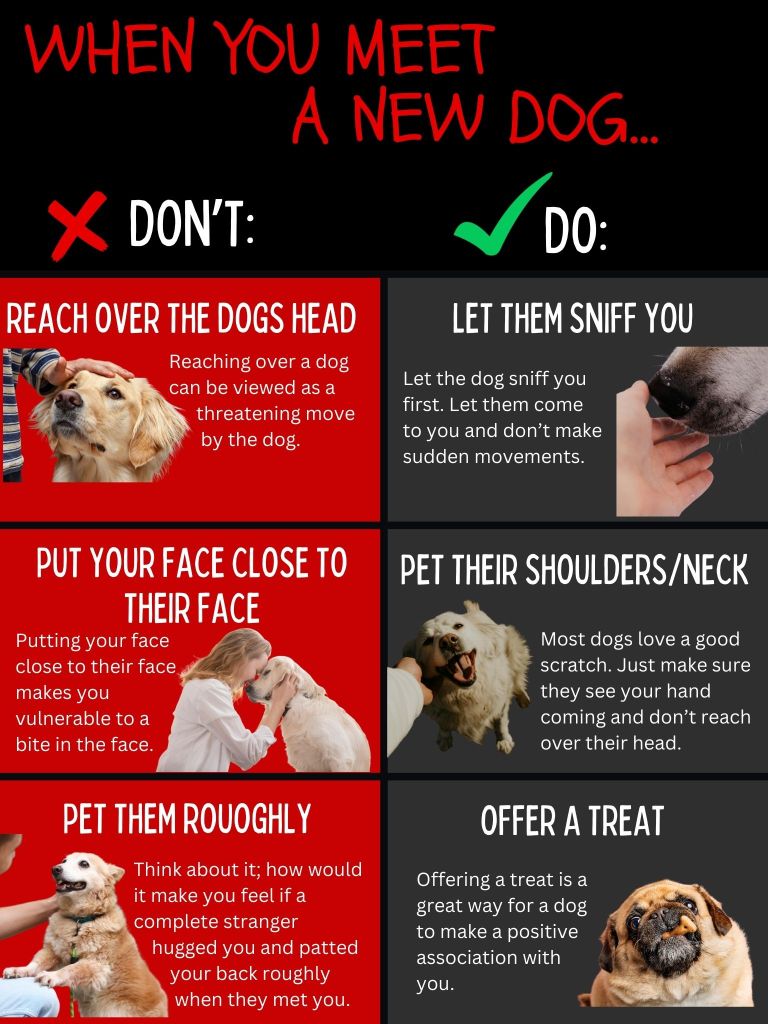
We love dogs and we want to get close to them, rough up their fur and really show them how we care. But to a dog that doesn’t know you, this type of behavior can be scary and overwhelming. Imagine if a stranger you just met greeted you by getting right in your body space, hugging you or slapping you on the back. You’d probably feel really uncomfortable.

Want to learn more about dog’s stress signals? Read my Body Language and Respect post from my Dogs and Children series.

When Dogs Run Loose

Dog Blog, Dog Rescue, FSJ ACT, GUIDE 1: SAFETY & REGULATIONS

This is a subject I’ve been meaning to talk about for some time but I wasn’t quite sure how to address it. Dogs running loose on their own is a massive problem in our little community. I wasn’t sure how to address this issue until recently I couldn’t help but comment on a public post about “bad dog owners”. I pointed out that it’s a lot easier to educate people when you don’t insult them, and the response was another barrage of insults but this time directed at me. At first I was annoyed, maybe even mad, and very confused as this person was making zero sense. But I collected myself and remembered that when people respond that way it’s because they’re feeling backed into a corner and defenseless. They were too stubborn to change their own mind and so all they had left was insults to hurl.

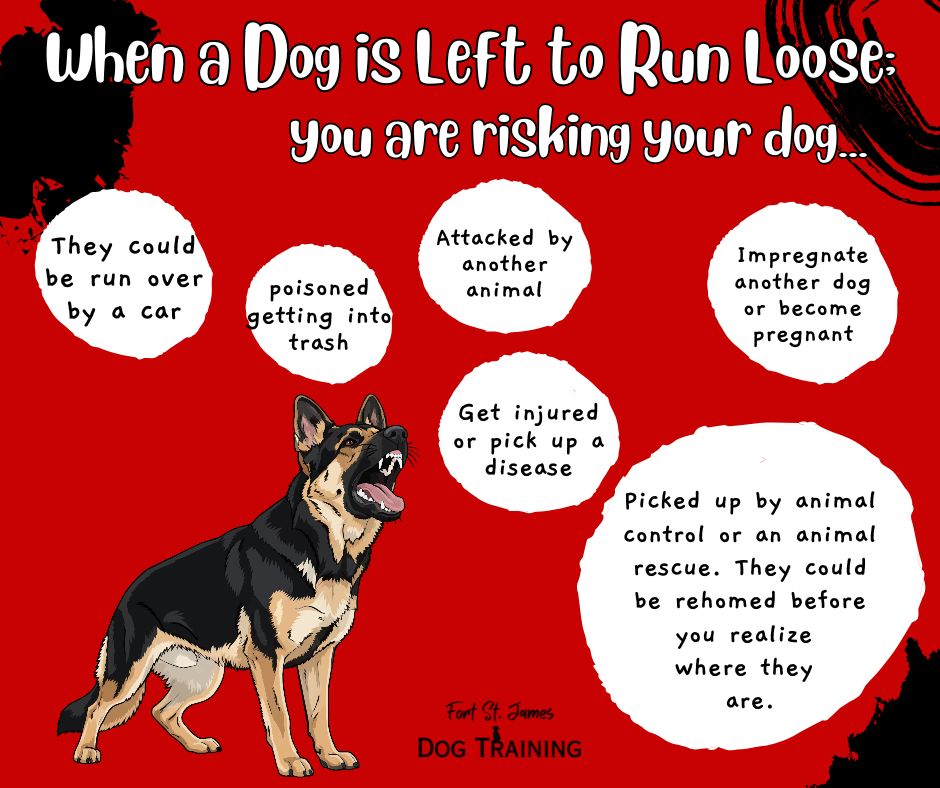
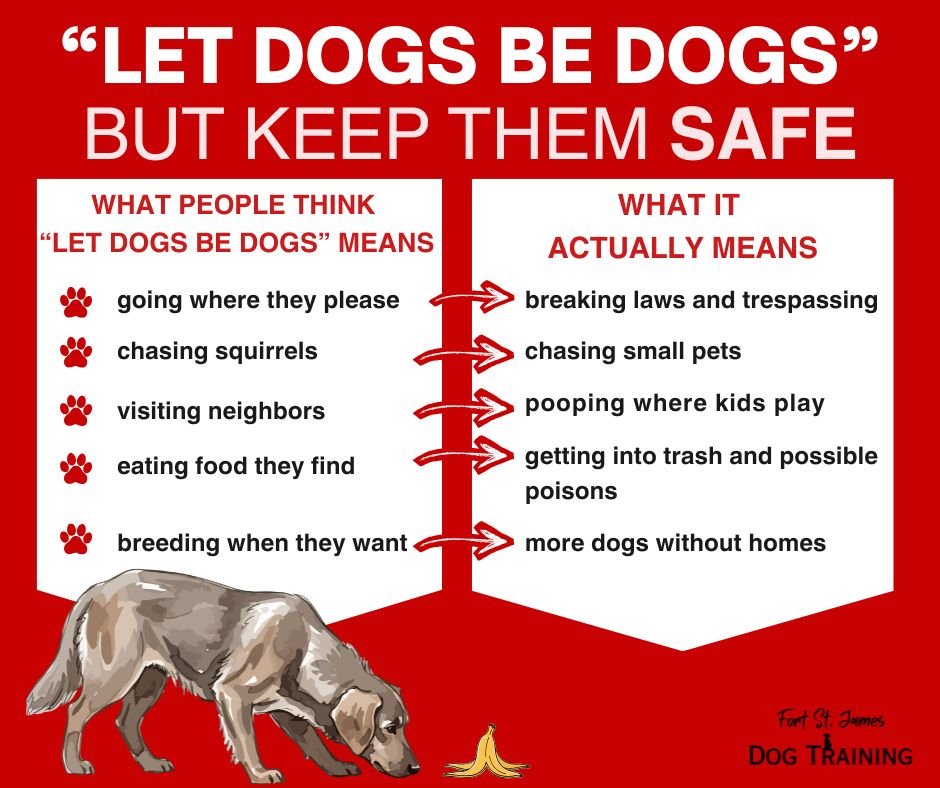
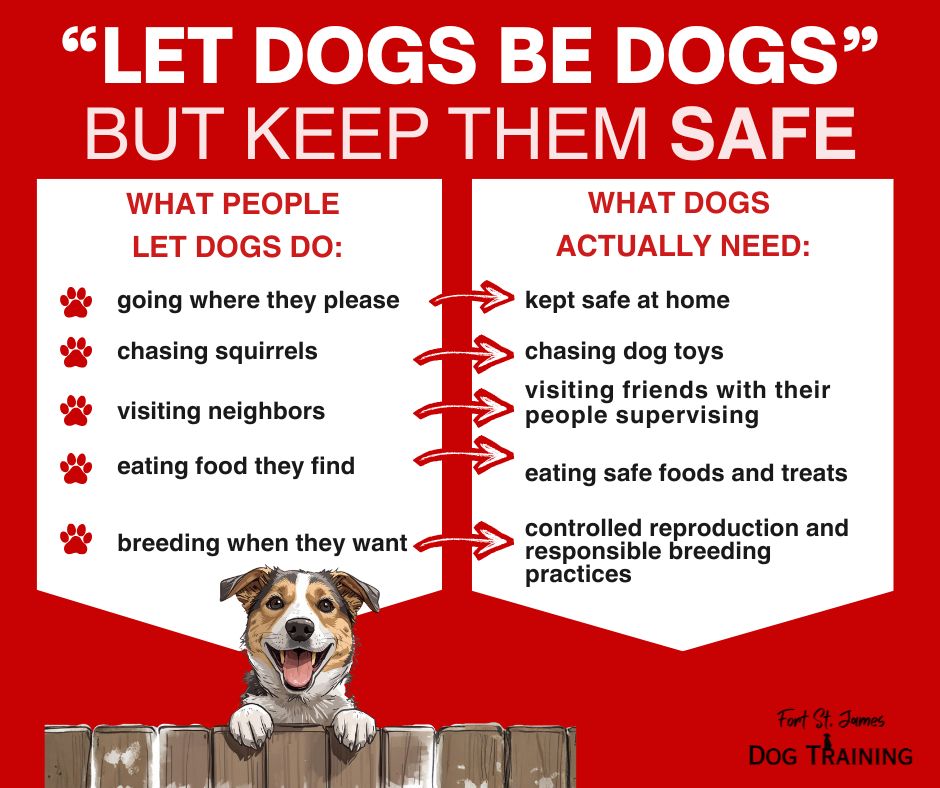
But it got me thinking… how do I help educate people on this important topic when there are people resulting to insults hiding behind an anonymous name? I decided to start where I thrive best; educational material online. Just like my Dogs and Children series, I have structured it much the same with info graphs and this post to elaborate a little more. I know it won’t change the minds that really need it, but maybe it will help people understand that this is a broad issue, as well as to bust some common misconceptions I hear.

When Dogs Run Loose it’s often referred to by professionals and bylaw officers as “dog at large”. It means a dog is off their property without an owner or caregiver and without a leash.

There are many reasons it is unhealthy for a dog to run around public and private properties without an owner accompanying them. There are risks to your dogs health and life if you let them run loose.

“LET THEM BE DOGS”

I hear a lot of different reasons why we should “let dogs be dogs” and let them roam the streets and live their lives as they please. I often am told that different cultures have always raised dogs differently, and essentially, who am I to come in and tell them how to raise their dog? Sure, the traditional way to raise dogs makes sense when you think about it in traditional times. But this is 2026 and this is a vastly different world we live in today. It’s time for all humans to step up and take care of our animal friends in a way that keeps them safe and healthy in all regards.

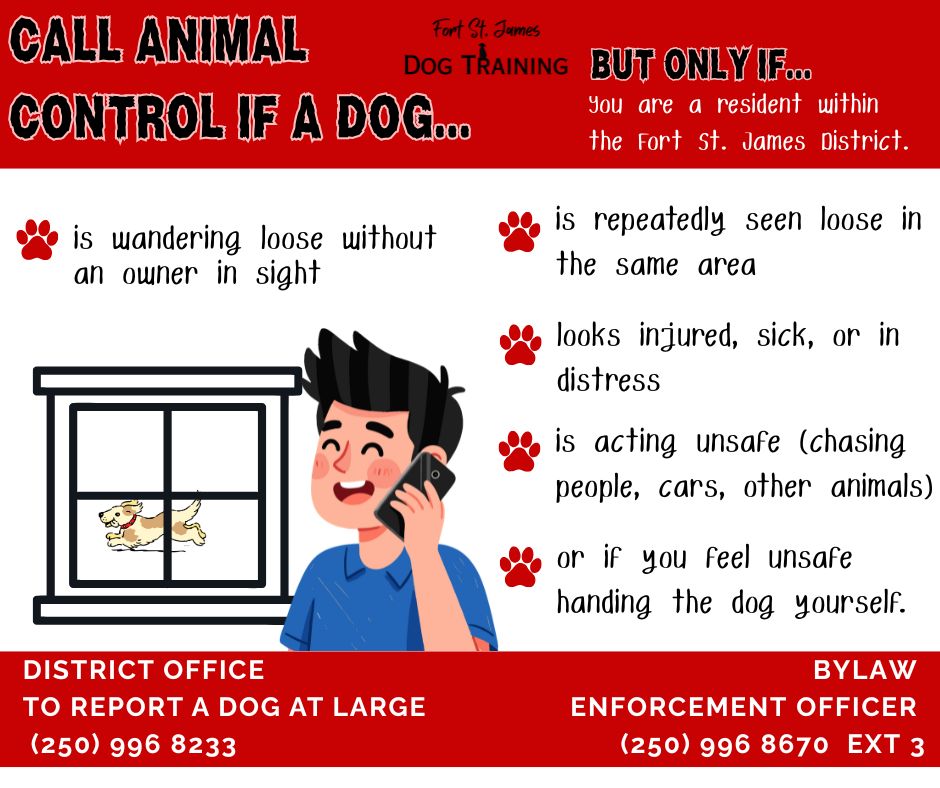
CALL ANIMAL CONTROL

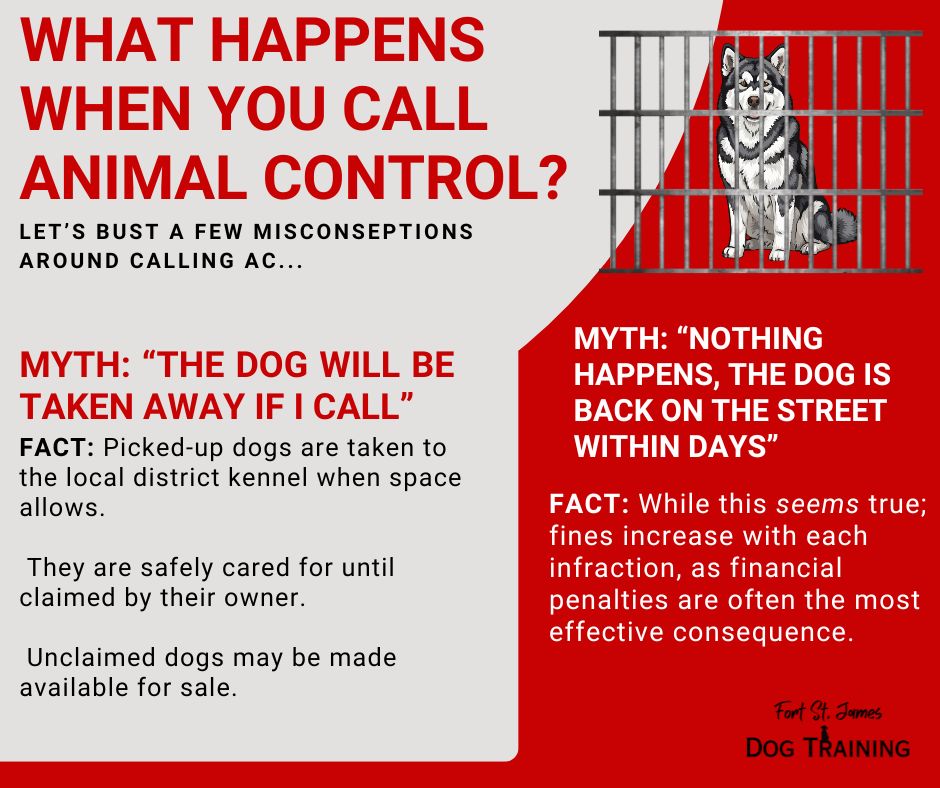
When and if to call Animal Control is going to depend on different factors. I’ve heard a lot of different reasons from people against calling Animal Control (which, in our town, is the Fort St. James District bylaw officers). There has been a lot of controversy ever since they opened their doors January 1st, 2025. I’m not here to touch on most of that, but I am here to bust a few myths I’ve heard floating about.

HOW YOU CAN HELP

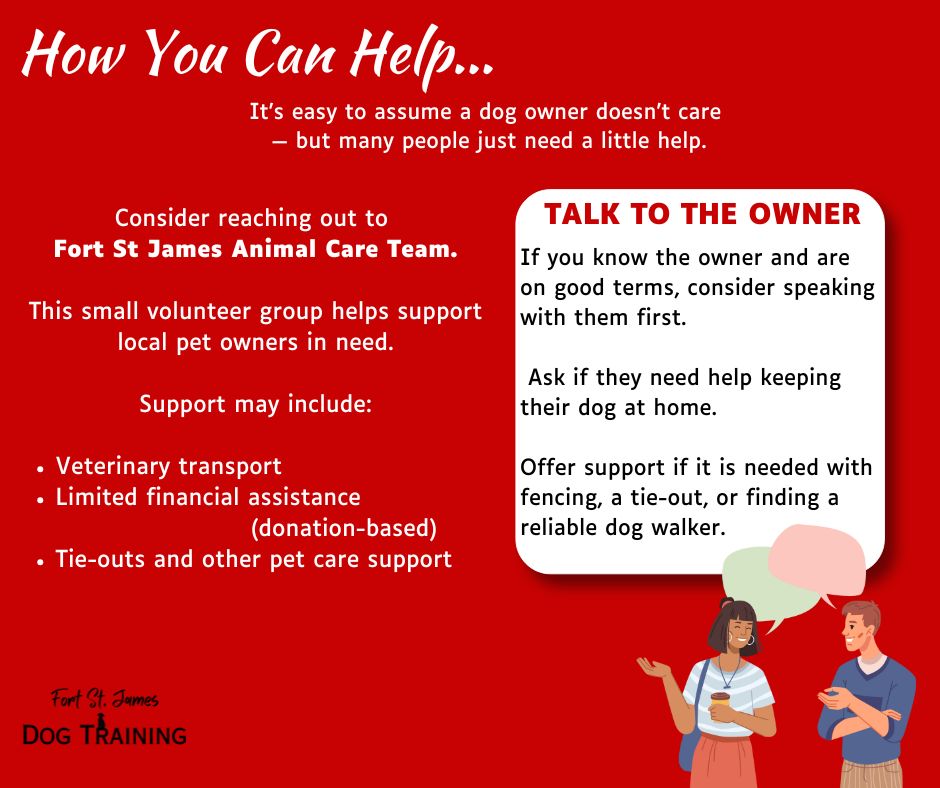
If, after reading the above points you still don’t feel right calling AC on your friends and neighbors dogs, then maybe offering help is more your style. Sometimes people need help more than judgement or consequences.

They might need help accessing the right equipment (like a proper tie-out), they may need help building a fence, they may need financial aid (there are many resources available for this), or maybe they need the number of a reliable dog walker. There are so many solutions that they could need help with and all you have to do is nicely ask them.

IT IS A COMMUNITY PROBLEM

Dogs at large and left to wander is a community problem. It puts the dogs at risk but it also puts the public at risk as well. When dogs are scared, feel threatened or cornered they will often resort to biting as a means of escape. It doesn’t make them bad dogs, they just feel threatened and are trying to protect themselves. When multiple dogs are left to wander they can “pack up” and become even more dangerous in groups. Even just 2 or 3 dogs running wild can be dangerous and considered a pack.

This is a problem that requires solutions from both the governing body (for us, it’s the District of Fort St. James) as well as community members. If you can hep a dog in need, do it. If you can help a person in need, do it. If you can’t, find someone else who can help and/or enforce the laws we all have to live by for a functioning and safe society.

Now I have little faith this post will solve the problem. But if it helps change the mind of just one person to be more willing to reach out and help instead of judge, or if it makes one person considering finding a way to keep their dog safe at home, then it was worth writing every word and designing every graphic.

Keep Your Dog Safe This Halloween

Dog Blog, Real Life Training

Halloween is my absolute favorite holiday. It is all about having fun getting scared and eating candy, which are pretty much my two favorite things (other than dogs, of course). I love decorating my house all spooky for the month, taking the kids trick-or-treating, and watching horror movies with my husband.

It’s often easy to overlook our pets during the holidays when we are busy and our routines are disrupted. However, it’s important to take the time to make sure our furry buddies are feeling safe during the holidays as well.

One of the most well-loved Halloween traditions is, of course, dressing up! The first thing to consider is whether your dog will spook over someone in a costume or not. Dogs don’t understand the concept of Halloween or dressing up and it can be very easy to frighten them when everyone is suddenly covered in these strange clothes and makeup. The smells alone of the makeup and plastic can be unfamiliar and unsettling to a dog.

If you plan to dress your dog up, make sure to choose a costume that isn’t too constricting, too flashy or big that may startle your dog, and make sure it is sized appropriately. Once you have your costume selected you will need to teach your dog how to wear it. Don’t wait until October 31st to put the costume on your dog. You will want to try it on them well in advance and get them used to wearing it. If your dog has never worn a costume before, or if they spook easily, you are going to start with very small baby steps to teach them to wear it.

Start by letting them sniff it and reward for close proximity or interest in the garment. Use your dogs favorite treats to make it extra enjoyable. Do short sessions of this and gradually move the costume closer and begin to touch your dog with it. Depending on how the costume goes on, you may want to touch their feet and legs with it, brush it over their back or even place it on top of their head. Gradually move the costume more and more onto their body. Always rewarding for calm, accepting behavior. Once you can fasten the costume onto your dog you can try to get them to walk around with it. Some dogs may feel constricted, like they can’t move even if the costume is loose on them. Be patient and give them time to adjust, always rewarding for calm behavior. If your dog seems stressed, always take it a step back and try again later.

As your dog gets used to it, you can try leaving the costume on them for longer periods. Practice taking it on and off multiple times, giving lots of praise and rewards every time you do.

Of course dogs love treats! But not all treats are safe for dogs. Chocolate is a BIG no-no for dogs and can make them very sick and can even kill them in large amounts (bakers chocolate being the most toxic to them). Keep all candy far out of your dogs reach.

If you wish to include them in the special event, you can opt for dog-safe treats. Our local Ouellette’s Building Supplies has a great selection of dog treats, bones and chews!

Giving your dog a good hardy chew is a great way to keep them quiet, safe and feeling happy during the commotion of trick-or-treaters.

If you wish to take your dog with you trick-or-treating then my best advice is this: know your dog. If your dog is prone to shyness, spooks easily, gets nervous or has any sort of anxiety in public spaces, around people or around strange things then DO NOT TAKE THEM WITH YOU. They are MUCH better off at home, in a safe space where it’s quiet and they can try to relax.

If you have a “bomb proof dog”; meaning they are pretty unphased by crowds, other animals, traffic, etc. then taking them with you while you trick-or-treat can be a great way to further socialize and desensitize them and work on your training in these situations. Make sure to add some lights to their collar, harness or leash to make them easy to see in the dark, and keep them by your side at all times. Some children (and even some adults) may pet them unexpectedly and this is something you will need to know beforehand if your dog can handle that kind of uninvited touch.

Stay safe, keep your dog safe and Happy Halloween!

A Summer Reset and What’s Coming Next

Dog Blog, FSJ Dog Training, Monthly Update, Pack in the Park, update

I took a bit of a break this summer. Consistent childcare, access to a vehicle, and finding the right training space are all challenges that make 1:1 training difficult. On top of that, after running five group obedience classes back-to-back in the spring, I was feeling pretty burnt out. Taking the summer off gave me the chance to recharge and enjoy more time at home with my kids.

While I was home, a few realizations stood out:

  1. Group classes are definitely in demand here.
  2. Without reliable childcare, a car, and a consistent training space, 1:1 clients are nearly impossible to schedule.
  3. It’s okay to ask for help.

GROUP CLASSES ARE COMING BACK

As I shared in my last post, group classes were a huge hit this spring, and I’ll absolutely be bringing them back this fall. If you’d like to join, make sure you’re on the waitlist — I’ll email you as soon as the dates are finalized.

PRESSING PAUSE ON 1:1 TRAINING

As much as I love working with 1:1 clients — it’s where my training techniques really shine — I’ve decided to temporarily suspend private sessions. This includes:

  • Puppy Training Sessions
  • Obedience Training Sessions
  • Problem Behavior Sessions
  • Trick Training Sessions
  • The 1:1 option of the Boundary Training Workshop

If you’re already a 1:1 client or have upcoming sessions booked, nothing changes. I’ll honor all current appointments and contracts. Starting today, though, I won’t be accepting new 1:1 clients until my schedule is more flexible.

A HUGE THANK YOU TO SHANNON

I have to give a huge shout-out to my friend and fellow certified dog trainer, Shannon Joe, who stepped up to help with Pack in the Park. She’s been an absolute delight — showing up consistently, creating her own event pages, and even taking and sharing photos in the Dog Owners Group afterward.

Because of Shannon, Pack in the Park continues to run weekly. She usually hosts Sundays and often covers weekday events if I can’t make it. I honestly couldn’t keep it going without her. Thank you, Shannon!

TRICK TRAINING: A PERSONAL PASSION


Shannon and I have also been tossing around the idea of starting a Trick Training Club in FSJ. While I’m not sure I have the time to commit to a full club, I will be adding a trick training class this fall — so keep an eye out for announcements!

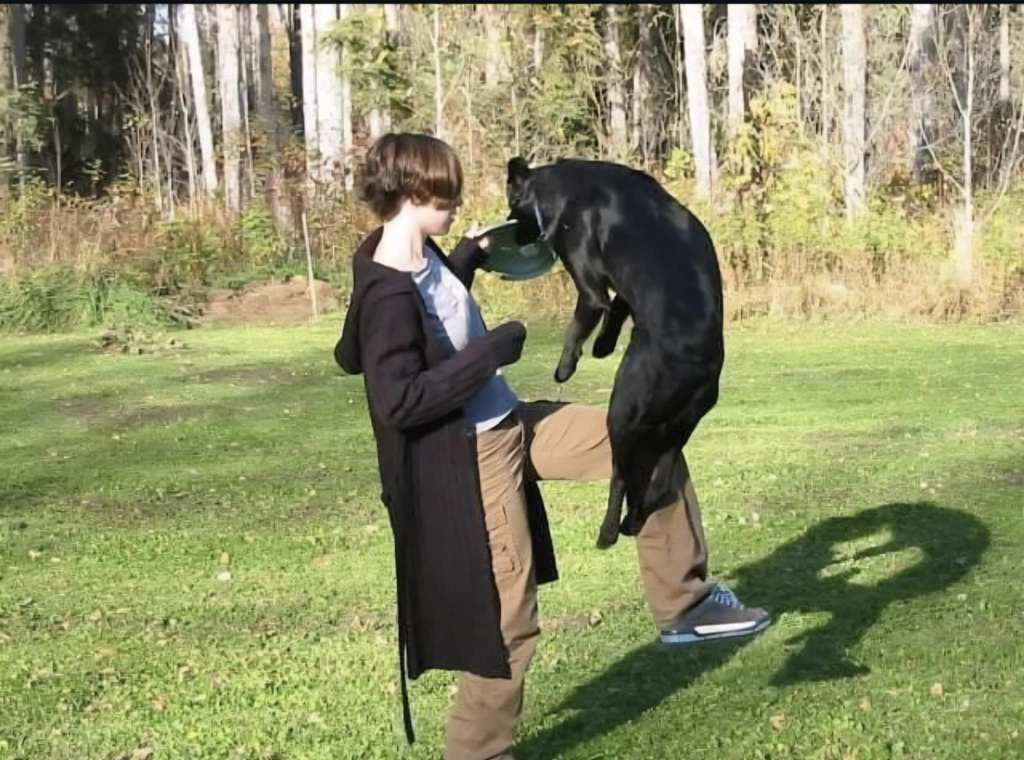
Trick training has been one of my favorite things since I was a kid. Between ages 11 and 16, I taught my dogs an impressive number of tricks — all without formal knowledge. I learned by breaking behaviors down step by step. My dogs could grab drinks from the fridge, vault off my back to catch a Frisbee, balance on my feet — you name it. While other 13-year-olds were exploring makeup and hanging out with friends, I was at home teaching my dog to perform circus acts.

These days, I’m working toward earning my dog Zelda’s Novice Trick Dog Title. We already have enough tricks to qualify, but I’m polishing them up before submitting. Once Zelda earns her title, I plan to launch a trick training class designed to help owners do the same. By the end of the course, you’ll have enough tricks to submit to Do More With Your Dog for your own Novice Trick Dog Title!

Designing the class and all the supporting material will take some time, but I promise it will be worth the wait.

WHAT’S NEXT

Before trick training begins, I’ll be running more Group Obedience Classes — as many rounds as there’s demand for. Right now, I’m updating the class material. Once that’s ready, I’ll confirm dates with the United Church.

I know this post is a lot of “what’s coming soon,” and I wish I had exact dates for you already. My best guess is that group classes will start rolling out in late September or early October.

Thanks so much for your patience and continued support — I can’t wait to get back into training with you and your dogs!


Preference Test Your Dog

Dog Blog, FSJ Dog Training, Training

When you preference test your dog, you learn what type of rewards they prefer. By knowing what your dog prefers you can help better motivate and reward them. They’re going to associate you with their favorite things and feel more compelled to listen because you give up the good stuff. It also helps you bond with your dog, by getting to know them better.

You can find out your dogs preferences by presenting two or more of similar items and see which they prefer, which they seem more excited about and which they tend to move towards and grab faster and/or more often.

You may find they vacillate between two items; they don’t always seem to prefer one over the other. If this happens, you know that both items have pretty equal value to your dog.

You’re going to find variations in what your dog likes based on what type of items it is and again within that sub-group of items. For example, you could present your dog with a toy or a treat, if they like treats better you can then test different kinds of treats against each other and see what kind your dog likes most.

You will be able to see which your dog prefers of…
food
toys
locations
people
tactile stimulation

Repeat the same test at least 3 times to determine their preference. Whichever they go to most and seem most excited about will be their preference.

Pay attention to details. You may want to learn more about the subtle body language that dogs use first, before commencing preference tests. That way, you can be sure to look out for those signs your dog is giving you.

Some of these signs may be…
– snatching
– eyes popping (getting larger, showing the whites of the eyes)
– which one they go for first, and which they go for most often
– if it’s a toy, which toy they play with longer
– pulling harder, if they are on leash

When testing your dogs food preferences, you’re going to want to keep a few things in mind and understand that not all types of food can be compared equally.

Dogs understand the difference between large and small. You can’t compare a large piece of food to a small piece of food. You need to make sure that the pieces of food you are comparing are the same size.

There are a lot of different types of toys on the market for dogs, and your dog may prefer a type of toy over another. Pay attention to which toys they grab most often, which they hold in their mouth for longer, which they try to initiate play with you more, and whether they prefer a toy they can cash, catch, hold or chew.

There may be variations in…
– size
– texture
– purpose

A dog may prefer a plush toy over a rubber chew. Or maybe your dog loves to play tug o’ war and prefer a good rope toy. Maybe they love to chase balls but prefer a felted tennis ball over a rubber ball.

All of these variations leave for a lot of possibilities that could be your dogs favorite! Test many different toys against each other and see how your dog responds to determine which is their favorites.

Where does your dog like to go to relax, to sleep, or to hang out with the family? To know these preferences you will need to pay attention and take notice of your dogs favorite resting place.

The variations around your dogs favorite locations may be…
– warm seeking
– cool seeking
– quiet location
– central pathway
– inside
– outside

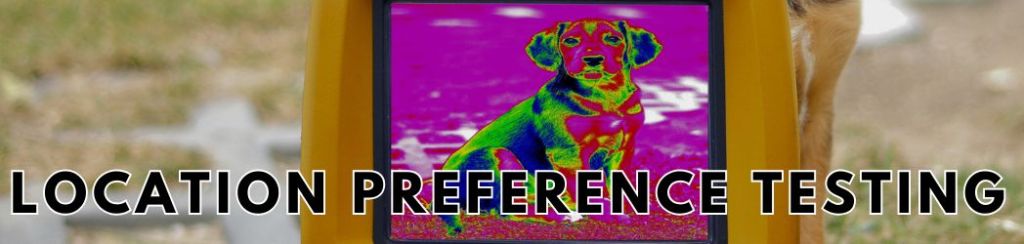
Some northern breeds of dogs and large dogs with thick coats of fur actually prefer to be outside in the winter. If you look at a thermal image of one of these dogs you’ll actually see how much their coats keep heat in. In comparison, you can see how much a heat a short-haired dog would loose. I’ve known of thick coated northern dogs who have full access to an indoor heated home but they choose to sleep in the snow.

It’s no secret that dogs often prefer one person over another. It is commonly the person that feeds, walks, plays, and trains the dog the most. You can understand your dogs people preferences by observing how they interact with each person in their family. Who do they seem most excited about when they return home? When your family is hanging out for a movie night, who does your dog choose to snuggle up with (if anyone)?

Understanding how to ask for consent from your dog can also help you determine who your dog enjoys spending time with, playing with or being pet by the most. You may even find that your dog prefers different people for each of these activities.

To ask your dog for consent when interacting, simply offer yourself to the dog. You can talk to them, clap your hands, offer your hands to smell and for pets, and see how your dog responds. If your dog seems excited, pushes into you, sits at your feet and leans into you, or otherwise shows any signs that they enjoy being pet by you and want to be close to you then it’s pretty safe to say that your dog is saying YES to this interaction. However, if your dog comes in for pets and then turns and leaves, looks away, stays just outside of your reach or maybe even lays down a little ways away from you these are all indications that your dog is saying no thanks, they’re not interested in that interaction. Test out consent with your dog and each person in your family to see who they enjoy interacting with the most.

Remember that dogs moods can change and they may not always prefer the same people all the time. Do the consent test several times and to determine which people your dog prefers most often.

If the results aren’t what you would like, you can make changes in how you interact with your dog to shape a more desirable outcome. Spend more time doing the things your dog likes and prefers and your dog will suddenly think you’re the greatest person in the family! You always have the best treats, the best toys and take the time to understand and respect their preferences.

Tactile preferences is the type of touch your dog prefers. Again, it is helpful if you have a basic understanding of canine communication when doing a tactile preference test. Understanding the subtle cues your dog gives you will help you know which type of touch your dog prefers.

Do one type of touch with one hand and another type of touch with another hand. Observe your dogs body position and which type of pressure your dog leans into.

You can try different variables of touch, such as…
– heavy pressure vs light pressure
– stroking vs. scratching
– close hugs and petting vs at arms length

Most dogs don’t enjoy hugs and kisses. Those dogs which do seem to enjoy this type of interaction have usually been conditioned to enjoy it. Some dogs may enjoy hugs and kisses from their owner but feel extremely uncomfortable if a stranger or lesser-known person tries to interact with them in this way.

Dogs often don’t like to be pet on the top of their head because there is a blind spot there. They may be conditioned to accept and even enjoy it from their favorite people, but when it comes to strangers they should never pet a dog on top of the head.

Imagine if your partner always bought your flowers but what you actually liked was chocolates. Imagine you had no efficient way to communicate this with them so they just kept buying you flowers. Yeah, you may appreciate the gesture, but what would really get you happy, excited and appreciative is if they knew what your favorite thing was.

Now that you understand your dogs preferences, you can use this information to better motivate and encourage them which will give you better success in your training as well as a deeper bond with your dog.

Good luck, and Happy Training!

Wrapping Up 2024

Dog Blog, FSJ ACT, FSJ ACT, FSJ Dog Training, update, Zelda

As the end of the year gradually races towards us, I find myself reflecting on the past year and considering the year ahead. Last year, dog training was a whirlwind of client after client. This year was a slow business year. I think a part of it is that this is a small town and eventually clientele will slow down no matter what, but also I think a lot of it has to do with my own time management.

We started FSJ ACTS in February/March this year and we hit the ground running. I could probably write an entire blog on just this year with ACT. I am constantly feeling pulled between my family, my jobs and my volunteer hours. I love all of it, but I don’t really have time for all of it. I’m so exhausted all the time that I don’t push myself as hard I could to make my dog training career more successful. I keep telling myself it will come with time as my kids get older.

That being said, when I look back on this year and everything I’ve done and learned I realize it’s been a pretty big year too. Just in more subtle ways. I did my first group class in June, which flopped as a group class but I met one wonderful person and her spunky hound dog pup and we still connect and stay in touch. My ideal client is one who shows up on time, does the work with their dog and stays in touch to let me know how it goes in the long-run. I don’t want to ever have a client tell me their training didn’t work out (or worse, hear it from someone else) when I could have been there to help guide them in a different direction. Dog training is kind of a mix between science and art, it isn’t always so black and white. Some things will work with some dogs but not others. Sometimes it takes a bit of trial and error to find what does work.

2024 also taught me how important Pack in the Park is, and it breaks my heart that I haven’t been able to host one in months. I’m currently putting together a new Host training program, so if you’re local to Fort St. James and would like to try to host a Pack in the Park let, me know! I wish I could be there myself, but I just can’t at this time in my life. So I’m hoping to find one or two more individuals who’d like to host it.

I took on a foster puppy for the first time since I was involved with the humane society in 2008-2012. It was extremely challenging. I underestimated how chaotic our house would feel with one more young being in it. Boss was such a great foster pup, the best I could have asked for. So chill, calm, and happy to please. But even with all those wonderful traits it made my house feel more chaotic. I’ve learned that if I do take on a foster dog it has to be limited to the summer when I can utilize my outdoor kennel more. I don’t know if my family will even be ready for another foster dog by next summer, though. Saying goodbye to Boss was really hard. Luckily, he is with a really wonderful family and I still get to see him on occasion when he comes for play dates with Zelda. Boss taught me it’s possible and completely okay to love a dog that isn’t part of your family.

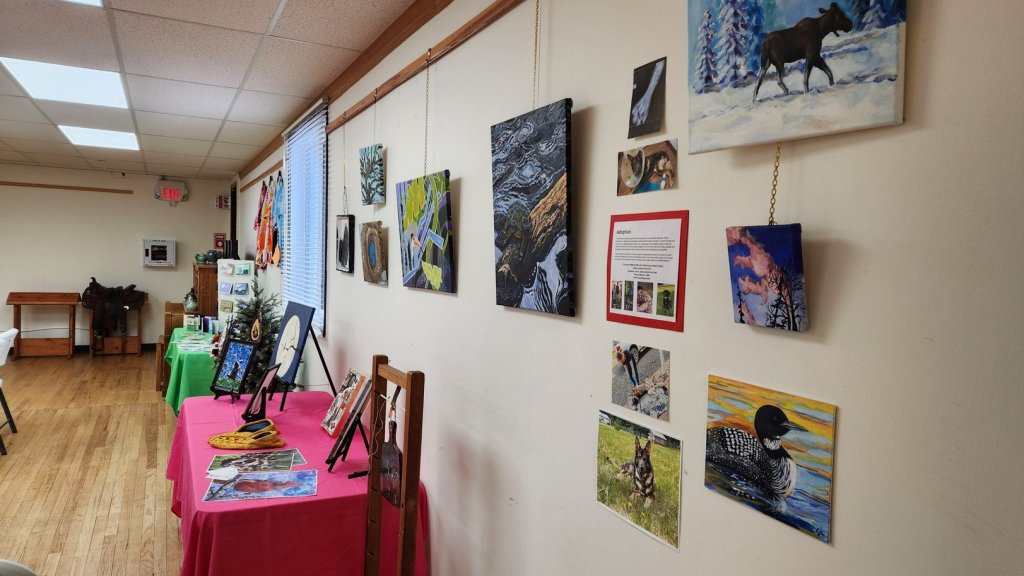
I helped spearhead the Art for Animals Gallery Fundraiser and we learned so much from that. It wasn’t just about the money, it turned into this amazing opportunity to connect with the public about what ACT does. We reached a lot of people and taught them who we are and what we do. We had students come through the gallery and learn about art and our cause. For the amount of work and time it took, it wasn’t exactly the most profitable fundraiser but it turned out to be so much more than a fundraiser. I’m really proud of this one.

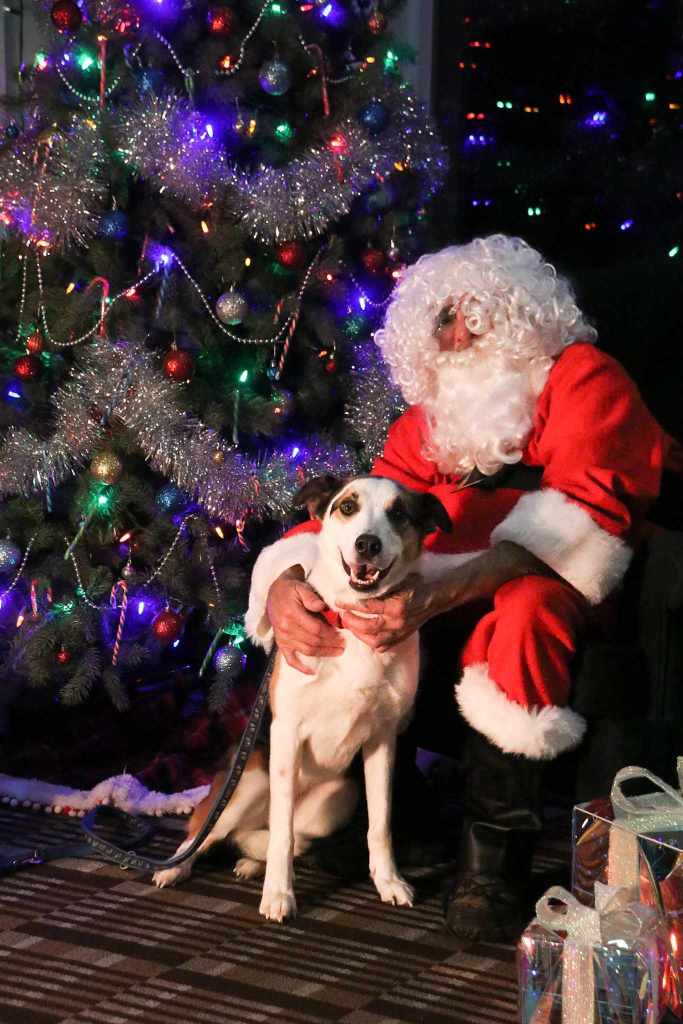
Last Sunday we had the first Annual Santa Photos fundraiser; which was so much more than just Santa Photos! We also had a little Christmas pet shop, nail trims by Katie, Dog Training Consultations by me and live music by Natile, as well as a few cool door prizes! We raised $790 and had a total blast meeting everyone and their furry family members. I think with more time to plan it next year we will bring it back next December, even better!

At our last ACT meeting we established the roles we would all like to play. I am now the Humane Education Coordinator. I joined Doggone Safe and am currently enrolled in a course so that I can be certified to teach dog bite prevention. I’m about halfway through it, as I write this, and I’ve learned so much already. It’s a very thorough course and I highly recommend it to any dog enthusiasts or anyone who works with dogs. I have plans to upgrade my education with more than just bite prevention as well. With these upgrades, I can’t wait to bring more humane education programs to Fort St. James in 2025.

I will be closed from December 19, 2024 until January 7, 2025. Happy Holidays!

FSJ ACTS will be closed from December 21, 2024 until January 2, 2025.

July Update

Dog Blog, Dog Rescue, FSJ ACT, FSJ ACT, FSJ Dog Training, Monthly Update, Pack in the Park, Puppies in the Park, update

Apparently, after promising to at least commit to the monthly updates I completely skipped June. I really didn’t have a whole lot going on in June, to be honest. My group class (that only had one person) ended in the beginning of June and then I just focused my time on my family for a little while.

Dog training picked up in July and I’ve been semi-consistently busy this month. LOTS of puppies! Which is always fun, I love working with puppies (I mean, who doesn’t?).

FAVORITE NAME FOR JULY

I feel like I should say my favorite name for July is Nova, since that is my youngest daughters name, but I sorry Nova, I think I have to go with Mungo for my favorite dog name of July. It’s honestly just so fun to say. I’m not sure if it has any sort of meaning behind it, I really should have asked the owner. But it doesn’t even have to have any sort of meaning, it’s just fun to say.

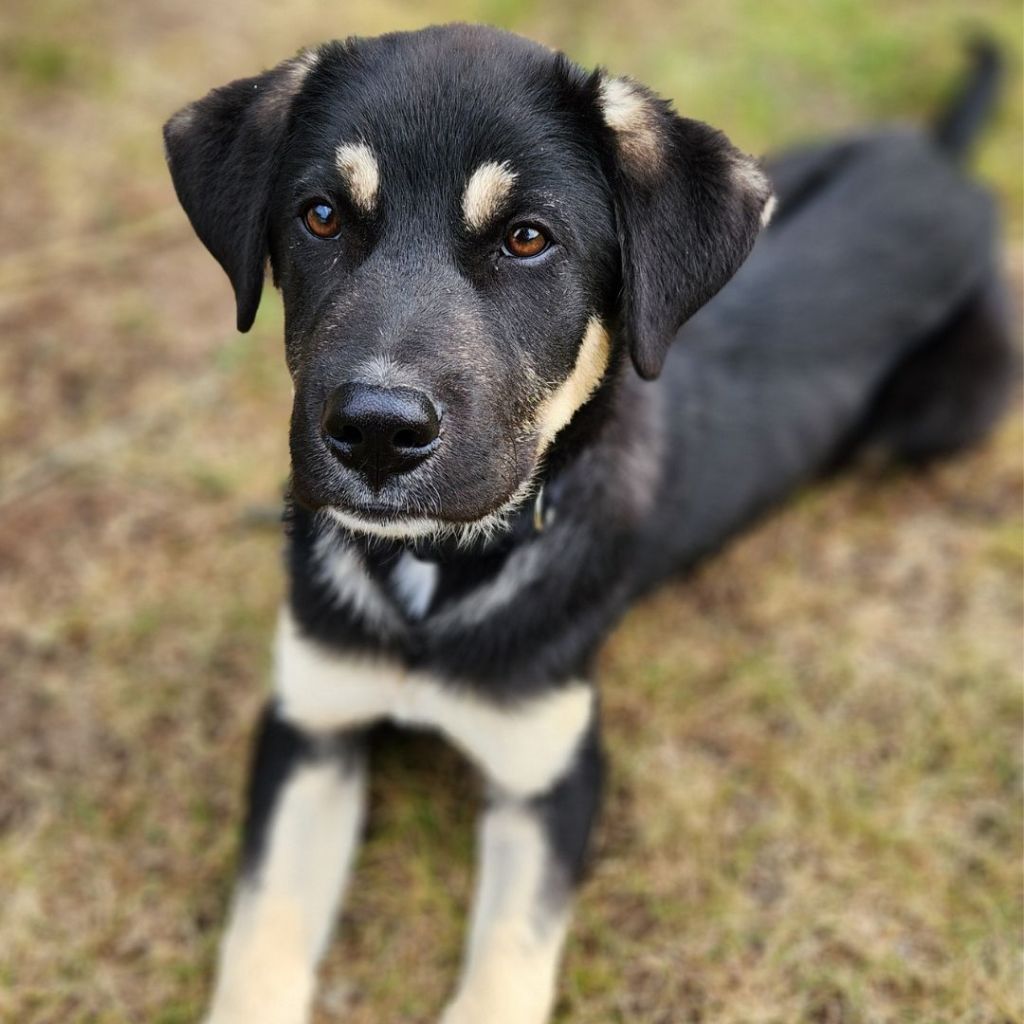
Mungo is one of the puppies that our Animal Care Team took in. In our care, his name was Dusky. He was a foster fail, and his new family just adores him and gave him the name Mungo. Which I think really suits him.

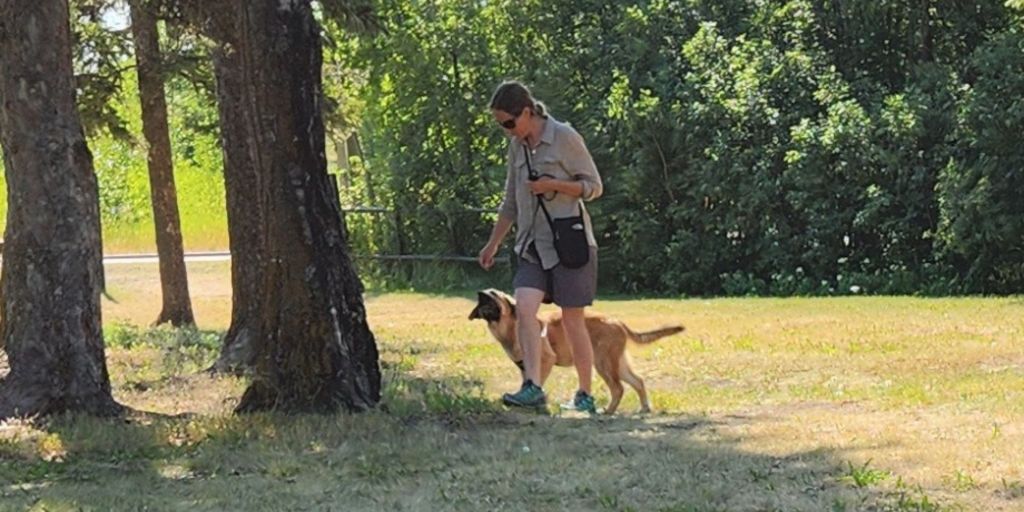
I didn’t get any photos of Mungo during our training session, but I did get the above photo of Mungo and his owner working beautifully together during Puppies in the Park.

FSJ ACTS UPDATE

FSJ ACTS officially has Society status now, which is so exciting. It means we will have access to a lot more funding. Unfortunately, we are still not a registered non-profit and can’t issue receipts for tax purposes, but with society status we will be able to help the animals just a bit more.

On July 7th I picked up my foster puppy Boss. FSJ ACTS has lots of puppies looking for homes that are currently in foster care. We have an awesome team of volunteers to help with kennel duty, but we wanted to give our volunteers a break and give our puppies a chance to learn how to live life in a family and home environment.

Boss has fit in really nicely. Zelda wasn’t too sure about him at first but he slowly grew on her and now they are Besties. He’s great with my two girls (7 and 2 years old) and is learning not to steal snacks or toys. He’s learning a lot of things in our house and I’ve given him a slow adjustment to house life. To make this easier for him to learn the rules (especially for house training) I have kept him on leash in the house a lot of the time. He gets leashed to either myself or a study piece of furniture so that I can keep him within eye sight at all times. He’s also been introduced to the cats. My older cat Jarroko has been extremely patient and the best cat to teach him the ropes about cats. My poor younger cat Alice is terrified of him and has been living behind the hot tub for the last couple weeks.

Boss knows how to sit, down and “go kennel”. He’s learning to sit at doorways and gates (this is very tough for him), he sits for his meals and he sits to be leashed. He is a very sweet boy who loves people and wants to please. This makes him quite trainable. He has the sweetest disposition and loves catching a nap in a good sun patch. Boss is also really great on leash and responds well to loose-leash training.

If you’re interested in adopting Boss, please let me know if you’d like to arrange to meet him!

FSJ ACTS FUNDRAISERS

For the month of July the Fort St. James Bottle Depot collected donations for FSJ ACTS. The total raised in the month was $1,000. Thank you SO much for your generosity. This money will go towards our vet bills.

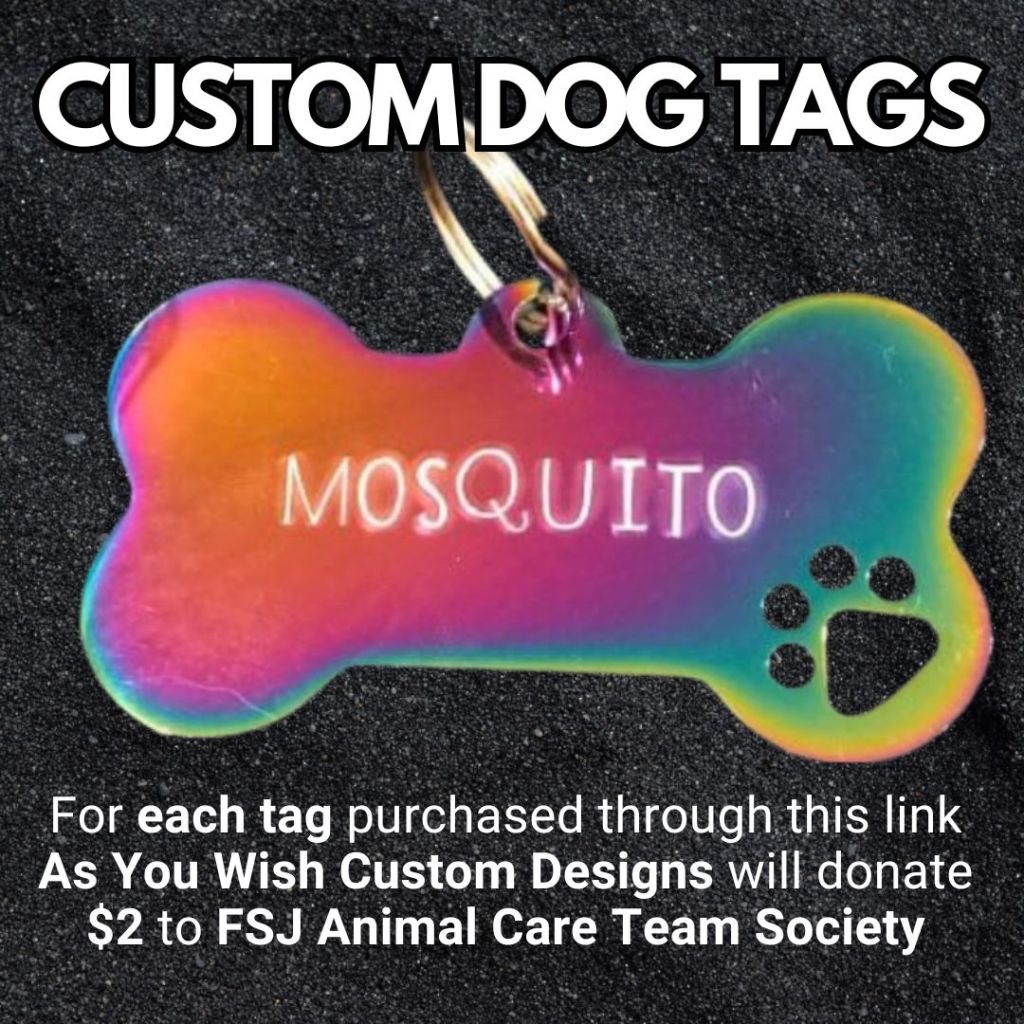
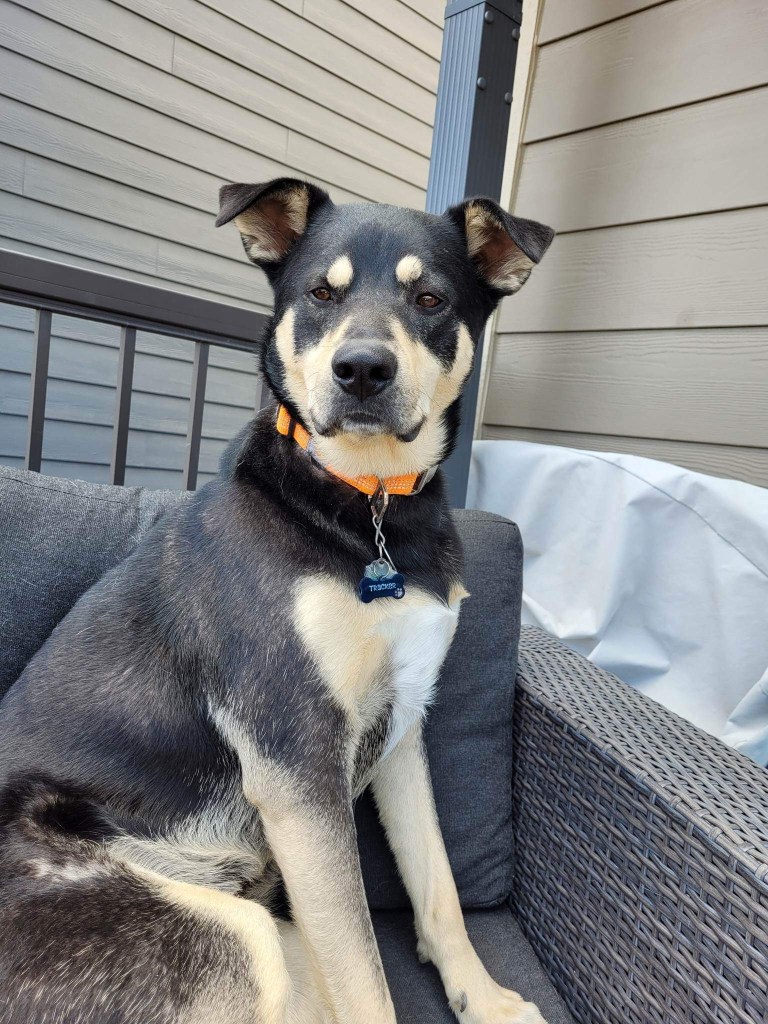
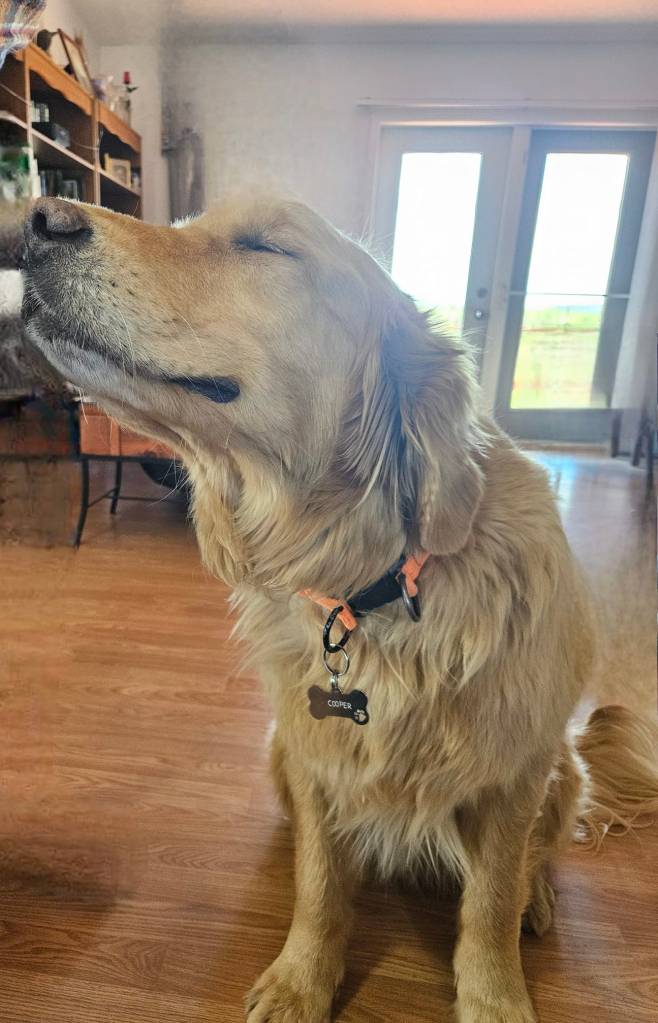
There is a fundraiser through As You Wish Custom Designs (based in Prince George) where $2 for every purchase goes to FSJ ACTS. FOLLOW THE LINK to order yours! Here are some handsome pooches with their stylish custom tags…

PUPPIES IN THE PARK

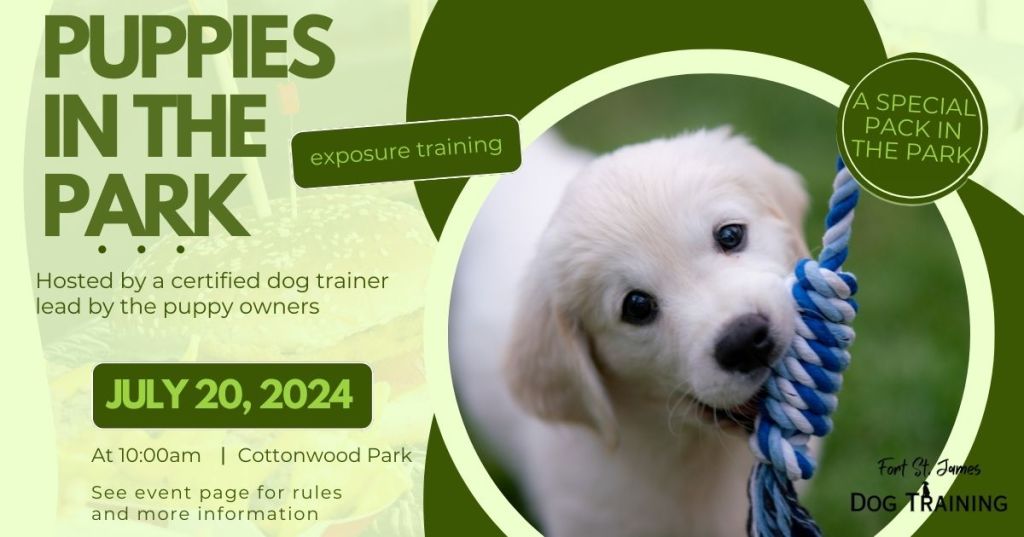
On July 20th I hosted the first Puppies in the Park; a spin on our classic “Pack in the Park” but it was for puppies up to 10 months old (who have been vaccinated). There’s a lot of fear about Parvo (and for good reason) so I had a lot of interest but a lot of puppies who aren’t vaccinated enough yet to attend public dog events like this. I had a couple of people attend and it was a blast of course, puppies always are, but there is a definite need to do this again next month once more puppies have had their shots.

I’ve had tons of people ask me about when I’ll do another Pack in the Park and I decided to create a texting list for those who want to be notified when the next Pack in the Park is happening. If you’d like to join this list, please let me know.

Dog Training: Watch Me

Dog Blog, FSJ Dog Training, GUIDE 5: DOG TRAINING, Training

Definition: look at my face/eyes

Command Variations: “watch”, “look”, dog’s name

Behavior: dog looks at you

Use: once you have a moment of your dogs attention on you then you can give the next command with a better success rate

I have been moving more and more towards using a dogs name for this command instead of “watch me”. Using the dog’s name to get their attention is a natural response for most people and it just makes sense to train it to your dog this way.

Once you have your dogs attention on you it’s much easier to redirect them to something else and give them the next command. You will have a higher success rate with your commands when your dog is paying attention.

How To Train “Watch Me”

Training your dog to look at you is actually really easy. Like all training, it requires consistent practice. Start in a low-distraction environment like a quiet room in your house. Decide which command you’re going to use first and stick with it. Make sure it’s a command everyone in the household will use. In this example we’ll be using the dogs name.

Give your command, “Fido” and then hold a treat next to your face at eye level. When your dog looks to your face cue the action as correct using a clicker or a cue word like “YES” and reward your dog with the treat. Repeat, repeat, repeat. Keep practicing until you feel your dog is looking to your face without the lure of the treat.

Add Distractions

It’s important to always gradually add distractions when training any new command. Once your dog is understanding without a lure in a quiet room move on to a less quiet room. Start throwing in distractions of other people, animals, and different places. You can test your dog out by throwing a small box across the floor, have someone else blow a whistle, push a chair past the dog, throw a toy etc. There are endless ways to test your dog out. Create the distraction and then give the command. If your dog struggles to perform the correct behavior then you need a bit more work in the quiet room or with a less distracting challenge. Slowly build those distractions inside your home and then try outside your home. Try in your yard and then move on to a local park, beach, down town etc. If your dog struggles with the new level of challenge then you need to take a step back and work a bit more at a lower challenge for a while before moving on.

Dog Training is Not For the Weak

Dog Blog, FSJ Dog Training, GUIDE 5: DOG TRAINING, Real Life Training, Training

All dogs need training, regardless of what type of home they’re in or what their purpose might be. Not all dogs require the same level of training, but any dog living with or working with humans needs training to help communicate to them what the expectations are.

Dog training is “not for the weak”. It takes time, patience and endless repetitions. My husband gets annoyed with me training the dog around him because it is annoying to listen to if you’re not involved in it. It is repetition, repetition, repetition. People tend to look at me like I’m crazy when I tell them that to have a reliable recall you need to go get your dog EVERY time they’re not listening. Rain or shine. Shoes or no shoes. GO GET THEM. Consistent training requires dedication. If you don’t go get them every time they’re going to think “this time I don’t have to listen right away” or even “I don’t have to come back, they’re not coming to get me”. You let them get away with it before, so why not this time? No, you go get them every time and every time they’re going to think they’d better listen or you’re going to come get them anyway.

BE CONSISTENT

Another great example of how dog training is not for the weak is when you teach your dog a place command during your meal times. It’s very important to be consistent and reinforce the behavior whenever your dog moves from her place. This means that you will have to get up multiple times during your meals until your dog learns to stay in her place. You may end up with some cold meals for a few days, but in the long-run you will have hot meals you can enjoy without your dog begging or surfing for crumbs under the table.

Consistency is the key to dog training. Once you decide what behavior you don’t want (or do want) from you dog then you need to follow through every time to show them what they need to be doing. Every time you let it slide because you’re tired, don’t care, or have had enough then you’re making it harder for yourself next time you do have the energy and desire to follow through. It also makes it confusing for your dog when you’re not consistent. Follow through every time and it will get easier. You won’t need to correct the behavior as often and eventually you’ll find you don’t need to correct it at all. It takes a lot of self discipline to have a well-trained dog.

BE MORE SUBORN THAN YOUR DOG

Just like people, not all dogs are the same. You may have one dog that is so easy to train and another that is more difficult. One of these dogs is not better than the other, they each may require different approaches to training. As the trainer, you need to figure out what it is that will work for you and your dog. This is why I do a consultation before a training session with my clients. I need more information before our session so that I have time to figure out what will most likely work for that dog. Even with that information and planning I still sometimes find myself thinking on the fly trying to figure a dog out. My plan doesn’t always work. They are unique individuals who can’t speak our language to us. Training often takes a little bit of detective work.

Once you find what works, you then have to be incredibly consistent to communicate to your dog exactly what your boundaries and expectations are. Every single time your dog is surfing for crumbs under the table when you’re eating dinner you will put him back to his bed. Every single time she is barking at the fence and won’t come to you then you will go get her and bring her back to the spot you called her from. Every time they jump on a house guest you will correct the behavior with a sit. If your dog thinks you won’t always enforce the rules they will think they’re free to push those boundaries to figure out just how lax you will be. They start making up their own boundaries and expectations. You have to follow through every time to let your dog know you mean it. You will not play any silly games about it.

The only time you shouldn’t follow through on correcting your dogs unwanted behavior is when it is unsafe to do so. For example, when he runs into a busy highway it’s not wise to blindly chase after him. Maybe you have children with you and you can’t leave them or take them with you safely to pursue the dog. Things happen, sticky situations occur. The best way to avoid those is to be preventative. Leash your dog with a well functioning collar and leash. Work on their obedience often and add in distractions as they get better at it. Proof their training when they’re ready for it and add more and more levels of challenge.

BE DEDICATED TO TRAINING YOUR DOG

If you want a well-trained dog you have to dedicate your time and effort into training your dog. You need to prioritize your dogs training. When you schedule a training event with your dog then you need to make sure it is marked on your calendar. You don’t wait to see what you’re doing because this is what you’re doing. You are training your dog.

Having a well-trained dog takes dedication. It takes time, patience, persistence, consistency and time to creating a strong bond with your dog. Every dog should have training. Think about these two truths together: training a dog takes all of this work and dedication and every dog needs to be trained. This means that if you want to own a dog you need to be ready to dedicate the time and energy it takes to train them. If you’re not ready for that you shouldn’t have a dog. This may be a controversial opinion for some, but if you can’t provide the care an animal deserves then you don’t deserve to have the animal. I understand that things happen. People lose their jobs, their homes or illness/injury may happen that prevents them from providing proper care (which includes training). I totally get that life is not black and white and I make room for “shit happens”… but if you are thinking of getting a dog right now and you know you can’t dedicate this level of training then you should reconsider if a dog is the right pet for you. In the very least, make sure you heavily consider the type of dog you get. Some breeds of dog require way more time and energy than others. Some dogs are more difficult to train, some need constant physical and mental stimulation. Do your homework before getting a dog and make sure that the type of dog you choose is suitable to you and your lifestyle.

BOARD AND TRAIN

Some trainers offer “board and train” which is where the dog is boarded with the trainer for an amount of time and the trainer works with the dog every day in a home environment. This may be a great arrangement for some dogs with certain problem behaviors, but when it comes to the average dog I strongly believe the best person to put the work in is the dogs owner.

Training is a way to communicate to your dog what you want from them. It’s also a good way to teach your dog to communicate with you so that their needs are met. Teaching a dog to ring a bell or bark to be let outside is way to train them to communicate with you. Some people go as far as to train their dogs to push buttons to actually talk to their humans (seriously, check it out; it is cool to watch). You don’t have to go that far with training your dog, but you should at least train the 5 basic commands: sit, down, stay, heel and recall (come). With those basic commands you can help your dog navigate your world in a way that is safe and acceptable.

The good news is that you won’t have to dedicate this level of training into your dog for their entire life. Once they understand the rules you set and once they learn that you will always follow through, they will test those boundaries less and less and respond desirable, more often. You will have a well responding dog eventually. You will still need to follow through should they forget the rules or decide one day to test you, but it won’t be as often as when you first started training. You won’t be running bare foot through the snow for the rest of your dogs life (and hey, throw some shoes by the back door if you’re really worried about that one). Training is a commitment for your dogs entire life, but the most important is the foundation you will set early in your training.

You should want to train your dog yourself. Training your dog builds a deep bond with your dog. Dogs are “mans best friend” because of their devotion to us. You will never find a human who loves as unconditionally and as forgiving as a dog. You owe it to them to teach them how to live in our world in a way that is respectful and kind. You owe it to them to socialize, raise, and train them in a way that they will understand.

ARM YOURSELF WITH KNOWLEDGE

You also owe it to your dog to take the time to learn their language too. You are different species living in cohabitation. If you expect your dog to learn the rules of the house then you’d better also learn your dog’s basic language. It is an art in subtlety; the way dogs communicate; and it will take time to learn and time to submit it to practice.

Hiring a dog trainer to help you is a great place to start. You can also start looking online, as there is a wealth of information there (although I do have a word of caution: you have to learn to tell what is right from wrong). You can start with my blog post about teaching kids warning signs from dogs.

I always try to be open to different training methods because I never know when that knowledge will come in handy. Dogs are individuals with individual personalities, breed traits, and thoughts. Dogs are emotional beings which will often shape their perception of the world. Understanding all of this, it’s no surprise that there are so many different training methods. As long as the method is not harmful, it should be considered as part of the “training tool inventory”.

Hiring a dog trainer can help you navigate this big world and find what will work best for your dog. Once your trainer has helped you get started it’s up to you to maintain that training and apply it to your every day life.