
March Update

Dog Blog, Dog Rescue, FSJ Dog Training, FSJHS, Monthly Update, Pawparazzi Pet Services, Training, Trick Training, update, Zelda

I was going to post something different this week; I wanted to post a blog I have written about what to expect from Fort St. James Dog Training. It covers everything from first contact to the consultation, session and follow up. However, since I missed posting the last two weeks that bumped us into the middle of the month faster than I expected and it’s time for another monthly update! The post I had planned for today will instead be bumped to next week.

So far, the month of March has been pretty quiet. My family have just been battling one cold after another. I think I spoke too soon when I said we got away with less sickness this winter than last and the germs are trying to show me to put my foot where my mouth is. It’s like we suddenly got hit with all of it in one month. Which is why I missed posting the last two weeks.

In February I had set the goal of doubling the amount of dogs I trained vs the month before, and I not only met that goal but surpassed it. I knew that setting a similar goal for March would be unrealistic as I just don’t have enough available hours for training to work with 20 dogs in one month. I’m fine with that, sometimes we need our goals to be realistic so that we don’t become overwhelmed in reaching them. I’ve trained a handful of dogs so far this month and each one is always so special to me. Even if I only trained one dog in the month I’d still consider it a success because I was able to help someone with their dog. After all, that is what I’m here for.

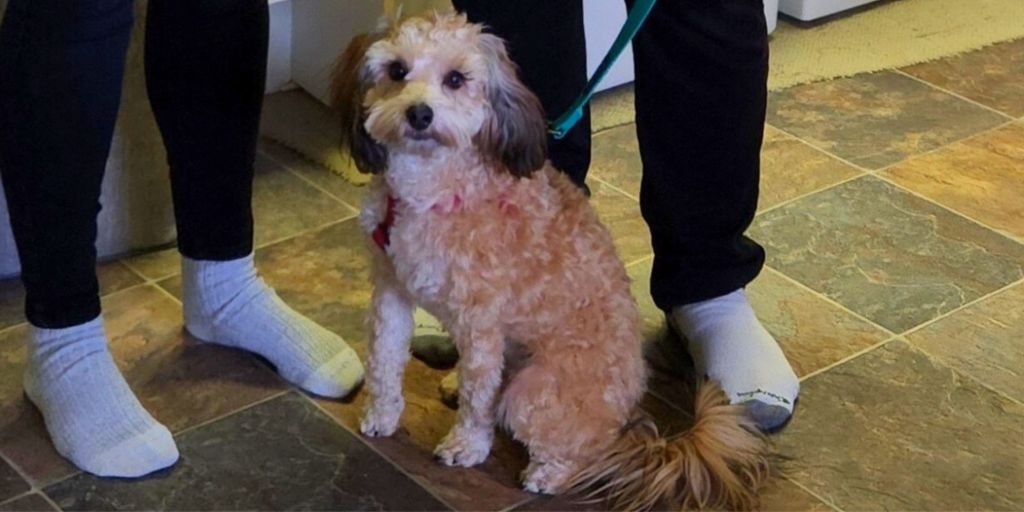
Favorite February Name: Tyrion

One of the many little delights I’ve found in dog training is learning what people name their dogs. My favorite dog name from February was a sweet little dog named Tyrion. As a Game of Thrones fan, this name is an absolute hoot (especially on a small dog).
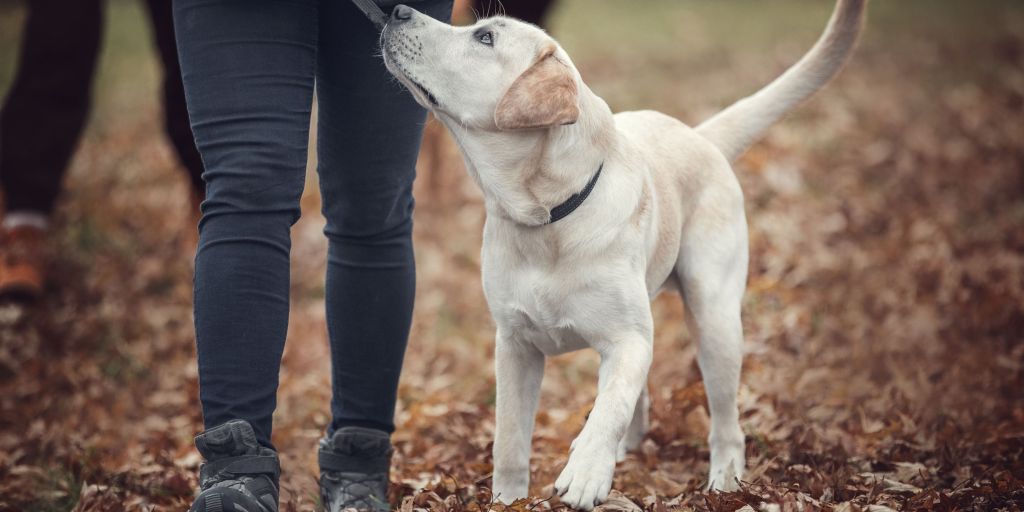
Tyrion’s owners were also very enthusiastic about training; they are working hard to reach their training goals and I loved seeing them attend Pack in the Park and really put in the work. Way to go guys!

A close second was a corgi named Kevin.

Business License

Fort St. James Dog Training was supposed to start as an official licensed business March 1st. I was sick leading up to March so I didn’t get a chance to get to the District Office before March 1st but went in on the day of. It was my experience (from eons ago) that you could get a business license the same day. I even downloaded their form from the District website and filled it out beforehand to save time. When I brought it to the office I was met with a lot of confusion. I was told they couldn’t do it that day. When I expressed my surprise, I was told ” yeah, we have to do it the right way now.” I was a bit shocked at that answer. “You weren’t doing it the right way?” I asked and the answer I got back was “no” and then a mumble about high turnover. So I think maybe the people at the office just didn’t know how to do it? I was told they’d be in contact with me after looking it over. It’s been almost 2 weeks since I dropped it off, how long does it take to look over one sheet of paper? I phoned this morning and was told they e-mailed me, but I never got it. I don’t understand why they didn’t phone. I feel like people have lost the art of the phone call these days (does complaining about that make me old?). They needed my registration number and I don’t understand why that wasn’t an option to fill out on the application. At any rate, I am annoyed and I have to say, after that experience I’m really not left with a lot of confidence in our District workers.

animal welfare updates

Our little group has been working really hard to re-establish the Fort St. James Humane Society. We’ve dotted most of our i‘s and crossed most of our t‘s but there’s still a few little things to work out so we’re keeping our rescue missions on the down low until they are finished so that we don’t become overwhelmed. There are a LOT of animals needing help in our community and a lot of owners who need help with their animals. It’s going to take time to really start making an impactful difference.

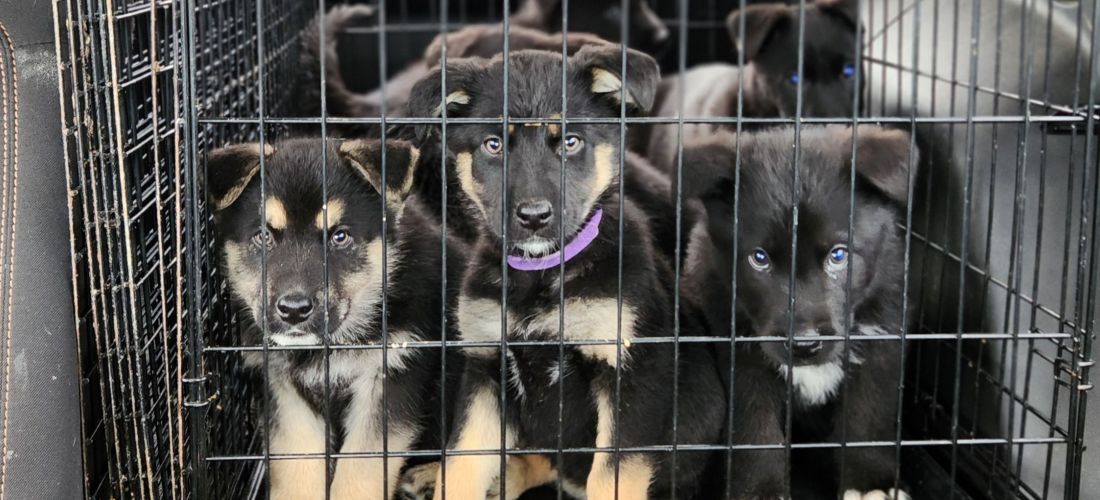
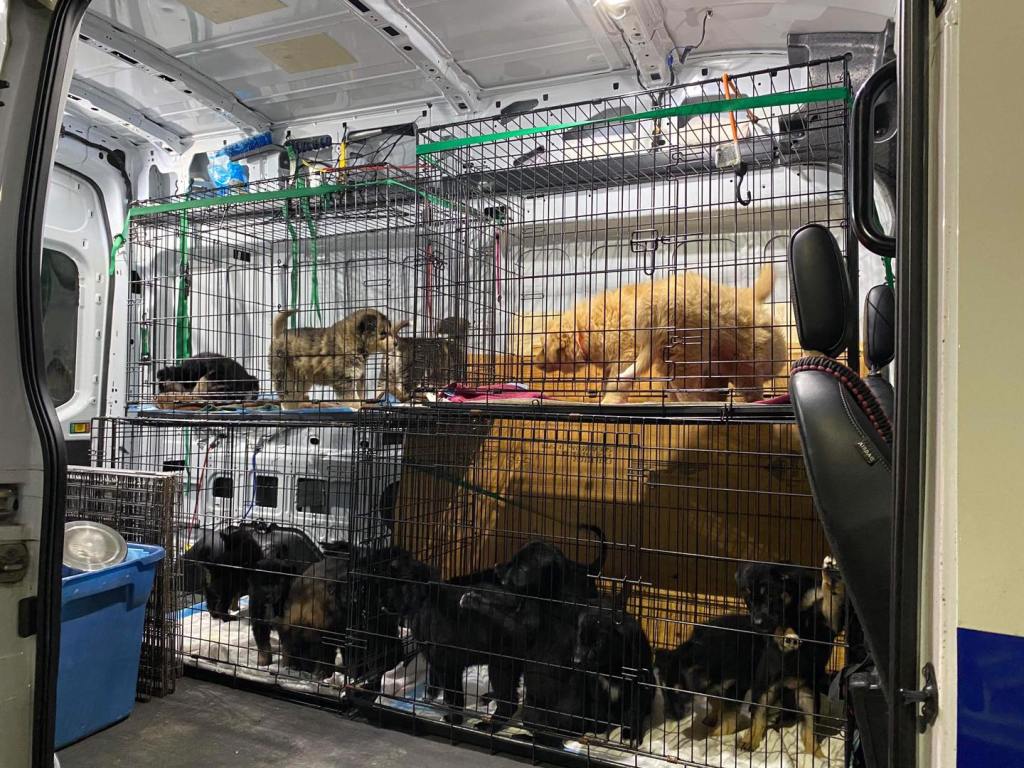
Last week we executed our first big rescue mission since re-assembling an Animal Care Team. It was a drop in the bucket of a larger issue, but we changed the world of 17 puppies and that’s amazing. People from difference communities all came together to make this mission a success. In honor of an Animal Care Team member who passed away recently, we named this first rescue Mission Chantel. Chantel loved animals and really wanted to see our efforts in animal rescue be successful.

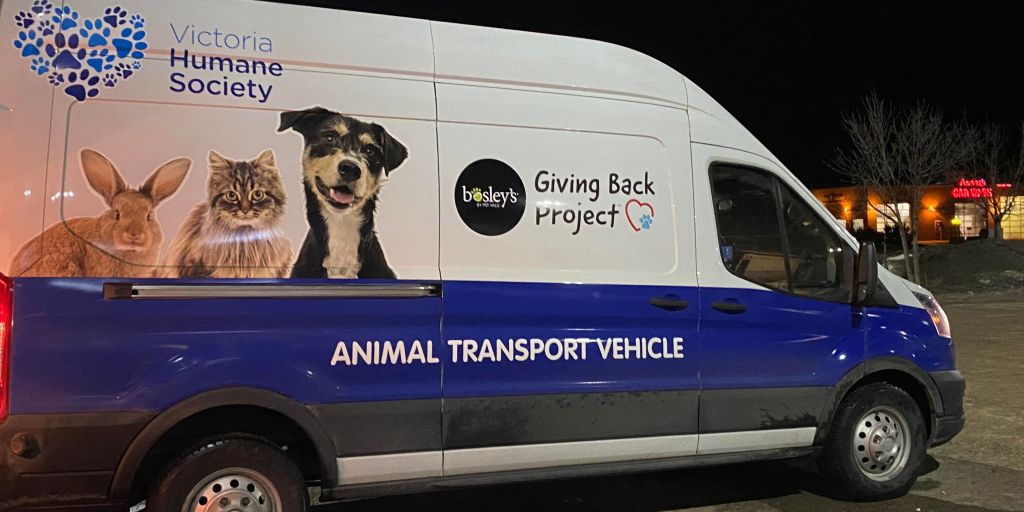
One Saturday, March 9th, 16 puppies (one ended up being adopted by one of our members) were loaded up and transported to Quesnel, where the Victoria Humane Society transport driver met our driver with their beautiful van and the 16 puppies were transferred from one vehicle to the other. VHS drove them back to Victoria where they were all quickly bathed, vetted and placed in foster homes.

As I said, a lot of people were involved in this rescue mission and it went quite smoothly and I would say was a total success! A huge thank you to the people who worked hard to orchestrate the whole thing and cared for these sweet little babies while they waited for transfer. This mission would not have been successful without everyone who played a part.

You can learn more about Mission Chantel on Facebook here and here.

If you would like to be a part of the solution get in touch with the Fort St. James Humane Support Group and see what you can help with! One thing we never seem to have enough of is foster homes. Since we don’t have a physical building to house animals, we need people to open their hearts and homes to house any animals we take in. If we don’t have a place for them to go, we can’t help them.

Novice Trick dog

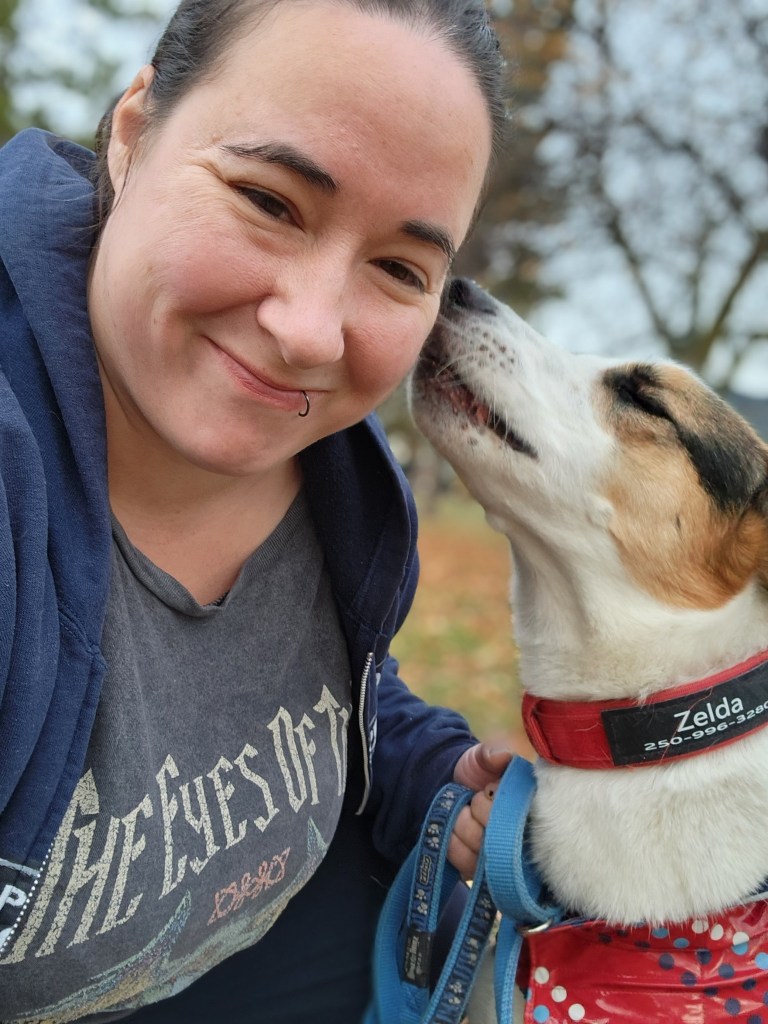
One of my goals with Zelda is to get her a Novice Trick Dog (NTD) title. I love training tricks to dogs. I love the way they need to be broken down into different behaviors that you then shape together.
Trick dog titles can be obtained through Do More With Your Dog. For a NTD you need 15 tricks to be evaluated by an evaluator either online via video or in-person. Some basic obedience counts and advanced and expert tricks count as two towards the NTD. For more information, check out their website.

Zelda’s trick list currently consists of:

(1) sit

novice

(2) down

novice

(3) shake hands

intermediate

(4) sit pretty/beg

intermediate

(5) spin circles

novice

(6) roll over

intermediate

(7) leg weave

intermediate

(8) center

novice

(9) stay

novice

(10) touch hand (nose touch)

novice

(11) focus (watch me)

novice

(12) drop on recall

advanced

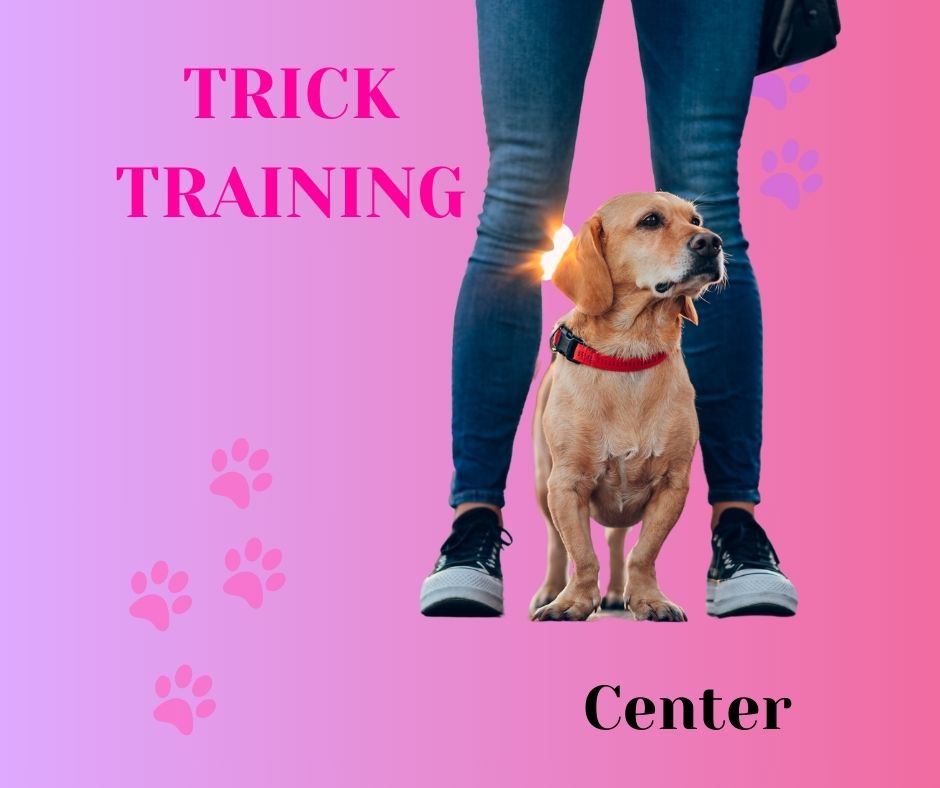
Trick of the Month: Center

Definition: Come from behind and stand between the handler’s legs (shoulder to knee)

Command Variations: “center”, “peekaboo”

Behavior: Break down into two parts: dog stands between your legs and dog moves from in front to behind you

Use: To position a dog where you want them

This trick doesn’t have a lot of practical use, but is a fun extra to train your dog. It can act as a party trick or can come in handy when participating in dog sports, such as dog agility, where you want to get your dog set up in a specific spot to start.

How To Train “Center”

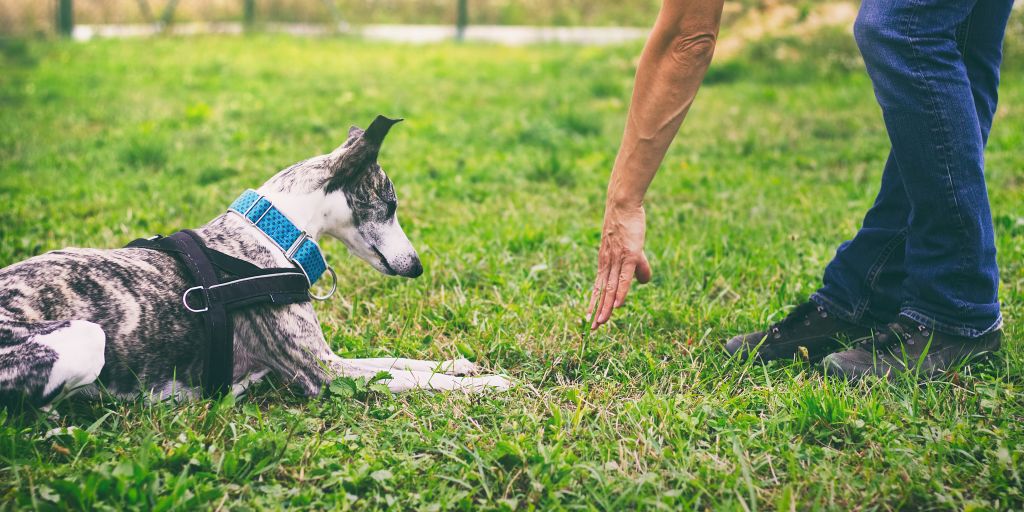
Stand in front of your dog but facing away. Bend down and hold a treat in one hand and motion with your hands for your dog to come through your legs. As soon as the dog is in position reward them. Keep practicing until you feel like your dog understands to stand between your legs. Start connecting your command with the behavior.
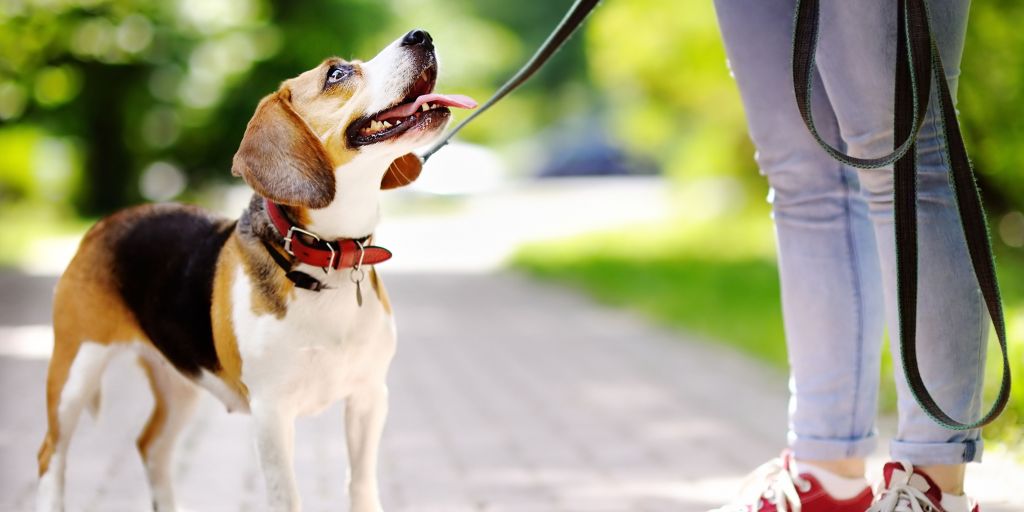
Next you will need to teach them to go to that position from anywhere and facing you from any direction to start. Since you started teaching this trick with your dog behind you, gradually start to turn your body so that they’re approaching from the side. Practice many times until your dog is doing it smoothly. Try again after turning your body a bit more and continue to train this way until you have turned enough to be facing your dog when the command is given. The dog must go around and then get into position from behind you.

Add Distractions

It’s important to always gradually add distractions when training any new command. Once your dog is understanding without a lure in a quiet room move on to a less quiet room. Start throwing in distractions of other people, animals, and different places. You can test your dog by throwing a small box across the floor, have someone else blow a whistle, roll a ball past the dog, throw a treat etc. There are endless ways to test your dog out. Create the distraction and give the command, “center” and if your dog struggles to look at you despite the distraction then you need a bit more work in the quiet room or with a less challenging distraction. Slowly build those distractions inside your home and then try outside your home. Try in your yard and then move on to a local park, beach, down town etc. If your dog struggles with the new level of challenge then you need to take a step back and work a bit more at a lower challenge.

Dog Reactive vs Dog Aggressive

Dog Blog, Pack in the Park

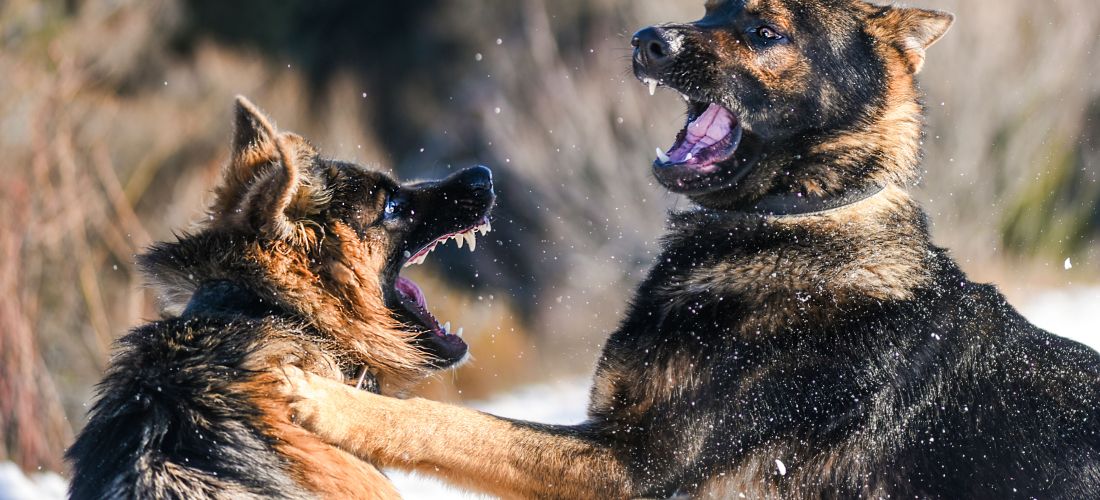
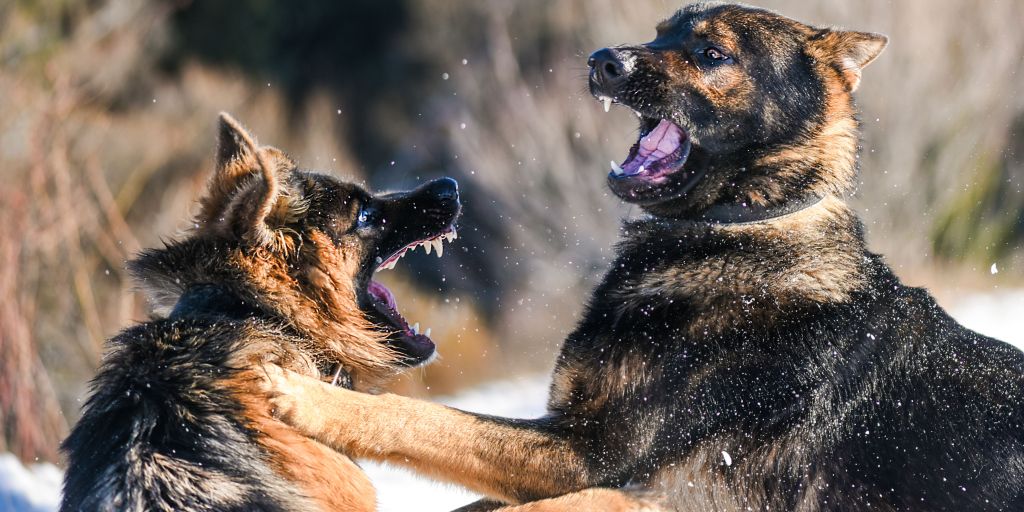
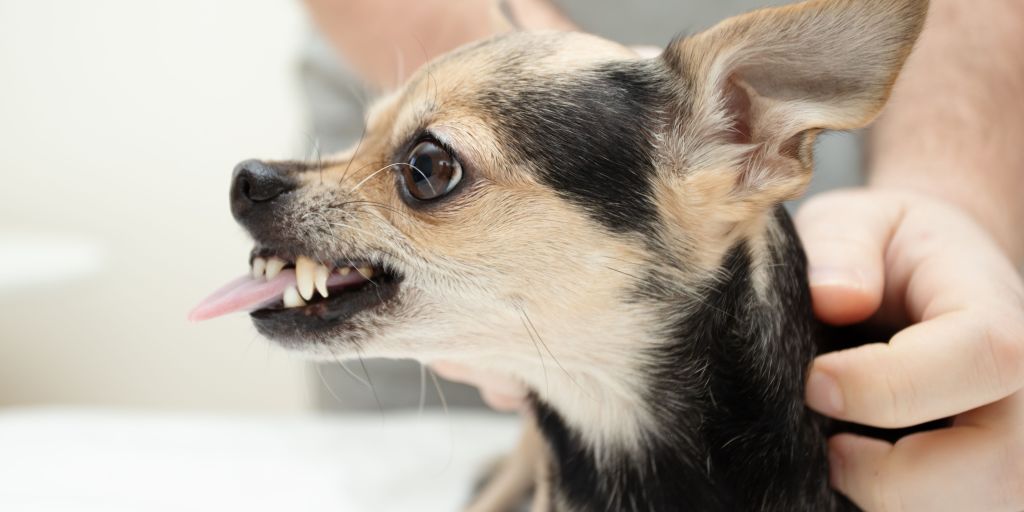
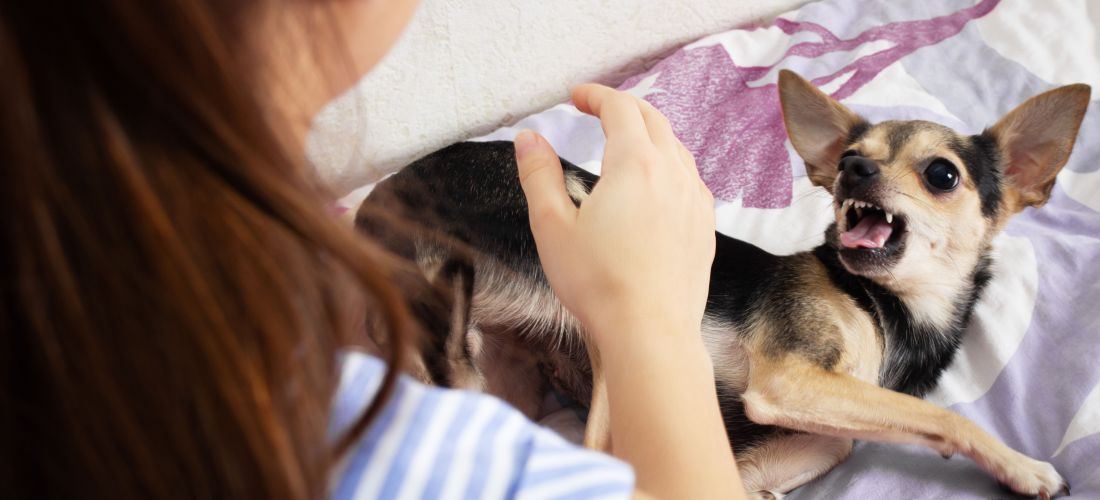
Dogs who are dog aggressive can be dog reactive but it doesn’t mean all dog reactive dogs are aggressive. Aggression is really the intention behind the behavior, whereas reactivity is the behavior itself, and therefore there is all kinds of intent behind reactivity.

What is Dog Aggression?

Dog aggression is when what fuels a dogs behavior is the desire to act aggressively. They want to attack another dog because they enjoy the act of attacking. Dogs who are acting aggressively will often bark, growl, snarl, lunge, hold their tails high and actually wag their tails. Something in their brain has been wired to enjoy the aggressive act. The chemical release in their brain is so rewarding when they bite, shake, tear etc that it encourages them to keep doing it. They just enjoy it.

One often missed signal is a dog wagging it’s tail when it reacts aggressively. People often think “he was wagging his tail, he wasn’t being aggressive” but the reason he was wagging his tail was because he was enjoying being aggressive.

It’s been my experience that most dog’s aren’t truly aggressive but instead fall somewhere under “reactive”.

What is Dog Reactivity?

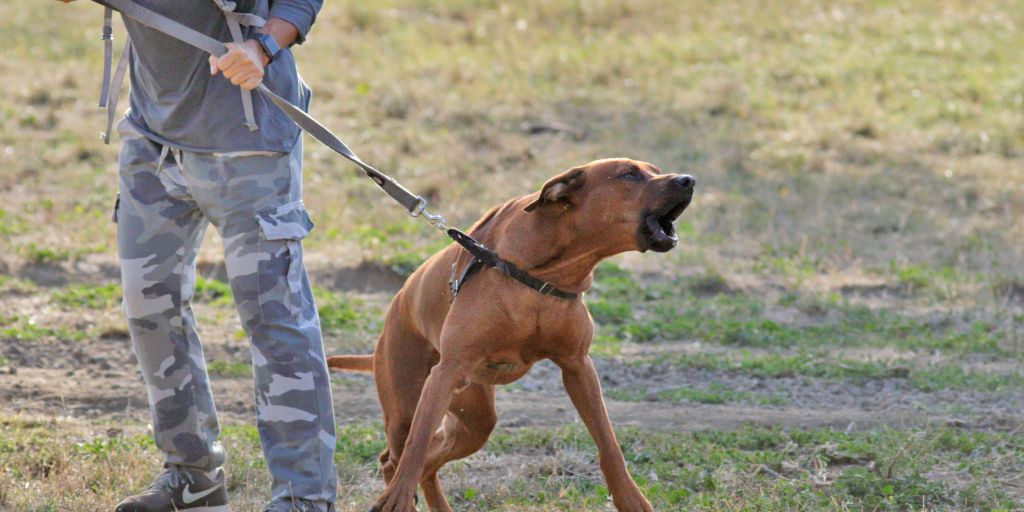
A reactive dog is one that doesn’t behave ideally when encountering other dogs, people, animals etc. A dog reactive dog will react in an undesirable way when it sees another dog. This behavior can widely vary from nervous behavior, i.e.; cowering, pulling away, rolling over, barking, and under pressure may result in a growl and eventually if pushed hard enough, a bite. There is a wide scale of dog reactivity and not all dogs will react the same.

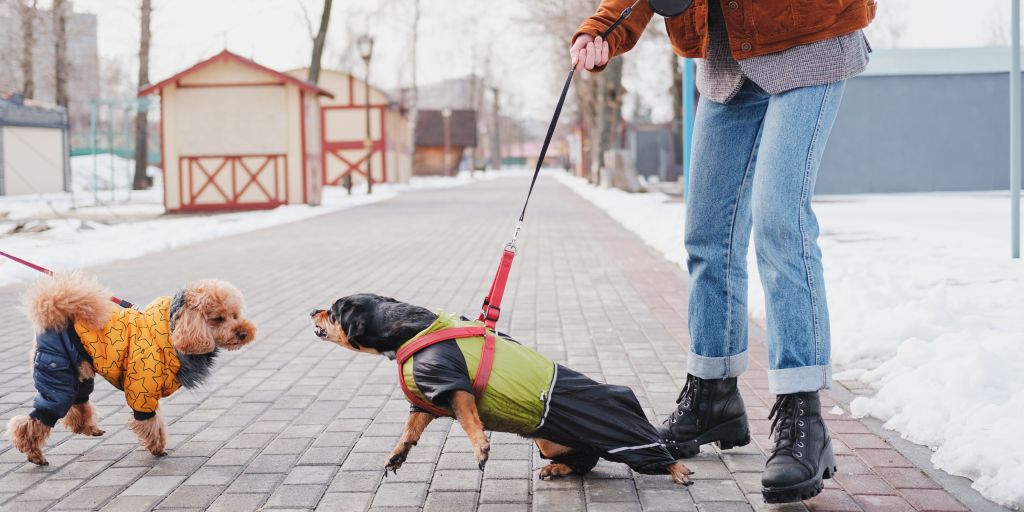
Some reactive dogs just have no clue how to greet another dog. They get way too excited at the sight of another dog. They just want to get to them, they want to introduce themselves and become best friends. These are often the “my dog is friendly” types. The dog is friendly but way too exuberant. If on leash this can display in loud, obnoxious behavior, i.e.; jumping, barking, lunging, screeching/screaming, dragging the owner etc. When off leash these dogs bound up to everyone they meet, whether anyone else wants to meet them or not. They don’t take social cues from other dogs, they don’t seem to understand canine etiquette. They push their friendship on everyone.

Then there’s a whole myriad of dogs in between who may react in different ways when encountering another dog on a walk. Basically, any behavior other than walking calmly at their owners side is considered “reactive” behavior.

A Growl Doesn’t Always Mean Aggression

A dog’s growl is a form of communication. It doesn’t always equal aggression. In fact, really aggressive dogs don’t waste their time with a warning they just go straight to their aggressive behavior. A growl is just that; a warning. It is a way for dogs to communicate that they don’t like what someone else is doing. It’s their way of saying “I don’t like that, please stop”. A growl doesn’t indicate aggression. In fact, I think a growl is a very important tool.

If you punish your dog when they growl you are essentially teaching them that their voice doesn’t matter. You should never punish a growl. If a growl is punished enough, the dog will stop using it. They will go straight from feeling uncomfortable to biting. They will skip the warning because you’ve taught them their warning is bad. Any dog, if pushed enough, can react with a bite. Most of those dogs would rather give a warning growl firsts before resorting to a bite though.

Don’t punish a dog for growling. Instead, take it as the warning that is is, and respect your dogs wishes. Remove them (or the other dog, or whatever it may be that they growled at) and bring them back to a space (both physically and mentally) where they feel safe and secure again. Respect the growl because it’s the most respectful thing your dog can do when they’re feeling cornered, scared, or uneasy in any way.

How to Deal With Reactivity

The best way to overcome your dogs reactivity is to slowly expose them to more and more to the things that they react to. You want to do it at a distance that allows your dog to be comfortable. They may show curiosity but they shouldn’t be barking, lunging, pulling etc. If they are reacting that means you need to put more distance between them and the stimuli (the dog they’re reacting to). Move to a distance they are comfortable with and then praise and refocus them with basic obedience training.

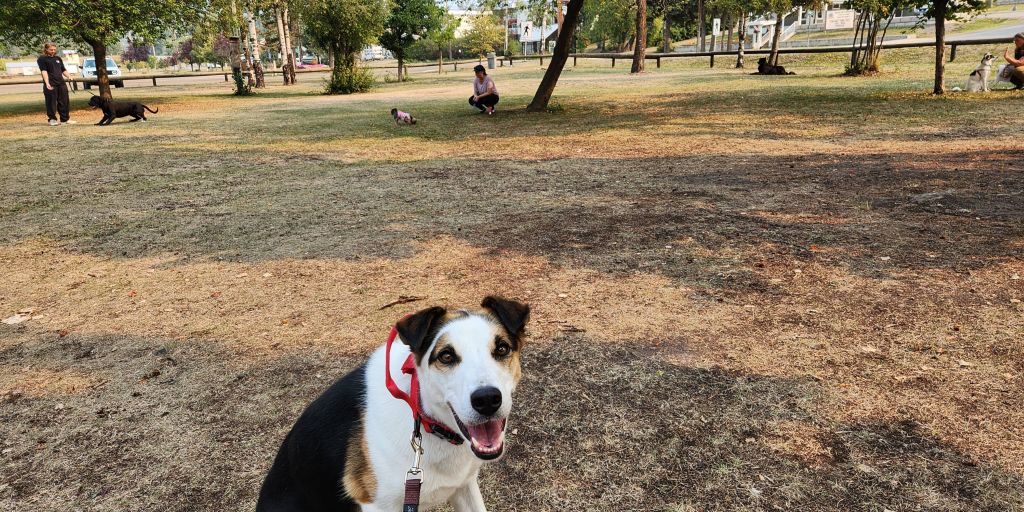
Our Pack in the Park exposure training is a great way to work with dogs that are reactive.

February Update

Dog Blog, Dog Rescue, FSJ Dog Training, FSJHS, Monthly Update, Pack in the Park, Trick Training, update

We’re almost halfway through the month so I figured it was time for my monthly update.

In January I helped 4 people gain new skills with their dogs, and for February I’d like to double that number. I’m establishing a weekly routine for dog training now that I’m feeling like I’m starting to get into the swing of. I was mostly a stay-at-home-mom for over 7 years so having a schedule (outside of my kids schedule) has been challenging to stick to. I keep track of all my clients by their first name and their dogs name because I’m more likely to remember their dog than them. Sorry, but it’s the truth, no offense intended.

One of my favorite things so far about training dogs again is learning what people name their dogs. I think this sparks an idea for a new monthly segment on the blog: favorite dog name! My favorite dog name for January was Darla. I know she’s named from the Little Rascals (which in itself is great), but I’ve been re-watching Buffy the Vampire Slayer and Angel for a while now and one of my favorite characters is Darla.

Last month’s update I mentioned changing my prices. I am still planning to raise my prices to help balance my cost after adding the online consultation. Because I had worked my prices to include the phone consultation as part of it, when I added the online consultation I lost $20 off every session. I will be recouping that by adjusting the prices of my sessions. This price change will be in effect starting March 1st, which is our official business launch date! So book now, if you want to take advantage of my current low prices.

On Sunday we had our first meeting for the Fort St. James Humane Society. Currently, just an idea and a dream, but we’d love to re-establish the humane society in our community. The Humane Society was established in 2008, did a lot of good in our community and had a lot of community support, and then it was dissolved about 5 years ago after the founder and some board members moved or experienced burnout. Since then it’s been a small handful of people just trying to do right by the animals. I think we’re in a position now where we have more people to help, more support from community leaders, and people have seen how much these issues have compounded in the last couple years. Heck, it’s why I got back into dog training. I was just tired of people complaining but never trying to fix the problems; I decided I’d actually do something and it all started with Pack in the Park.

You can view the meeting minutes here and the next meeting is February 25th at 1PM at the View Hotel. We had a good turnout last time and I’d love to see even more next time! A special thank you to April, Monica and Lesley for bringing this meeting together and spearheading this project. Another thank you to Diane who couldn’t make it to the meeting but has been doing so much for animal welfare that I feel she deserves a thank you too.

VOLUNTEER OPPORTUNITIES

I can’t talk about local animal rescue without also talking about volunteer opportunities. Want to help and get involved?

There is a raffle for Bingo at Kwah Hall February 22nd, donations can be dropped off between 4 and 5PM. Food and raffle items are needed. Popular foods: soup, chili, chow mein, jello cups with cool whip. Contact the Fort St. James Humane Support Group for more information or to find out other ways you can get involved.

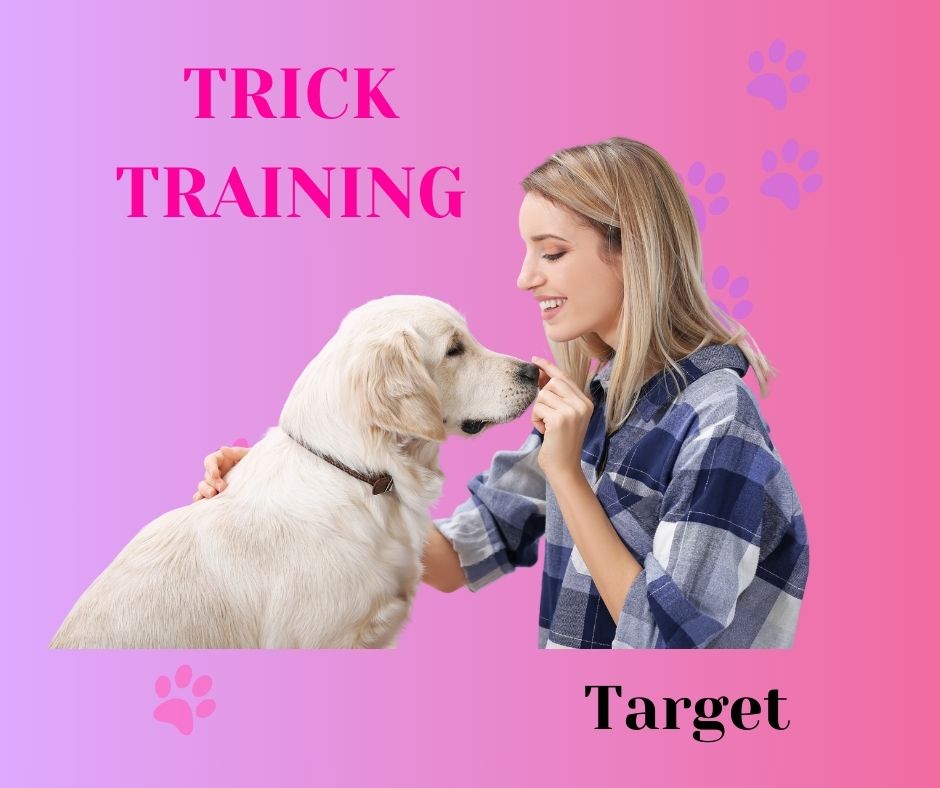
Trick of the Month: Target

I tried to do a “trick of the month” for a trick training club last year and struggled to get interest in it. I think I’ll just be sort of adding it onto my monthly updates as I’m working on them with my own dog Zelda. Right now I am capturing the behavior with “yes” every time she touches the post-it with her nose. We are just starting this trick, but I’ll post progress as we go.

Teaching a dog to target your hand with their nose (touch your hand with their nose) is a behavior that can be shaped into many other tricks such as closing a door or turning on a light switch.

I like to use a Post-it (sticky note) to help make the transfer between your hand and other objects easier. When I first taught my dog this trick, I wanted him to close a door. I first taught him to touch my hand and then when I tried to get him to target the door he just kept booping my hand. The sticky note made it so much easier to communicate to him that I wanted him to touch his nose to something other than my hand.

The command you use should be something simple and easy to remember. You can use “target”, “touch”, “nose” or whatever makes sense to you. You can either start using the command right away, or start incorporating it once your dog is making the connection.

Stick a sticky note to your hand and hold it out to your dog. When they sniff at the sticky note say “yes!” (or use a clicker) and reward them with their favorite treat. Keep repeating. If your dog no longer seems interested in the sticky note at all, you can try holding a treat under your thumb in the sticky note hand or rub a treat on the sticky note to make it smell good. Some dogs may try to bite or take the sticky note; discourage this. Only reward for the dogs nose touching the sticky note. You can also sort of wave the sticky note in front of them, or move it a little closer into their view. Basically, you’re hinting “hey, it has to do with this thing”. Make sure to give them time to work the problem out in their mind. Hint at the sticky note and then wait and see what they figure out. If they don’t seem to be getting it at all then hint harder, maybe use a treat in that hand etc. but try to give the dog time to figure it out first.

Once your dog starts to make the connection that they need to touch their nose to the sticky notet, try moving your hand away from them a bit more, maybe a bit higher or on the ground. Move it around to make it more challenging. 

When you know your dog has figured it out then it’s time to try transferring the sticky note to whatever you want them to do. Whether it’s to close a door, flip a light switch or push a ball, use the sticky note to let your dog know it’s time to touch their nose to something other than your hand.

At this point you can also stop using the sticky note and get your dog to touch your hand with their nose without it.

Dogs and Children: Body Language and Respect

Dog Blog, Dogs and Children

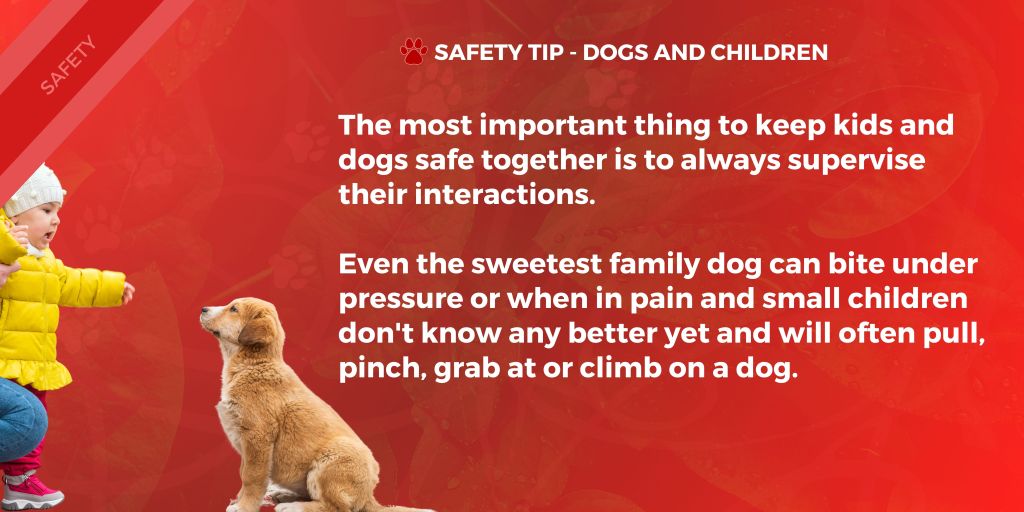
I’ve decided to make my three-part article about dogs and children available for free. This subject is near and dear to my heart as well as just being extremely important information. Most dog bites to children happen to the face and can be traumatizing, disfiguring or even fatal. If both dogs and children are taught from a young age how to safely and respectfully interact they can build a beautiful friendship together.

[ PART ONE ] [ PART TWO ] [ PART THREE ] [PART FOUR]

I felt like my Dogs and Children articles overlooked (or in the very least, skimmed) over a couple of very important aspects when thinking of dogs and children. Part four is my way of expanding on those aspects. If you haven’t yet, please go back and read parts one, two and three of my Dogs and Children articles to fully understand the unique yet wonderful relationship kids and dogs have.

If you’d like to see more articles about dog body language and behavior, let me know!

Always Ask Permission

One of the most important things we can teach our children about interacting with strange dogs is to always ask permission before petting them. Since we don’t know the disposition of life experiences of every dog we encounter, it’s important to err on the side of caution when introducing yourself or your child to a new dog. Always ask the owners if you can pet their dog and respect whatever their answer is. Every dog is not put on this world for us to pet (as much as we’d like them to be) and if a dog is not comfortable with being pet or an owner does not want them being pet (for whatever reason) then it’s important to respect that. Petting a dog who doesn’t want to be pet can cause lasting trauma to that dog. For all you know that dog is getting over a traumatic experience involving a persons hands and your movement towards their head just set them back by weeks. Maybe the owner is training their dog to be a service dog and you petting them is distracting from their very important job. Maybe neither dog or person likes interacting with strangers and you know what, that’s okay. How other people feel and think about you is none of your business. Just accept their response and move on with your day.

Be Mindful of HOW the Dog is Pet

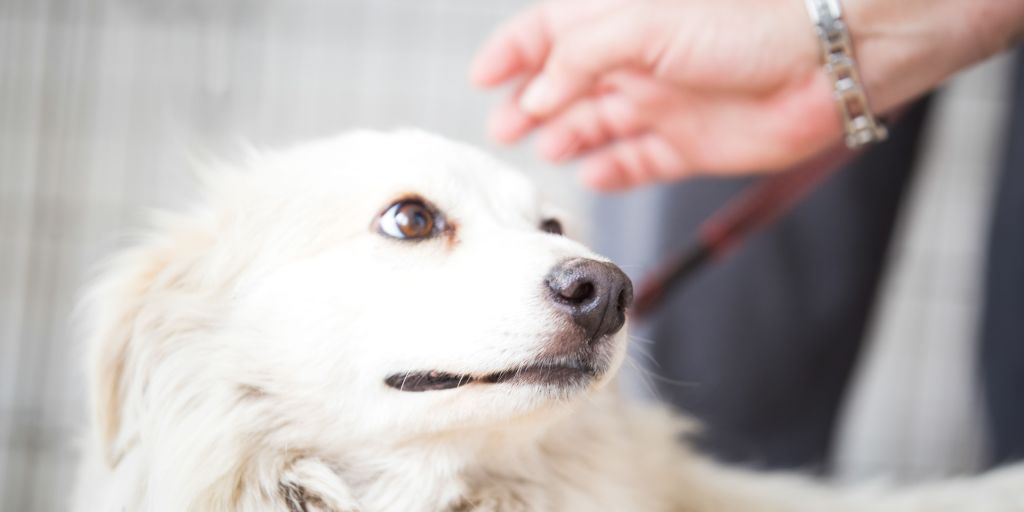
When petting a dog, especially a strange dog that you don’t know, it’s important to remember not to reach over top of the dogs head when you pet them. Not all dogs like being touched on the head, and even dogs that do, don’t usually appreciate strangers reaching over top of their head. This is a threatening move to most dogs and can be especially threatening to a nervous or unsure dog.

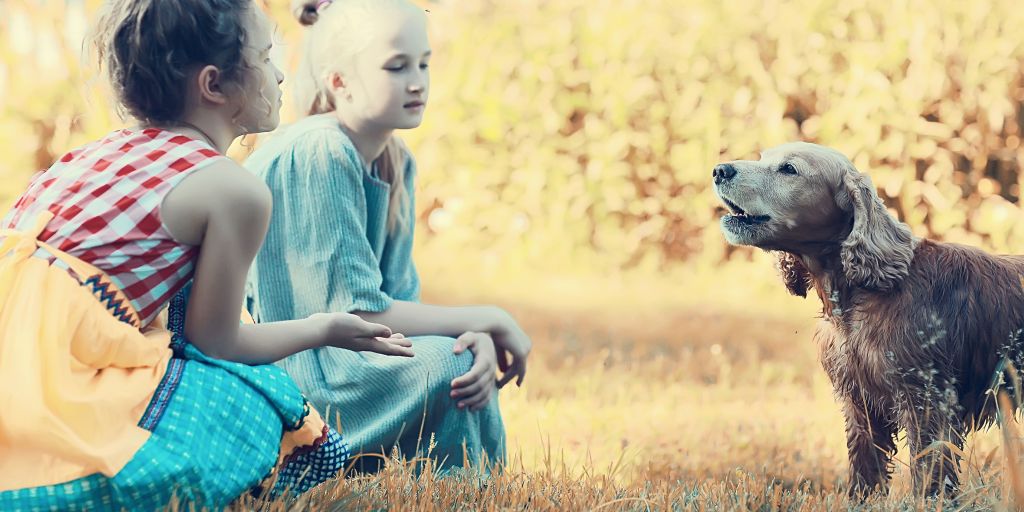
Instead, reach your hand out calmly for the dog to first sniff. Don’t bring your hand all the way to the dog, hold it out in front of you and allow the dog to come to you to sniff. Once the dog has sniffed you and seems okay with your presence then reach forward to pet their chest and shoulders. Pet slowly and calmly, don’t aggressively pat or scruff up a dog you don’t know. That kind of interaction is best saved for dogs who know you and enjoy that type of touch.

Teach your children this is the proper way to greet a strange dog. Kids tend to get bit in the face because it’s at the right height for a dog to snap at. A kid who reaches over a dogs head to pet them is a kid opening their face up to being bit if the dog is uncomfortable with being pet that way.

Understand Dog Body Language

Whether interacting with a strange dog or a family pet, it’s important to understand dog body language so that you can pick up on the subtle cues your dog is giving you before they become not-so-subtle. Dogs speak volumes with very little so you need to learn these cues and be very keen to watch for them. If your child is old enough, teach them about these cues as well.

If a dog is feeling nervous or unsure then it’s important to back off. There are some important canine body language cues you should know how to recognize and respond to.

WHALE EYE

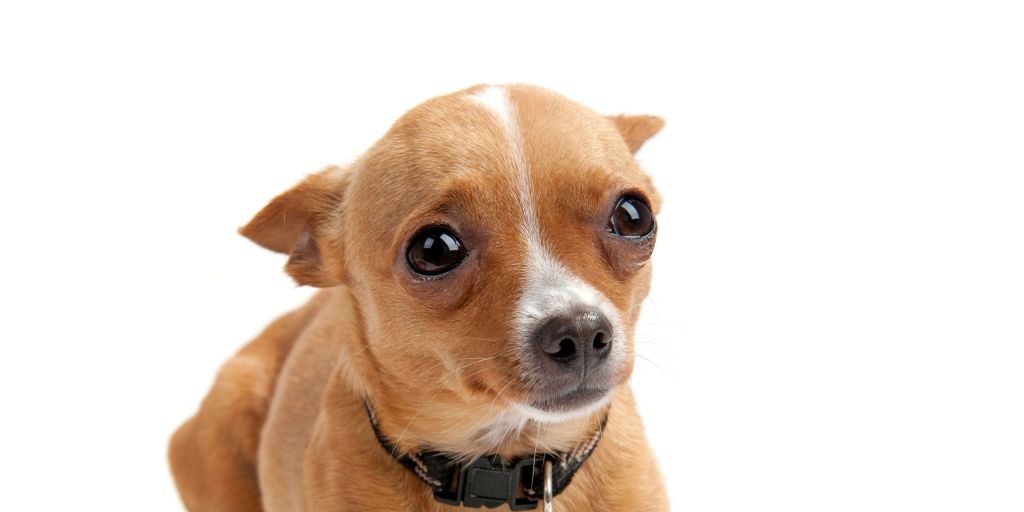
It is known as “whale eye” when you can see the whites of a dogs eye. They will be turning their eyes and the white in the corner of the eye will be visible. This is a nervous dog.

EARS BACK

If a dog has it’s ears pinned back it usually means they are not happy about something, or may be feeling nervous or uncomfortable. When a dog is relaxed or happy their ears tend to sit up or forward (depending on the way the type of ears).

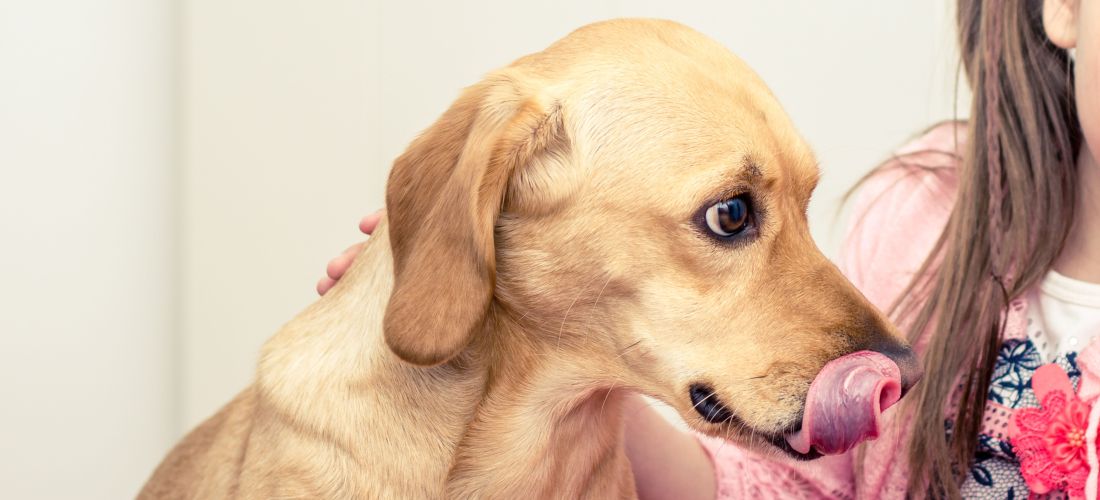
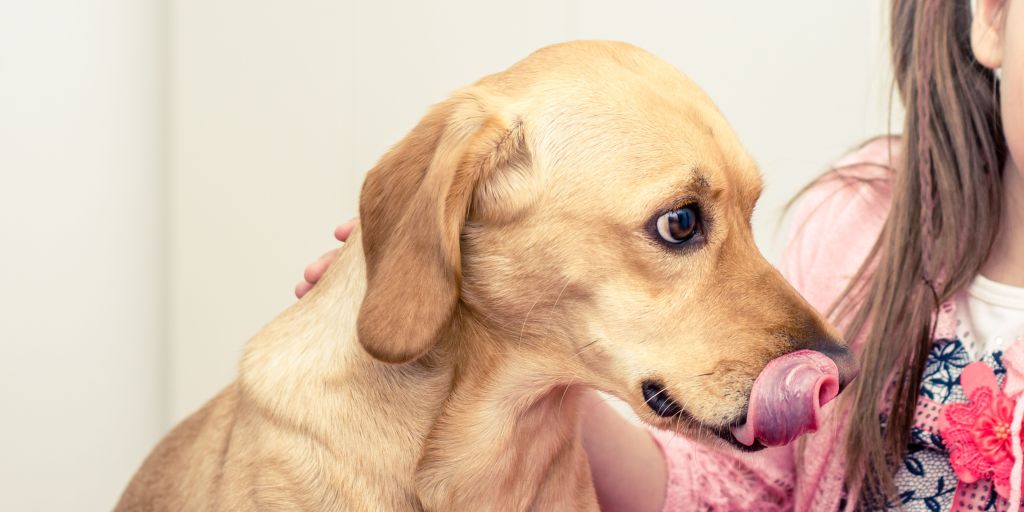
LIP LICKING

Nervous dogs will often lick their lips repeatedly. Lip licking is a major indicator that a dog could potentially bite.

YAWNING

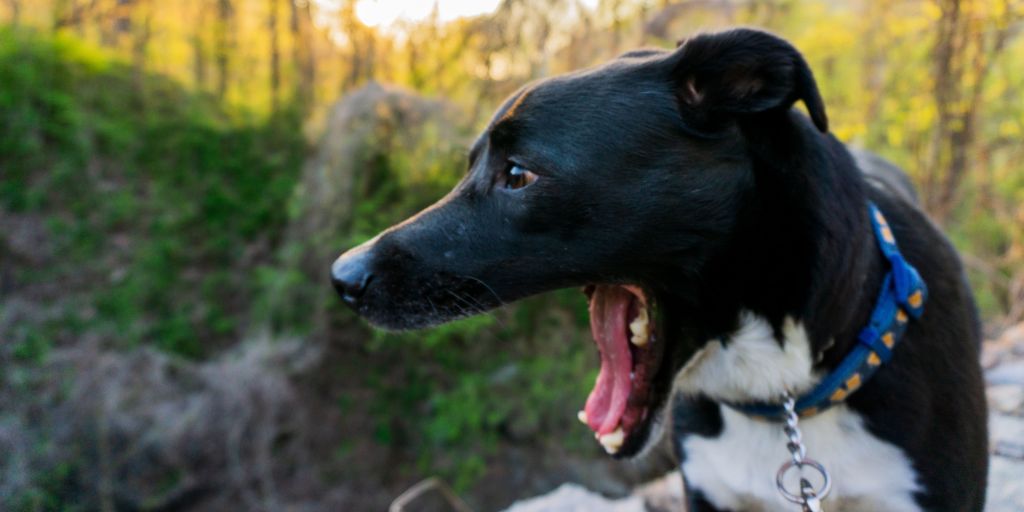
Dogs don’t always just yawn when they’re tired. When accompanied with other nervous behavior signs (often paired with lip licking) it is an indication that a dog is unsure and nervous.

AVOIDANCE

When a dog shows avoidance behavior they are trying to physically remove themselves from the situation that is making them uncomfortable. If they’re on a leash or in an enclosed space they will not be able to avoid very far. Flight or Fight is the instinct in all mammals to either stay and fight or run away from a threat. If the option to run away is removed (whether in an enclosed space or on a leash) the animal will most likely resort to fighting. This is when bites happen. As soon as you see a dog avoiding something by moving their head away, shrinking back, moving their body back, getting low, trying to escape, then you need to remove that pressure that is scaring them. Whether that’s you, a child, or something else. If the pressure is not removed and there is no option to flee the dog will likely resort to a bite.

GROWLING

Just like the rest of these behaviors listed above, growling should be viewed as a communication tool for your dog. It’s a way for the dog to communicate that something is happening that they don’t like. It’s a warning that a bite may soon follow. It’s really important to never punish a growl. If you punish a growl you may end up removing the growl completely and then you’re left with a dog who bites without a warning.

How to Handle These Behaviors

Teach your children about these cues from dogs that mean they’ve had enough attention. Teach your child that as soon as they see these cues it’s time to stop interacting with the dog and give them space.

If it is your dog exhibiting these behaviors when interacting with children (or really, anyone) then consider it a big red flag that your dog needs some work. Consult a dog behaviorist or dog trainer who understands dog behavior. Your dog may need some work in exposure training (in a controlled setting). Don’t leave them alone with children and supervise all interactions. Watch for the above signs that your dog is uncomfortable and give them more space if they need it.

Aggression Towards Children

Dog Blog, Dogs and Children, GUIDE 1: SAFETY & REGULATIONS

I’ve decided to make my three-part article about dogs and children available for free. This subject is near and dear to my heart as well as just being extremely important information. Most dog bites to children happen to the face and can be traumatizing, disfiguring or even fatal. If both dogs and children are taught from a young age how to safely and respectfully interact they can build a beautiful friendship together.

[ PART ONE ] [ PART TWO ] [PART THREE] [ PART FOUR ]

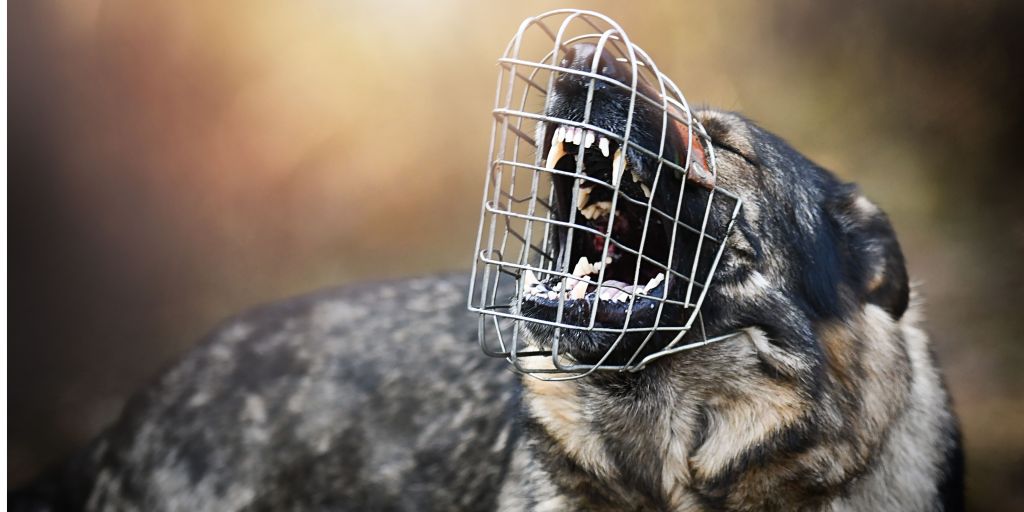
The goal of rehabilitating a dog who shows aggression towards children is to have a dog under control while around children. The goal shouldn’t be a dog who will be best friends with a child as this is a dangerous and unrealistic expectation. This is accomplished by exposing the dog to the child in a comfortable setting and at a distance where the dog is showing no signs of fear. The utmost importance is the child’s safety. Never attempt this type of training without consulting a dog trainer or animal behaviorist. Never attempt this type of training without the permission of the child’s caregivers. The dog must be on leash and if necessary muzzled at all times.

These methods work for rehabilitating a dog around any person or animal. For the sake of this section, I will be focusing on children.

Obedience command must be well-trained

You will have no luck getting your dog under control if you don’t first train them basic obedience commands. Every dog should, at the very least, know to sit, down, stay, heel and recall (come). Also known as ‘the five basic commands” (Guide 5: Dog Training: 5 Basic Commands). You will first need to train these commands without distractions and then gradually build distractions until you can comfortably handle your dog in public. Once your dog is well-trained then you can begin exposure therapy.

Exposure therapy/desensitization

The goal is to associate the child with something positive using classical conditioning techniques. For more information about Classical Conditioning, read Guide 2: Intro to Learning Theory. The dog’s experience that they associate with the child must be a positive, relaxed experience. More stress and pushing the dog past their comfort level will result in more trauma, fear and aggression.

To influence the dog to associate something positive with a child you’ll be using the dog’s favorite treats whenever the child is around. You may have to start from quiet a distance to begin. Always start where the dog feels comfortable. Treat and reward, work on basic commands and focus commands (Guide 5: Dog Training: Watch Me).

Keeping the child safe is the primary concern

Of course the safety of the child is the most important thing. Small children should be held by a guardian or sit in their lap. Older children should understand and have the self-control to not approach, touch or talk to the dog. The dog should be on leash at all times and if necessary, muzzled. How do you know if your dog should be muzzled? If they’ve bitten or tried to bite anyone before then they should be muzzled during desensitization. Before you muzzle your dog make sure you first condition them to wear it (Guide 3: Training Tools: Muzzle).

Once an incident occurs you can never assume the dog will be safe around any child

Referring back to the above point; the child’s safety is the primary concern. You simply can NOT trust your dog around any child ever again. You can train your dog to be calm, to behave himself and tolerate the presence of children but you will never be able to fully trust your dog to never bite a child if put in an uncomfortable situation. You will always need to rely on your leash, training, and barriers when necessary to keep the children in your life safe from a traumatizing experience and your dog safe from a dangerous dog record or worse; euthanasia. 

Don’t Punish a Growl

Something quite often misunderstood and mismanaged in any “dog aggression” type scenario is the growl. A growl is an important communication tool for a dog. It’s a way for them to communicate that they’re uncomfortable with something. If you punish the growl you will remove the growl which means no warning system in place and a bite will likely occur with zero warning from your dog. Never punish the growl. Instead; respect the growl for what it is; your dog’s communication. Interpret it to mean you need to give your dog more space and time for desensitization. 

Games for Children and Dogs to Play

Dog Blog, Dogs and Children, GUIDE 1: SAFETY & REGULATIONS

I’ve decided to make my three-part article about dogs and children available for free. This subject is near and dear to my heart as well as just being extremely important information. Most dog bites to children happen to the face and can be traumatizing, disfiguring or even fatal. If both dogs and children are taught from a young age how to safely and respectfully interact they can build a beautiful friendship together.

[ PART ONE ] [ PART TWO ] [ PART THREE ]  [ PART FOUR ]

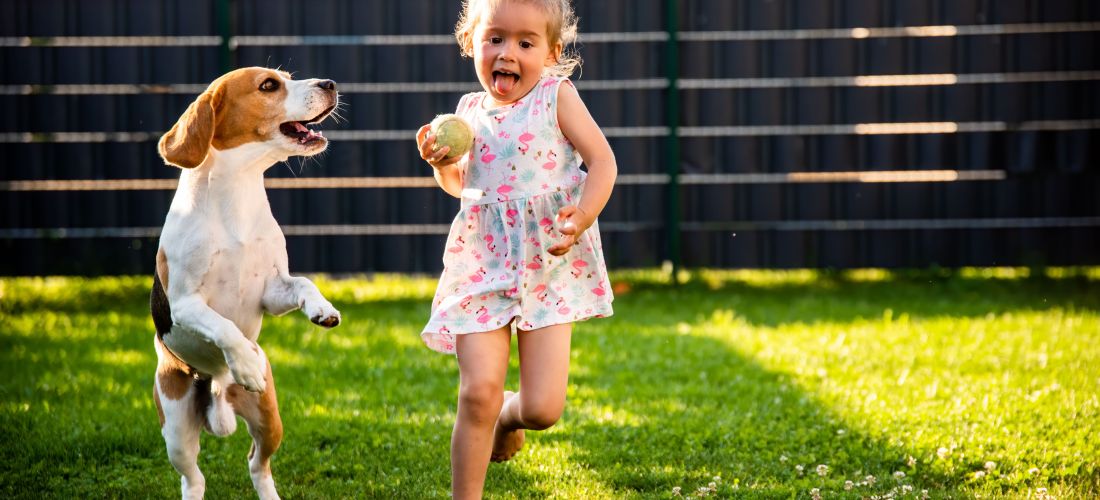
You want to make sure that the games your child and dog play together are respectful and not too rough for either participant. Puppies and very small children will struggle the most with this so I advise waiting until everyone is old enough and have enough self control to safely interact with each other during times of heightened emotions (during play). 

ALL GAMES PLAYED BETWEEN YOUNG CHILDREN AND DOGS SHOULD BE SUPERVISED.

Of course, anyone can play these games with the family dog!

Hide and Seek

Hide and seek is a really fun game to play because it teaches your dog to find your child, which is an impressive trick and you never know if it may one day be an important skill for your dog to have.

Give your child some treats and tell them to go hide while you hold the  dog. Not too hard of a hiding spot, somewhere low enough that the dog can find them and see them once close enough. Not in a cupboard, but maybe behind a door (open enough it’s easy for the dog). 

Once your child is hiding and ready, tell your dog “go find __(child’s name)___”. Go with your dog while they search for the child. If your dog seems to lose interest or is unsure of what to do, have your child call out the dog’s name once. This should renew their interest in the game. If you need to help your dog find your child, that’s okay, they’re just learning what the rules of the game are. Once found, have your child give the dog the treats and lots of love and praise, once they find them. If your dog seems to really be struggling to understand the game, have your child leave a trail of treats or kibble.

As they get better at the game you will have to be involved less. Eventually it’s a game they will be able to play on their own.

You can add in your dog hiding, but it’s a lot harder to teach. You will need to be involved to help your dog go find a hiding spot and then tell them to stay until your child finds them. It’s a lot of fun and adds a great challenge to the Stay command.

Chase

Chase isn’t a game I recommend for small children or most dogs who will get over excited. Dogs with a calm disposition (and likewise for children) will be able to enjoy this game. If you have a mouthy dog, have them hold a toy during the chase game. This game is not recommended for exuberant/ excitable dogs.

Tug o’ War

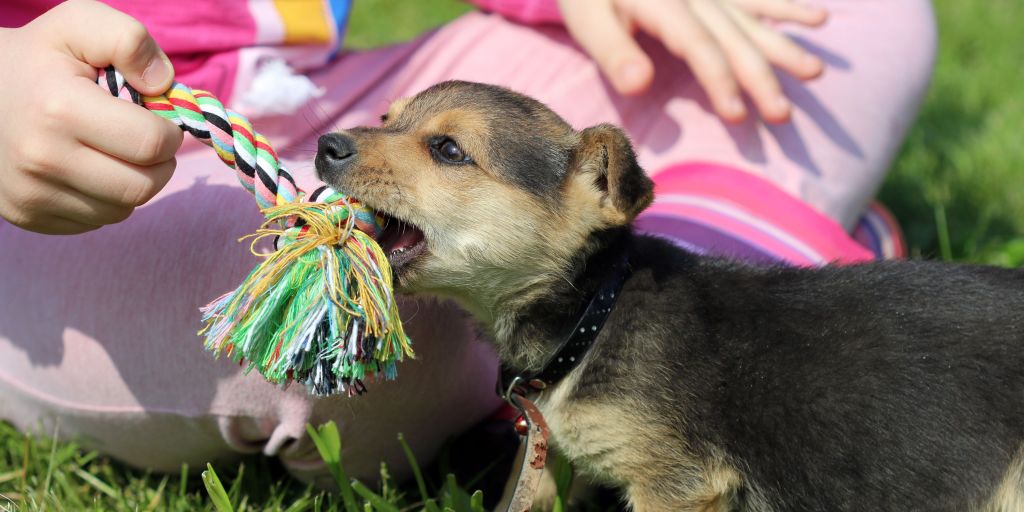
Tug o’ War is another game not recommended for dogs or children who are easily excitable. It’s a game for older children. The goal is to make sure your child is winning most of the games. You can teach your dog to drop it/let go of the toy on command to help your child gain the upper hand. If your dog heavily outweighs your child, even if they are calm and interact peacefully you will want to be right there to regulate the game. Your dog should have a strong “drop it” and “leave it” command, and must listen to the child to play this game.

Fetch

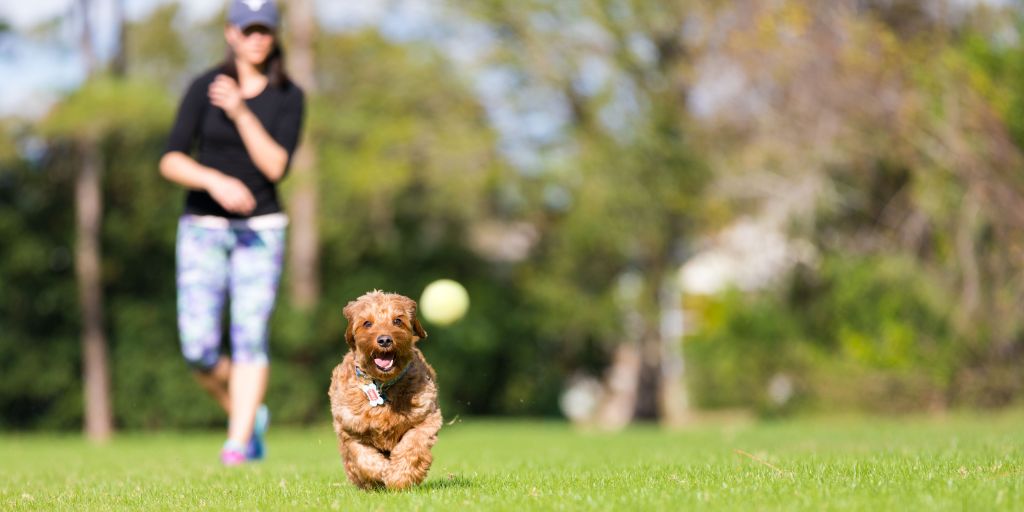
Fetch is a fun traditional dog game that anyone can play. It’s a great way to teach kids to throw and dogs to be patient with children. When a child is very young keep the game simple. You are the one to give the dog commands such as sit, down, stay, drop it and leave it. While your dog is in a stay, give the child the ball and tell them to throw it. They won’t be able to throw it far, but it will still be fun for your dog. Here’s the tricky part: have your dog stay until a cue word is given to release them. 

Stay. Throw the ball. Give the cue word such as “get it”. The reason why we make the dog wait is to give the child a chance to get out of the way and the dog a moment to collect themselves and look before they immediately run after the ball. 

With older children, of course they can be the ones to give the dog commands and they can throw the ball further. They also know to stay out of the path of the dog better than a toddler does. You can get a chuck-it or similar ball throwing arm to help a child throw the ball further for the dog. It’s still important to continue to expect the dog to wait for a cue before chasing the ball. Make sure the child knows not to tease the dog by taking a long time to release them. It should only be a moment before they are released after the ball. There should never be teasing.

Cup Game

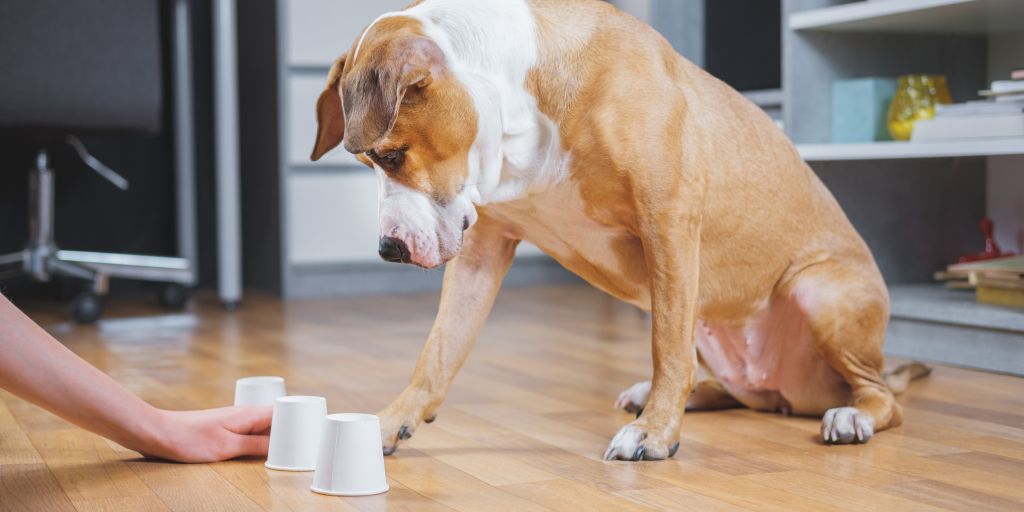
An older child can play the traditional cup game with their dog! Instead of using a ball or walnut use a piece of food or a treat. Have your dog sit and stay in front of a small table with 3 cups on it. Place the food under one cup and mix the cups up. Ask your dog to find the treat. They should be able to find the treat with their nose very easily. If they don’t, use a more smelly reward. Something high-value like a small piece of cheese or dried meat.

If the dog doesn’t understand what to do right away, take a step backward and try without the cups first. Put a piece of food on the table and tell the dog to find it. When they get it praise (no need for an extra treat, just verbal and physical praise will do). It shouldn’t take them long to grasp the concept and you can try again with the cups. You can also try giving your dog a peak under the cup to better smell and see the treat. Most dogs will figure out the game quite quickly once they realize there’s treats under the cup.

Dog Sports

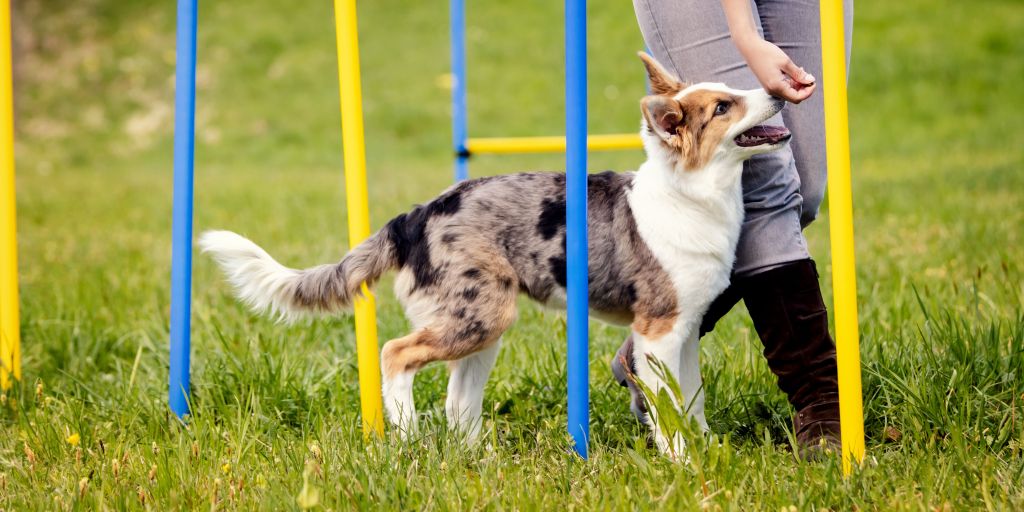
Dog spots such as Dog Agility, Flyball or Dock Diving can be a lot of fun for both handler and dog. Most dog spots require some sort of monetary investment as well as an investment in time and may require some traveling, if you plan to compete. Dog sports are a great option for older kids who aren’t interested in school sports or other activities but love to spend time with their dog. 

Check locally for any clubs for Dog Agility or other dog sports. If you can find a club to join you won’t need to make or buy your own equipment and your child can learn about the sport through the club. If there are no nearby clubs, you can still self-learn most dog sports at home.

Competitive obedience doesn’t require a lot of investment in equipment. Most breed clubs or conformation clubs will be a good place to start if you’re looking for obedience competitions.

Dogs and Children

Dog Blog, Dogs and Children, GUIDE 1: SAFETY & REGULATIONS

I’ve decided to make my three-part article about dogs and children available for free. This subject is near and dear to my heart as well as just being extremely important information. Most dog bites to children happen to the face and can be traumatizing, disfiguring or even fatal. If both dogs and children are taught from a young age how to safely and respectfully interact they can build a beautiful friendship together.

[ PART ONE ] [ PART TWO ] [ PART THREE ] [ PART FOUR ]

I grew up constantly around dogs. We always had at least one family dog (if not two) and since I was 5 years old I knew dogs were something special and that I had a special connection with them. You could even say I was a little obsessed (to the point my family had to tell me to talk about dogs a little less). 

Having dogs can be extremely beneficial for children. Studies have shown that kids who grow up around dogs build a better immune system and have less problems with animal allergies. Kids who grow up with dogs also learn about responsibility, love and caring for another being. They also learn about the unfortunate cycle of life and death. They learn about love, loss and friendship. They have someone who is always there for them, always loves them and always has a sympathetic shoulder when they need it. Dogs can also help a child be more physically active through walks, play, training and dog sports. The benefits are so big I feel every kid should grow up with a dog in their life. That all being said; it is also extremely important that parents/caregivers learn how to help kids and dogs interact safely

SO many dog bites towards children could be prevented. Dog bites towards small children can also be extremely devastating. From the moment a baby is born or a puppy brought home it is the responsibility of the caregivers to teach both dog and child how to interact safely.

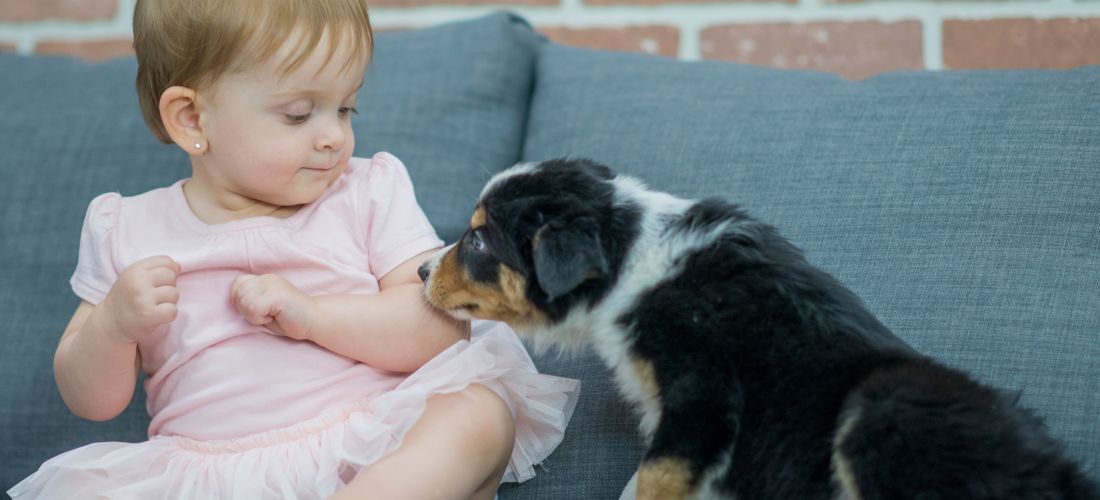
It starts with supervision. Even the most friendly of family dogs can bite if pushed past their limits. Babies and small children should ALWAYS be supervised with dogs. They do not have the brain development yet to learn how to safely interact with dogs. Babies and toddlers tend to pinch, grab and pull as a way to explore their world and they don’t understand that it can hurt someone else. They also like to explore their worlds through putting things in their mouths and physically crawling, climbing and tumbling. Dogs can have a lot of patience but even the sweetest of dogs will react to pain. Never ever leave a baby, toddler or small child alone with any dog.

Likewise, puppies and dogs need to learn they can’t jump on, paw at or constantly lick at a baby. Large dogs can easily knock over toddling toddlers. They need to learn to give space to small ones and keep their paws to themselves. A large, rambunctious puppy can easily hurt a baby or toddler with the intentions of play.

You can introduce dogs and children at any age, whether the child is an infant, toddler or older child and likewise; whether the dog is a full grown adult or puppy. How you introduce children and dogs may vary a bit, expectations can be different based on their age, but no matter what you want the introduction to be soft, slow and calm.

How to Introduce Babies and Dogs

When you first introduce a dog to your baby make sure it is in a calm environment. Wait until all the visitors are gone and the house is quiet. Have the dog sit and you hold the baby so that the dog can sniff from a seated position. Dogs may get excited at the smell of a newborn baby so a leash may be needed if you have an easily excited dog who likes to jump about and express their excitement with their whole bodies. Tell your dog to sit if they start to get excited. If your dog is overly excited, unresponsive or you feel too nervous to let them get too close, then don’t. Dogs can learn a lot about social interactions from not directly touching or being close enough to touch anyone. In fact, a positive experience where nobody gets upset and nobody gets hurt is extremely beneficial to teaching a dog to be calm around new people or animals. Likewise, it teaches the same lessons to the baby too. 

Babies and kids learn a lot from what we set as an example. Keep this in mind when you’re interacting with your dog in front of your baby, keep this in mind. Since babies have very poor motor skills, it’s best to avoid petting areas of the dog that the baby may accidently grab or poke that are sensitive (such as the head/face). Start with petting the dog’s shoulders, chest or back. Show your baby how you gently pet your dog. You can even repeat to the baby “gentle pets” and explain it’s a nice dog you’re giving gentle pets to. Talk in a soft, sing-song voice that your baby enjoys.

If your baby grabs the dog’s fur, hold their hand so that they can’t pull on the dog’s fur and release their little grip. Small babies are too young to understand, nor do they even have the ability to control whether they grab at the dogs fur or not. Just release them and continue on with the calm interaction. If your baby seems to grab and pull too much for your dog’s comfort then stop and try again another day. Watch your dog and gauge their reaction. If they seem nervous then stop all interactions between baby and dog for a bit. Instead, focus on peaceful cohabitation from afar.

How to Introduce Toddlers and Dogs

Toddlers can be very unpredictable and this can be hard for dogs. They squeal, run, poke, grab, and climb on everything. This is all totally normal and important skill-building and world-exploration for your toddler, but just like the other safety rules in your house your toddler needs to learn the rules about interacting with the dog. Don’t let your toddler do things like grab, pull, poke or climb on the dog. Teach them, instead, that we pet and play with the dog nicely. Show your toddler by example how to pet and tell them “gentle pets”. Put a lot of emphasis on being gentle with the dog. This can be a hard concept for some toddlers to get, and may take many many repetitions. If your toddler is particularly too rough and your dog isn’t comfortable, then it’s time to end the interaction and try again another time when your toddler can be calmer.

Toddlers can play simple games like throwing a ball for a dog. Getting the ball back from the dog should be the responsibility of an adult or older child. Toddlers should NOT be allowed to take anything from the dog, whether it’s a ball thrown or another toy or chew/bone of the dog. If your dog has any sort of possession issues and you notice signs of their resource guarding (growling, hovering over, and generally protecting their item from anyone) then it is very important you pick up ALL items the dog my guard and remove them access when the toddler is on the floor. This is a very important rule to prevent bites.Your dog can have access to these items when the toddler is not around or when the dog is in a locked crate or room. Do NOT give a dog access to items it may guard when any children are around. Work on this behavior separately and until a child is old enough to understand not to grab an item from a dog.

How to Introduce a Child to a Dog

Children who are 5 or older can be introduced to dogs with a bit more instruction. Let them know to remain calm. Don’t run from a dog (especially excited dogs or puppies), don’t make sudden movements; pet the dog from the chest, neck or back. Do not reach over the dog’s head. Give the dog a treat or throw a ball for them. Older children can pick up the ball from the dog, or give commands such as drop it/release. If a dog enjoys it, a child can rub their belly or brush their fur. 

If the dog is extra rambunctious, then just like when introducing a baby or toddler, you can put the dog on leash and ask for a sit or down. Have the child give the command and reward with a treat. Let the dog sniff the child. If they seem overwhelmed or unsure, let them have space from the child and/or take a break.

Teach your child to always ask before petting a stranger’s dog. Have them practice asking “can I pet your dog” and explain that if someone tells them no then it’s important to respect that.

Older Children/Teenagers and Dogs

Dogs are a great companionship for older children and can encourage physical activity and responsibility. Older children can take on the job of feeding, brushing, playing with, walking and even training the family dog (with adult guidance). Dog sports such as Dog Agility or Flyball are great ways for kids and teens to get active and compete in sports with their dogs. Overall responsibility of purchasing food and providing veterinary care should always fall on the shoulders of the adults in the family.

Give the Dog Their Own Space

One of the most important things you can do is make sure your dog has a safe space to retreat to when they’re feeling overwhelmed. Kids can be overwhelming for anyone, including dogs. Keep a kennel or bed in a quiet part of a room that your dog can always have access to. Don’t ever allow the children to climb on or in the dog’s bed or kennel. This space is completely off-limits to children and is a safe retreat for your dog. You can encourage your dog to go to this space whenever the kids get chaotic or you notice your dog getting overwhelmed.

Let’s Talk “Old School” for a Minute

Dog Blog

Sometimes I feel like an old dog. I’m in my mid-thirties and sometimes life has me feeling much older. I’ve been looking at old photos from my late teens/early twenties as I clear off an old hard drive and it made me even more aware of how much time has past since I was young and insisted that dog training was my only path in life. When I gave it up over a decade ago it was one of the hardest choices in my life and I really just pushed a lot of those feelings down. I told myself I was satisfied with just focusing on my own dog. I tried to ignore those deep, longing feelings whenever anyone talked about their dogs problems or just dogs in general. I bit my tongue. I only offered advice to people I was close with that I thought would actually be thankful for my advice. Otherwise, I just kept it to myself. I was essentially in the closet about being a dog trainer. Since I started training again I’ve had a lot of comments like “oh I’m so glad there’s a dog trainer in town now”. I’ve been here all along.

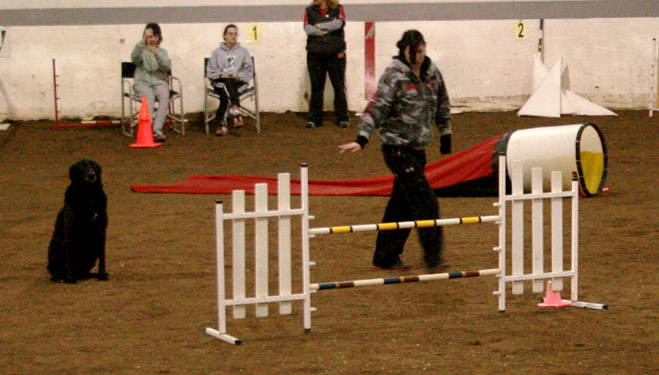
Coal and I at Dog Agility trial

I’m a bit behind on training theories and techniques. The good news is that dogs are pretty well the same they were 15 years ago, with a few added quirks here and there. I’ve been slowly reading and learning more modern ideas about dog training and I’ve thrown some of my old ways out the window, adopted some new ones, and tweaked a few others. I feel pretty confident in most of my methods.

Something I completely forgot about is how absolutely brutal dog people can be, especially online. From the time I was about 10 until my early 20’s I spent a lot of time on dog forums/message boards. Back when I first started social media wasn’t even a thing. It was just message boards, sometimes independent and sometimes as a part of a larger website, that were aimed at specific topics. The people I chatted with on those forums became long-time friends. Most of them have drifted away but there’s still a couple people I occasionally still talk to or casually follow on Instagram. SitStay was the first message board I frequented. I was obsessed. I loved their website and the forum. It felt amazing to engage in conversation with others about dogs. My family was utterly sick of my dog facts every day and I was asked to stop talking about dogs so much. So finding a group of people online who also loved talking about dogs felt really good for my preteen self. It made me feel accepted and normal. I was talking to total strangers when I was 10 and thinking back on it now it’s a little unsettling. I don’t ever remember coming across anyone weird or anything wrong, but I was probably lucky. Instead, I walked away with real friends. Not from SitStay, though. They ended up turning on me. Reminder; I was 10 years old.

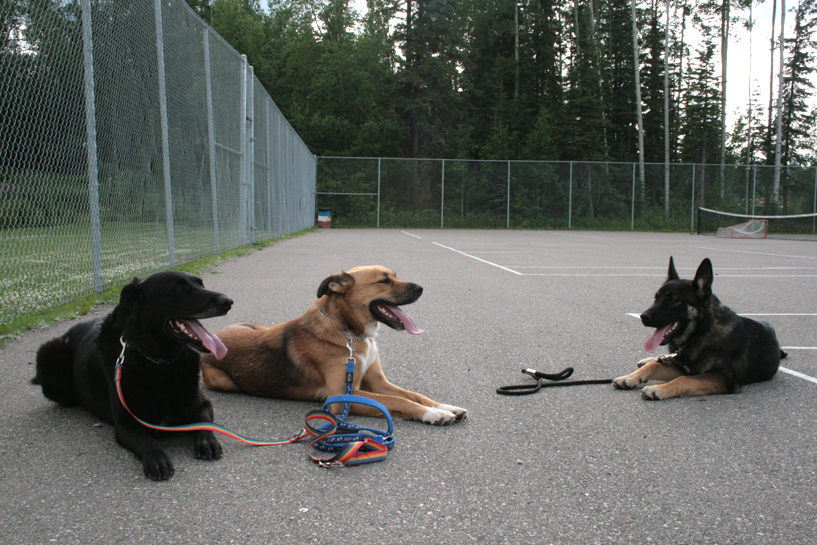
Coal, Linkin and Zero

There was a time when my parents thought dogs belonged outside. They only ever let them in the house in the cold weather. It actually took years of my dog obsession to convince them otherwise. At first, they just let the dog in the boot room. Then he was allowed in the basement. Eventually the dog was allowed upstairs and before I knew it my dog was sleeping on my bed. This took several years to happen, however, and at the point in time that I was talking to the Sit Stay group, my dog wasn’t allowed inside. I came across a health problem, I don’t even remember what it was now? Hot spots, or something like that. But they found out my dog was living outside and they jumped on me. I had a couple people defend me and the fact that I was a child living under the rules of my parents, but most of these grown ass adults ran me down on that message board. They said I shouldn’t own dogs at all. They made me feel horrible. I felt so betrayed and ostracized. It took me some time, but eventually I found Dogo. Originally part of Dogomania, a large website that had a dog forum attached to it. This is the group that felt like family. I would chat with them every single day. I made real friends, even though I’d never met them face-to-face (though I did try once; but she never showed up then disappeared from my life and Dogo. To this day I have no idea what happened. Either she wasn’t who I thought she was, which is really creepy to consider, or her parents freaked out about her meeting a stranger). Dogomania was eventually bought by another company and the dog forum fell apart after that. We tried to build our own and it sort of worked for a while, but not everyone followed over and it just was never the same. I don’t really remember what happened. I feel like maybe there was some sort of falling out with these people as well? But mostly, I think it just sort of fizzled out. Became less active, and more and more people left. The core group I “hung out with” online were the younger ones and at this point we were all graduating high school, getting jobs, finding partners, eventually starting families. We just sort of outgrew Dogo, I think. It seems weird to connect so well with people you never meet face-to-face and look back fondly on hours I spent sitting in front of a screen; but it’s true. I spent a lot of time online not just talking to other dog loving people but learning about dogs and dog training. I felt hungry for knowledge about dogs and never could get enough.

I’m really going to date myself here, but there was a time, when Google was new, where I knew what every major dog training page was. I knew every single one. I knew what all the high class breeders were, I spent hours researching about training methods and dog breeds. Oh, I spent SO much time learning about dog breeds. There was a time I would search for “dunker dog breed” and TWO websites would come up about the breed. Go Google it now; it’s endless. In fact, I just did a quick search and they’re not even really called dunkers anymore? It says ‘Norwegien hound”. So, I just learned something new.

As I start branching out into learning new, modern theories I am seeing how cruel people can be. One of my guilty pleasures is reading comments on social media. It is wild. Sometimes it can be so toxic, though. As I start following more and more dog trainers with different ideas I read things in the comments that make me feel so bad about the way I was trained and the ideas I grew up with around dog training. I remember talking about “old school trainers” and “old school methods” when I was in my teens and somehow now I turned into an old school trainer myself? In less than 20 years; that doesn’t seem fair. It makes me feel bad because it implies that I am being cruel to dogs. I used to feel so high and mighty about how I used new aged methods to train and those old school dog trainers were so cruel. I am not cruel. I have a bleeding heart when it comes to animals, especially dogs. So I’ve decided to stay out of the comments and just listen to the trainers and what they have to say. Some information I may really learn something new and some of it I just take with a grain of salt. I can feel my ideas and methods slowly evolving, but I can only learn so much so fast when I also have a home and family to look after.

Meanwhile, I’m also trying to start a new business dog training, I’m rounding out my old art hobby (I’ll continue the hobby but I won’t be pushing sales so much), and, oh right, I’m trying to revamp the entire town and nearby reserves animal control and animal welfare, and educate both communities about responsible dog ownership. I’m a bit swamped these days and my brain is a bit overwhelmed for retaining new info. I’m also not as young as I used to be, which becomes more and more clear each day, and learning doesn’t come as easy as it did back when I was roaming the internet for every scrap of information about dogs that I could find.

When my self-confidence is low I feel like I have no right to be here charging people for what I do. I had a rough puppy session recently, that made me feel this way. I struggled to get this puppy motivated at all. The owner was struggling with the same issue. I observed some red flags (bloated belly, listless attitude etc.) and I advised the owner to get him vet checked just to be sure nothing else is going on. That self-conscious voice in the back of my head whispered that maybe nothing was wrong with the puppy, maybe I’m just not as good of a trainer as I thought I was. I had been feeling pretty confident that I could take on any dog and I felt like I was due for a dog to take me down a peg or two. Perhaps this pup was it. Despite those negative thoughts I told the owner they should maybe get him checked, just to be sure. I vowed to myself a long time ago that I would ALWAYS say something if I suspected that a dogs behavior problems could be medical. I’m not a vet so it’s such a hard call to make. I don’t know medical stuff as well as I know the behavioral stuff. I made that vow in my early twenties after I worked with a pug who hated to sit. He was your typical happy-go-lucky pug who really did try so hard to be good for his owner but he was just a bit slow to learn new things. He was doing really well in all his other lessons but the automatic sit (or really, any sit in general) was not happening. We replaced it with a down and he seemed to do better with that, which made me a little suspicious because most dogs aren’t going to prefer to lay down over a quick sit when you’re in the middle of heel work. The owner also complained of house soiling and all of my recommendations to deal with that just weren’t working. Something I remember Floyd telling us at Canada West Canine Centre was that pugs can end up with spinal problems due to the curly tail. There was no limit on how that tail should curl in the breed standard, it just called for a “corkscrew tail” which caused a lot of spine problems in dogs who were over-bred for that curly tail. That horrible fact set off red flags everywhere for me. I told the owner get him checked out. At the time, I offered 4 weeks of a 1-hour a week session and we ended our sessions and walked away with that. She was happy with the progress he made and said she would get him vetted over the house soiling/not sitting. I saw her some time later and she told me I was right, that was exactly what was wrong with her poor pug and unfortunately it quickly progressed into paralysis and he had to be euthanized. I use that experience as a lesson to always trust my gut and advise the owners to get their dogs checked out if I ever see any red flags. So even though it could be true that the pup I worked with recently was just a lazy personality, or having an off day, it could be true he was just a tough nut to crack or I caught him at a bad time. I honestly hope that’s the case, over something actually being wrong with him, but I hope the owners get him checked out just in case. Better safe than sorry in these situations.

Linkin and I tracking at Canada West Canine Centre in Salmon Arm

This post ended up so much longer and deeper than I expected it to be, but I think it was something I needed to get off my chest. I think I’ll probably always feel like I’m “still learning” when it comes to dogs. I always want to improve and do better. I want to offer my clients all possible training methods that I feel are safe and effective so that I don’t run into a dog that just stumps me. I want to always keep my options open because while it might not be a method I pull out all the time it might be something that will help reach some dogs.

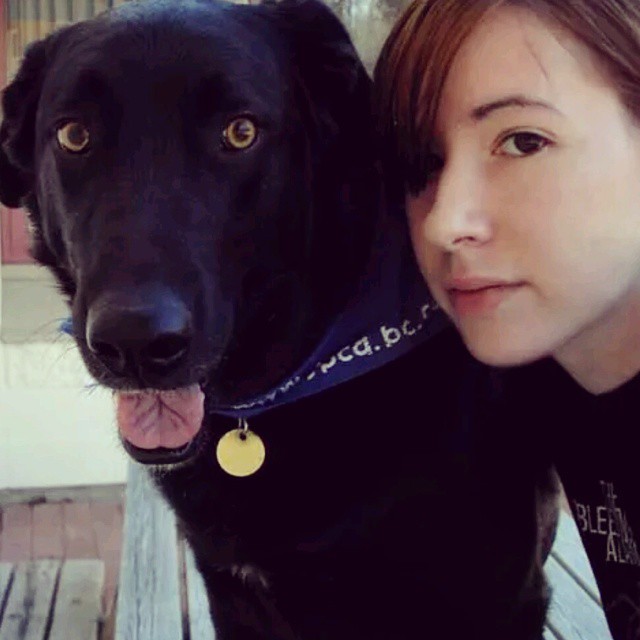
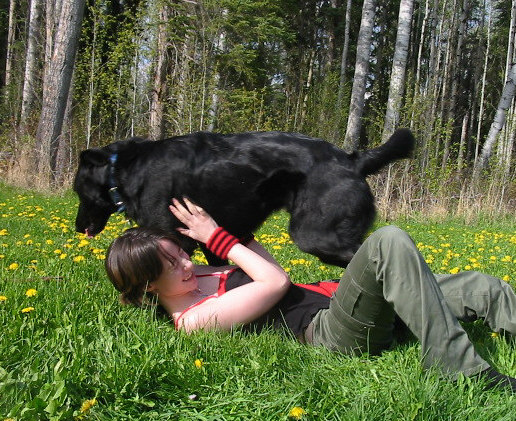
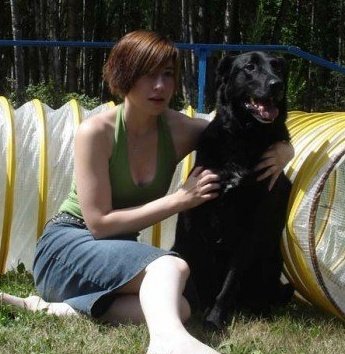
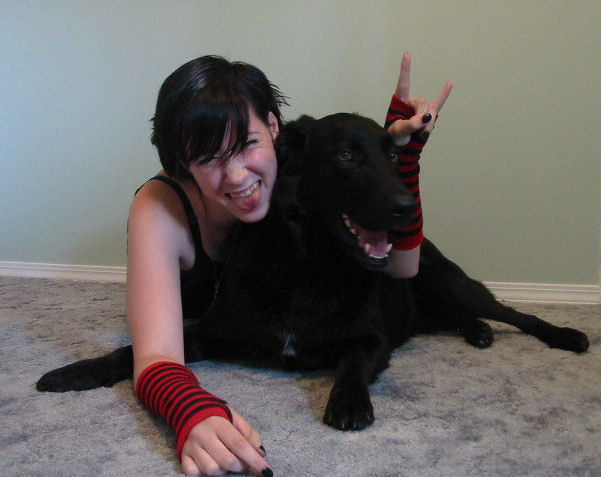
I dug up a lot of old photos of me and my dogs from my dog obsessed youth. I hope you enjoyed them.

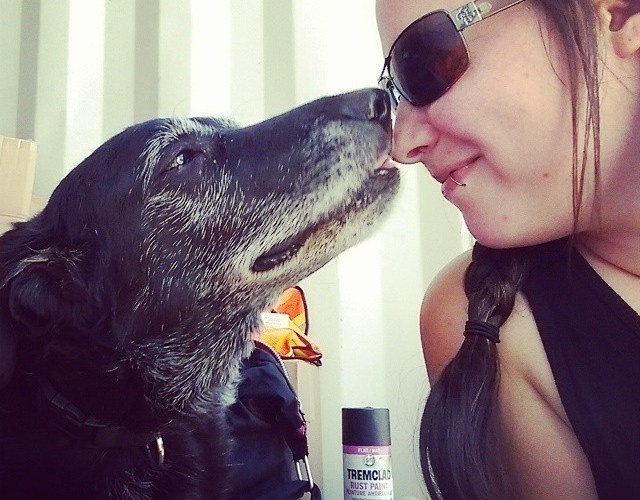
Patrol Unit 724, me and my old guy Coal

Price Changes

FSJ Dog Training, update

You will see some changes to my pricing and training sessions. I’ve added a mandatory over-the-phone consultation for $40. This is a flat rate, regardless of how much time we spend talking. I will take time asking you questions about your dog and your goals for your dog. Just as every person is different every dog is different too. It’s important that your training reflects what your dog is capable of and their unique ways of learning as well as it keeps in mind your unique goals for your dog. Everyone has different expectations out of training and I want to help make sure that I am meeting those expectations.

I also got tired of consulting people for free, only to have them no-show or not book at all. This way, I am at least being somewhat compensated for my time. I spend a lot of time curating the perfect training package for you and your dog. No two training sessions are the same. I take into consideration what your dog already knows, what your goals are for your dog, and how your dog will best learn. I take time writing and printing articles for you to take home because I know it’s an overwhelming amount of information I will give you in just one hour.

I am still offering 3 different types of training sessions that all look basically the same still, but what used to be referred to as a “consultation” is now a “problem behaviors” session. I’ve adjusted the prices of these sessions based on my experiences so far to fairly compensate myself, as well as they’ve been adjusted to consider the mandatory price of the phone consultation.

To schedule an over-the-phone consultation you must contact me. My availability for a phone call is much more flexible than my availability for a 1-hour session. Phone consultations are scheduled around my training session availability. I am still available Tuesdays at 11am and 1pm for training sessions in Fort St. James and Saturdays at 12:15pm for training sessions in Vanderhoof (until December 16th).

I hope that this new method of conducting business will make it more fair to myself and the time I commit to each client, as well as more beneficial to each of my clients.

As always, if you have any questions please don’t hesitate to contact me.

The Most Emotional Pack in the Park

Dog Blog, Pack in the Park

Today I experienced my most emotional Pack in the Park yet. My biggest fear when hosting these things happened today. Part of what makes Pack in the Park successful is being able to do it in a public space where there are people, dogs (preferably leashed) and traffic. Most dogs need to have more exposure in these environments. It’s why we do Pack in the Park: to get that exposure in a way that is as controlled as we can make it. Of course, I have no control over the other people frequenting the park with their dogs.

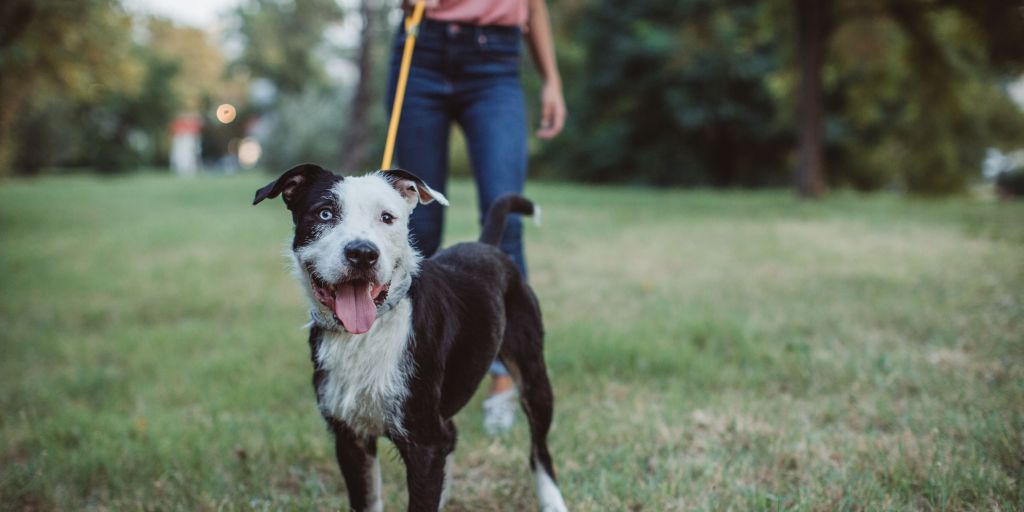
So far, it hasn’t been a problem. When an off leash dog is nearby they’ve either been under control of the owner or they’ll run off when I yell at them. Usually owners apologize and grab their dogs. Today was the first time I had an owner walking by with an off leash dog that outright refused to leash her dog.

Today’s Pack in the Park had only one owner and dog. It rained heavily this morning and I think that kept most people away, but it had cleared off just enough and for just long enough for us to meet at the park. The owner told me her dog’s incredible story. She was born blind and spent most of her life blind until quite recently when the owner was able to fundraise enough to get her dog the surgery she needed to 100% restore her sight. Can you imagine being blind and then suddenly regaining your sight? Everything would be so overwhelming. She was a bit of a skittish dog who you can tell was overwhelmed easily and certain things (like a person reaching to pet her head) really freaked her out because they were brand new experiences to her. To keep with the anonymity of my blog, let’s call them Jackie (person) and Skye (dog).

I was enjoying the one-on-one with Jackie and getting to know her and her beautiful dog when I saw an off leash dog with a person walking by near the beach. The dog began to approach, so I tried to chase it off. This was not successful at all and frustrated, I called after the owner to leash their dog. It took me a while to realize I knew these two, as she was a ways off and I work with a variety of dogs all the time, it’s hard to always remember them and their owners. She was someone who I had worked with before I began charging for it. She was someone I really liked and I really liked her dog and their story. In the moment though, I was just mad and frustrated.

I used to have a dog aggressive dog in the past. Many times I experienced off leash dogs approaching my dog, I would ask the owners to leash their dog and they’d tell me “oh don’t worry, he’s friendly”. But the problem was, my dog wasn’t friendly. If a fight broke out my dog was the one who would start it. I’d shout back “my dog isn’t friendly!” and 9/10 the owner just didn’t make the connection or understand why I was so upset about their “friendly” dog. I think a lot of my emotional reaction stemmed from those experiences.

The owner got close enough we could speak face-to-face and we exchanged heated words back and forth. Neither person feeling heard or understood with a huge difference in views on the situation. Meanwhile, her dog (let’s call the human Lilly and the dog Fido) was approaching Jackie with our two dogs. Jackie had offered to hold Zelda while I exchanged words with Lilly, and I trusted in that moment that Jackie could handle both dogs as well as that the dogs would get along well enough for her to hold onto both of them. I quickly made that judgement call when I handed her Zelda. Which honestly, thinking back on it, I was putting a huge amount of trust in Jackie, whom I’d pretty well JUST met. We had chatted a bit on messenger before but this was the first time we met in person. I don’t trust my dog with just anyone, especially in a situation such as this. So when I looked over and saw Fido approaching them, my heart jumped. I didn’t want to see anyone get hurt or lasting trauma to any of the dogs.

I ran back to Jackie and the dogs and shoo’d Fido away. For those unaware, I injured my right foot back in June and it’s been a problem ever since. So running after this dog in my husband’s sandals that are way too big for me (because my foot is so swollen I can’t fit it into my shoe) definitely had my foot hurting for the rest of the day. I got Fido to return to his owner and she agreed to talk to me and I agreed to talk to her but only if she put Fido on a leash. She agreed, leashed Fido, and burst into tears. She explained that Fido gets aggressive with other dogs when he’s on leash but not when he’s off leash, and that she wants him to make doggy friends. I tried to explain that Pack in the Park is totally perfect for him then, except he HAS to be on leash and can’t meet the dogs nose-to-nose. I invited her to join us but she told me, “I can’t afford it” to which I replied “it’s free!”. I explained Skye’s situation and that she could be overwhelmed by Fido approaching her. Lilly told me “I had no idea! Why didn’t you say that?” and I told her, “well that’s kind of hard to shout across the park”. We hugged, apologized to each other and Lilly asked me to apologize to Jackie for her, I said come over and talk to her. So she did, she apologized to Jackie herself. I took Zelda back from Jackie and we stood about 6 feet away from each other and discussed the situation. We explained to Lilly that you don’t always know a dog’s story and while you have good intentions with your dog not all dogs feel comfortable with that. “I think the important thing to learn from this is consent,” said Jackie, and I agreed. It’s important to ask the owner if it’s okay for your dog to approach. We also talked about the motives behind our emotional reactions, I explained that I think I may have jumped into panic mode because of my previous experiences with my unfriendly dog. We even talked about key animal control issues in our town and the solutions we’d like to see. By the end of it I told Lilly “look at Fido, look at how relaxed and chill he is. He’s on leash, around other dogs and he’s just chill. This is exactly what he needs.”

Lilly was very thankful and apologized more before she left. I asked her to come to the next Pack in the Park (with Fido on leash) and gave her one of my pamphlets to help her understand a little more what it’s all about.

In a lot of ways, it was a very humbling experience. My anxiety got the best of me at the start. My panic made me respond irrationally and I forgot to use my most generous interpretation. I didn’t recognize Lilly and Fido at first, but regardless, I should be treating all people the same way. You just really don’t know everyone’s situation and I think that, and consent, were the big takeaways from this morning’s experience.

The lesson here that I want all dog owners reading this to walk away with is also that you don’t need face-to-face interactions for your dog to get a lot of social experiences. If you have a dog who needs work on leash then you need to put the work in on leash. If you have a dog who needs more expose, whether it’s with dogs, people or whatever, then you need to get out there and expose your dog but do it slowly and in a stress-free way. We want our dogs to have positive associations with these experiences. We want them to see that it’s no big deal if there’s another dog over there in the park (on or off leash). They don’t NEED to run up to them and meet them. They don’t NEED to play with them. If you want a dog who is comfortable with NOT running up to others then you need to teach them that it’s totally cool if they don’t meet someone. If you want a calm, confident dog then you need to expose them in a way that helps them feel calm and confident. Face-to-face interactions usually don’t create those feelings in most dogs.

When Pack in the Park was over, Jackie told me Zelda was very well behaved and is a well-trained dog. Hearing that was like the cherry on top of the whole experience. We were there for the dogs but I think all of the humans walked away with a lot of growth today.